



Rwanda strengthens environmental protection through waste separation and recycling.
The Government of Rwanda continues to position environmental protection at the center of national development by promoting responsible waste management, recycling initiative and public awareness campaigns aimed at building a cleaner and greener nation.
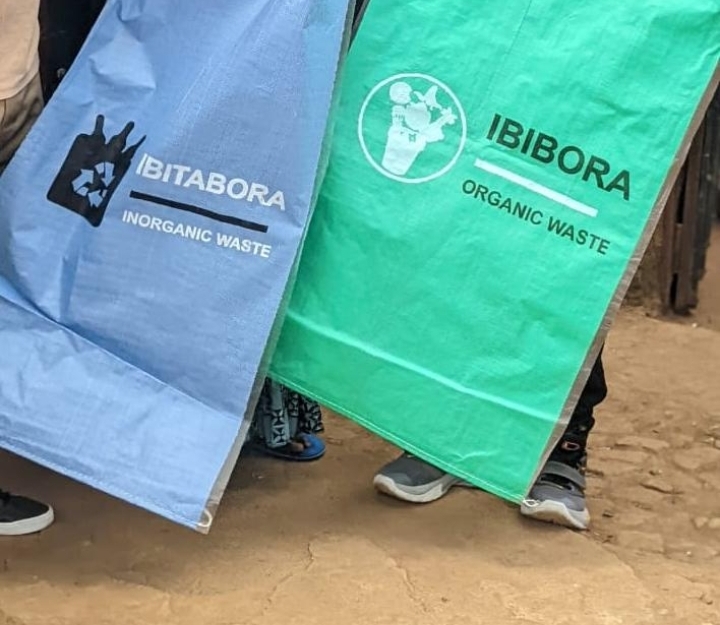
Across the country, citizens are increasingly encouraged to separate waste at household, institutional, and community levels. Organic waste, plastics, electronic waste, glass, metalsand other non biodegradable materials are now being sorted before disposal in order to reduce pollution and improve recycling efficiency.
This environmental approach is helping Rwanda minimize the harmful effects of poor waste disposal, while also creating economic opportunities through the recycling industry.
Encouraging citizens to sort waste
Rwanda’s environmental protection efforts strongly emphasize waste segregation at the source.
Communities are sensitized to separate
biodegradable waste such as food remains and agricultural residues,
plastic bottles, bags and containers,
electronic waste including old phones, computers, televisions, and batteries,
Glass and metallic materials.
Public awareness campaigns conducted through schools, local authorities, media outlets and community activities encourage citizens to understand that proper waste management is everyone’s responsibility.
Monthly community work activities such as Umuganda also play a key role in promoting cleanliness and environmental conservation across villages, towns and cities.
Tackling plastic pollution, Rwanda has become internationally recognized for its strong measures against plastic pollution.
The country was among the first in Africa to ban non biodegradable plastic bags, a move that significantly reduced plastic litter in urban and rural areas.
Today, plastic waste collection and recycling initiatives continue to grow. Recyclable plastics are collected, cleaned, processed and transformed into new products such as construction materials, reusable items and industrial products.
These initiatives help reduce environmental degradation while supporting green entrepreneurship and employment opportunities for young people.
Managing electronic waste responsibly
Electronic waste, commonly known as e-waste, has become one of the fastest growing environmental challenges worldwide. Rwanda has taken important steps to ensure that obsolete electronic devices are safely collected.
Old computers, mobile phones, televisions, batteries and other electronic devices contain hazardous substances that can contaminate soil and water if poorly disposed of.
Recycling as a Driver of Green Growth
Recycling is increasingly becoming an important pillar of Rwanda’s green economy strategy.
Recycling industries help reduce pressure on natural resources, decrease pollution and limit greenhouse gas emissions associated with waste burning and landfills.
As Rwanda advances toward sustainable development, waste separation and recycling are emerging not only as environmental necessities, but also as important foundations for a greener and more resilient future.
Rwanda For You