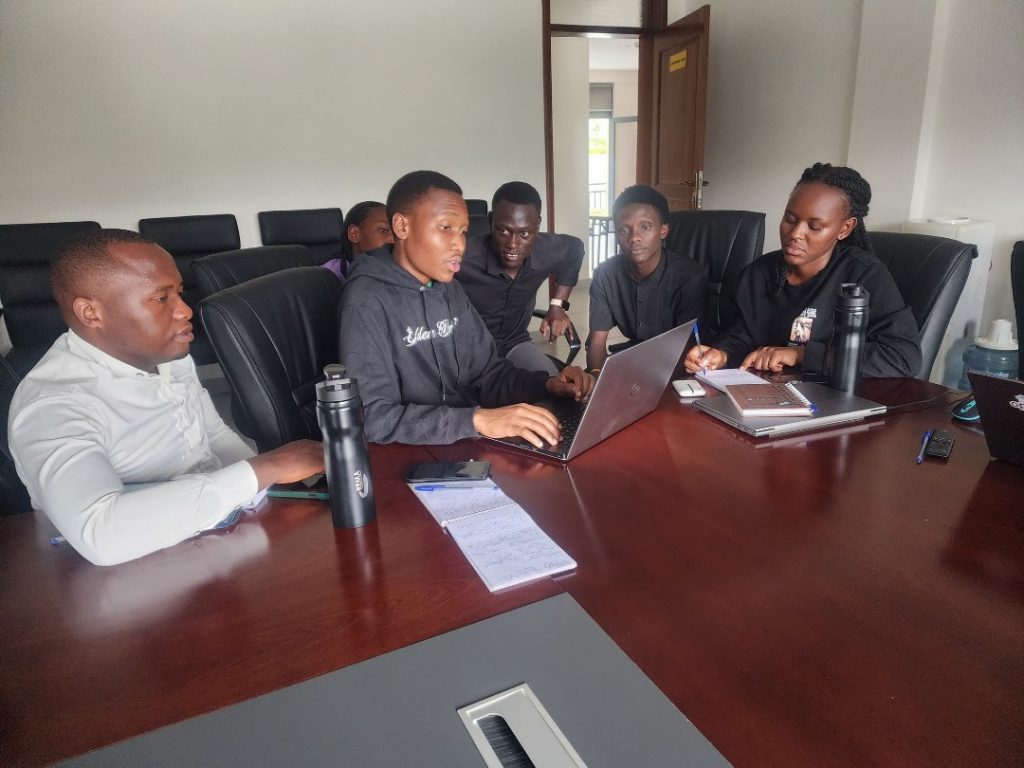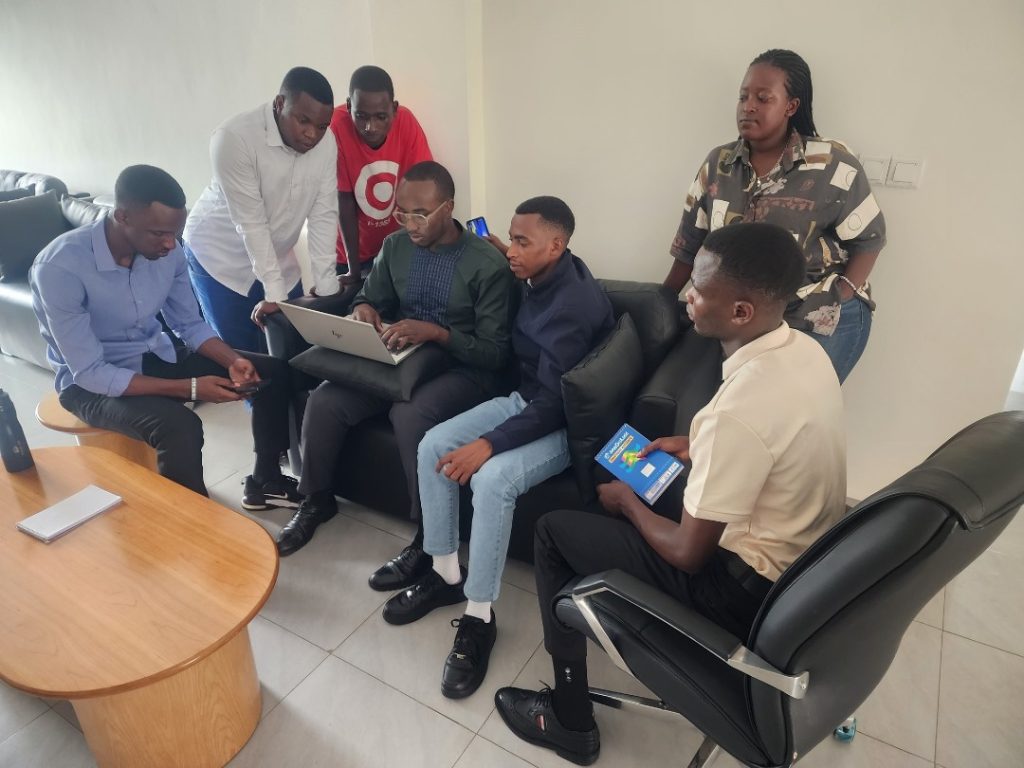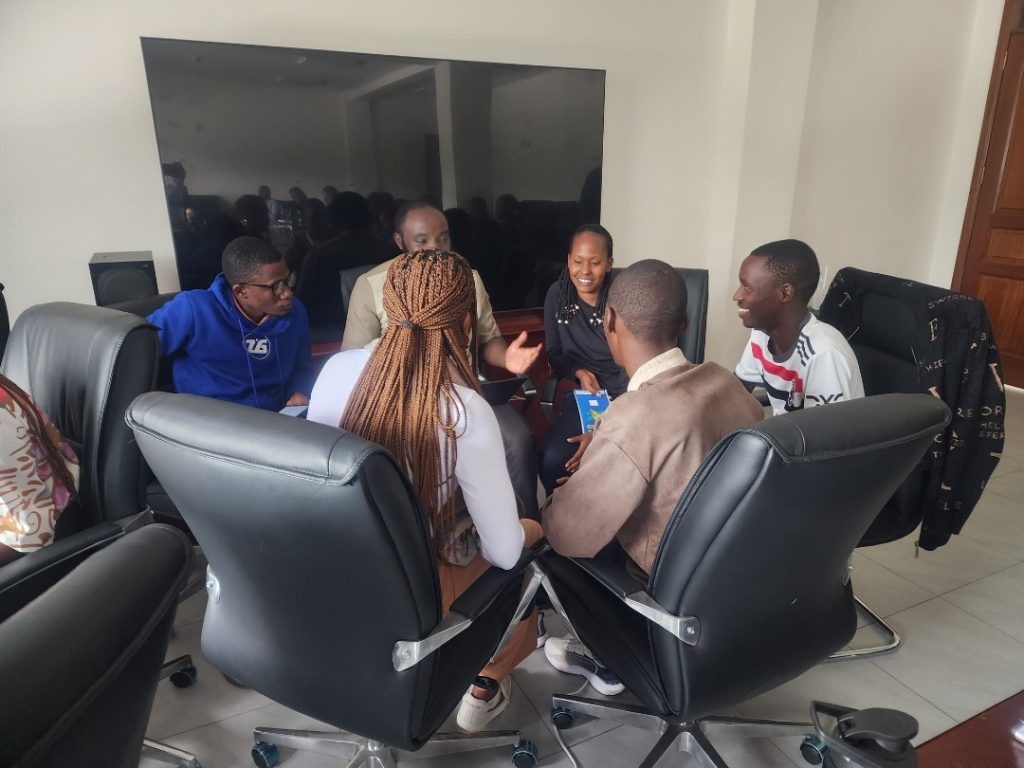


The Rwanda Environment Management Authority (REMA) has trained 34 environmental club representatives from 19 universities and higher learning institutions across Rwanda, in a program aimed at strengthening youth leadership in the fight against air pollution and in the protection of the ozone layer.
The two day training was designed to equip student leaders with practical knowledge and tools to spearhead clean air initiatives within their campuses and surrounding communities. Through expert-led sessions, participants gained deeper insights into the causes and impacts of air pollution, global and local trends, and strategies for promoting sustainable environmental practices.
Kayishema Christian, ECC Education Officer at REMA, commended the students’ commitment and highlighted Rwanda’s remarkable progress in environmental conservation and climate change mitigation, noting the country’s leadership role in sustainable development across Africa.
Air pollution: A historical and contemporary crisis
Keynote facilitator Pie Célestin Hakizimana, an environmental specialist in air quality management, emphasized that air pollution is not a new phenomenon.
“Even before the birth of Jesus Christ, human activities such as open-fire cooking, metal smelting, and mining were already affecting air quality. However, the Industrial Revolution marked a dramatic escalation, fueled by urbanization, mass production, and motorized transport,” he explained.
Hakizimana warned of the grave consequences today. According to the world health organization (WHO), 99% of the world’s population breathes unsafe air, with more than 7 million deaths annually linked to air pollution-related illnesses. In Rwanda, air pollution has been ranked the second leading cause of preventable deaths between 2011 and 2021.
“It does not require extraordinary strength or exceptional ability, but rather determination—starting from where you are,” he urged, encouraging participants to launch campus-led preservation campaigns, tree-planting drives, community clean-ups, and research initiatives to propose innovative solutions.
Students, the training was a turning point: Bardine Iratuzi (Institut Catholique de Kabgayi – ICK): “I gained valuable knowledge on the causes and impacts of air pollution, the importance of monitoring air quality, and practical measures to promote clean and healthy air. The training also gave me an opportunity to exchange ideas with experts and peers. I left motivated to raise awareness and apply the lessons in both my personal and professional life.”
Umugwaneza Diane (East African University Rwanda – EAUR): “This training has inspired us to take action in our institutions and communities. As students, we must actively contribute to Rwanda’s vision of building a sustainable and resilient future.”
Hategekimana Eric (University of Tourism, Technology and Business Studies – UTB): “I am deeply grateful to REMA for imparting this valuable knowledge. I recommend that similar training sessions be organized more frequently to continuously strengthen the capacity of young environmental leaders.”
A Commitment to Youth Leadership
As the training concluded, REMA reaffirmed its strong commitment to supporting youth-led environmental action. The institution pledged to continue working hand in hand with universities, civil society organizations, and other stakeholders to accelerate Rwanda’s progress toward a cleaner, healthier, and more resilient future.
Patrik Niyonkuru