
The One Health Approach for Conservation (OHAC) – Gorilla Health, together with others partners, proudly joins in celebrating the collective efforts behind the sustainable conservation of mountain gorillas and wildlife, both regionally and nationally. This celebration is a powerful reminder of what collaboration and long-term commitment to conservation can achieve.
On September 5, 2025, we take a moment to honor the incredible growth of the Virunga mountain gorilla population and recognize the vital efforts of the Rwanda Development Board (RDB), the staff of Volcanoes National Park, and all conservation partners. This occasion serves to reflect on decades of dedicated work, during which the mountain gorilla population steadily rose from critically endangered status to endangered population of 604 mountain gorillas across 41 social groups (according to the 2016 census – gorillahealth.org).
From Extinction Threat to Conservation Success
At the start of the 21st century, many scientists predicted the extinction of mountain gorillas due to rampant poaching and habitat loss. However, with the emergence of gorilla tourism in the 1970s, a new path was forged — one that linked conservation with economic opportunity. Protecting these majestic creatures became a national priority, strengthened by increased public awareness and international support.
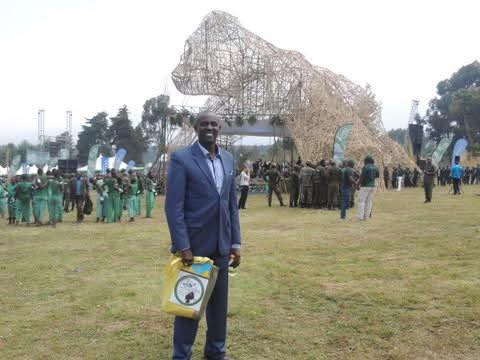
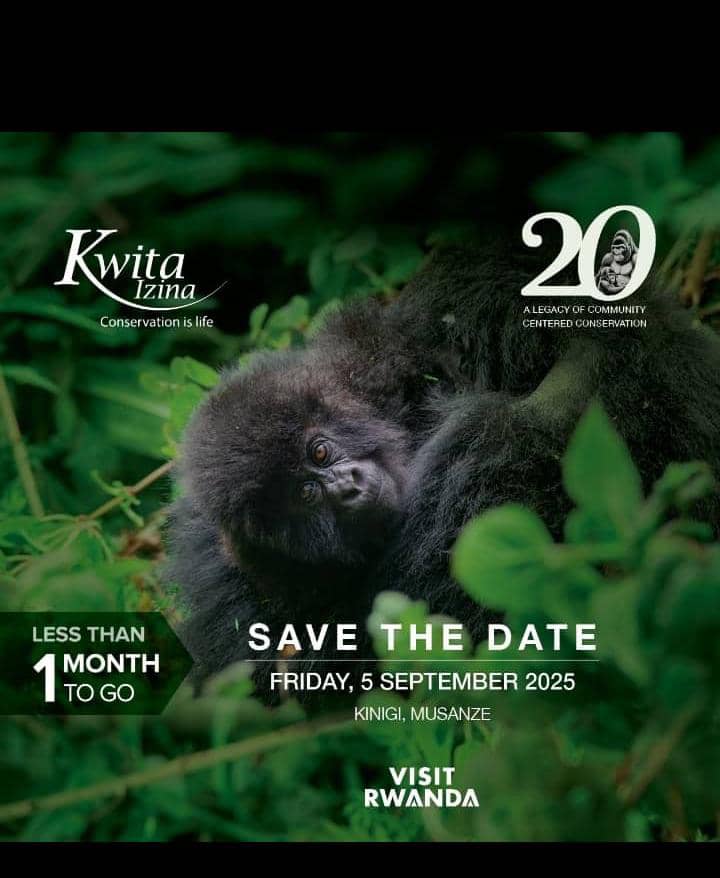
The Kwita Izina gorilla naming ceremony, officially launched by the Rwandan government i 2005, became a landmark in conservation history. Inspired by Rwanda’s tradition of naming newborns within families and communities, the ceremony became a global platform to celebrate conservation achievements.
As Dr. Jean Felix Kinani Sangwa, Founder and CEO of OHAC – Gorilla Health, explains:
“Before 2005, it was the park trackers who named the baby gorillas. But after extensive consultations with RDB leadership, especially under Rosette Rugamba, the idea was formalized and elevated to an international event.”
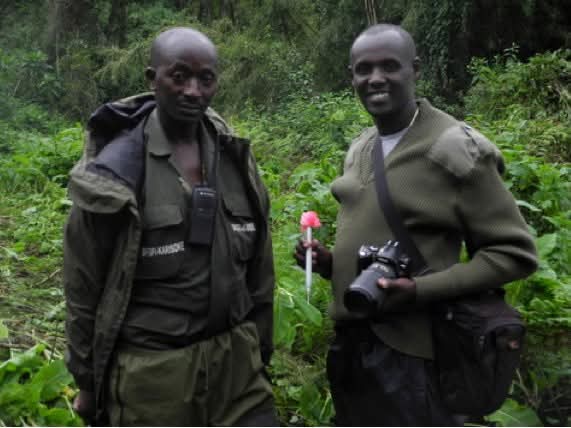
Since 2004, Dr. Jean Felix has worked tirelessly to protect mountain gorillas by providing daily care and train wildlife veterinarians, and mentor park trackers, caregivers, and young conservationists in Volcanoes, Akagera, and Nyungwe National Parks in Rwanda, as well as across DR Congo and Uganda.
Thanks to the critical work of our gorilla veterinarians—who provide life-saving medical care and implement a One Health approach—the mountain gorilla population in the Virunga Massif has increased by more than 60% for the past 4 decades. This remarkable recovery highlights the power of science and conservation in action, driven by the One Health model championed by our organization ‘’www.gorillahealth.org’’
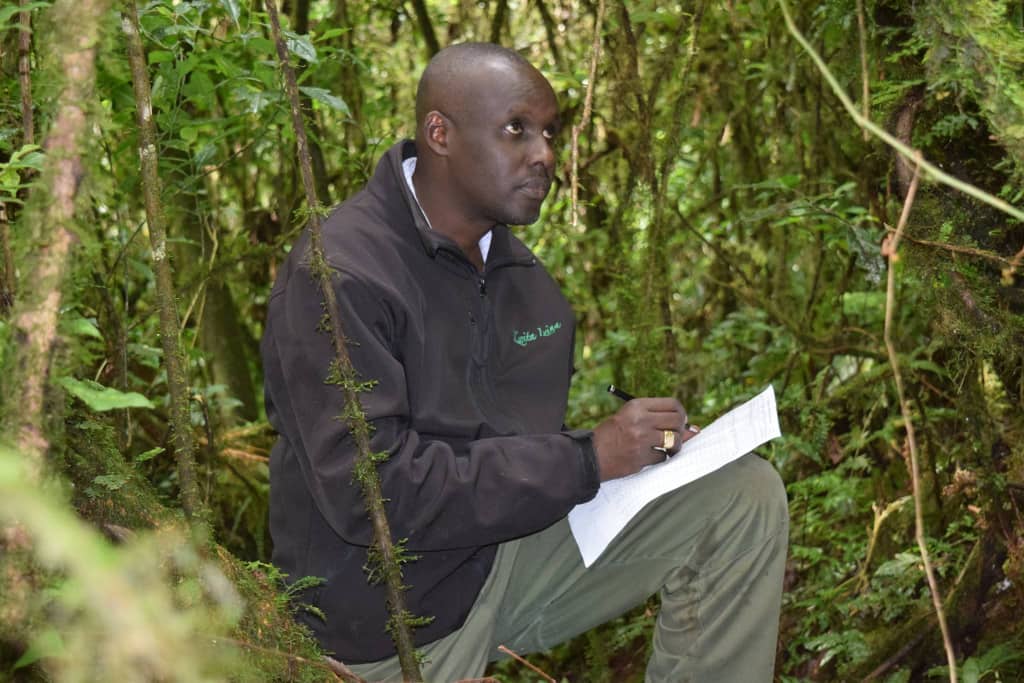
Dr. Kinani regularly monitors gorilla health, provides advice of medical interventions (such as treating respiratory outbreaks and injuries), leads field responses and contribute to research publications—activities deeply rooted in primatological practice.
Putting community in the central of conservation effort, the OHAC – Gorilla health initiated joint surveillance and control of diseases affecting both gorillas and humans. It plays a vital role in reducing the risk of zoonotic transmission between park personnel and mountain gorillas. This collaborative approach not only helps health professionals monitor and understand the incidence of potentially transmissible diseases but also strengthens conservation efforts by protecting both human and gorilla health under the One Health framework.
The Global Impact of Rwanda’s Conservation Leadership
The decision to elevate Kwita Izina into a national and international event was a game-changer. It drew global attention to Rwanda’s conservation model and inspired similar efforts across Africa. According to Dr. Jean Felix:
“The rise of gorilla tourism and our visionary leadership between 2000 and 2005 shifted priorities — conservation was no longer just about survival; it became a valuable economic and national asset.”
Looking Ahead: Kwita Izina 2025 and Beyond
During the 2025 Kwita Izina ceremony, we will name 40 , mountain gorilla babies, including those whose naming was postponed due to the cancellation of the 2024 edition. This event, broadcast globally, plays a key role in raising awareness about conservation and the urgent need to protect endangered wildlife.
While many hope to see baby gorillas live during the ceremony, it’s important to understand that baby gorillas remain within their protected habitat. To see mountain gorillas in the wild, visitors must be over 15 years old and have a permit from the Rwanda Development Board or an accredited tour agency. As part of the celebration, many project are initiated by RDB and schoolchildren often dress in gorilla costumes during the ceremony, symbolizing the connection between communities, youth, and wildlife.
Conservation Challenges and the Way Forward
Despite progress, challenges remain. Illegal wildlife trade continues to threaten endangered species globally. As someone who has rescued many baby gorillas from poachers in DR Congo, Dr. Jean Felix highlights the need to stay vigilant:
“We have seen a reduction in poaching especially for baby gorillas in DRCongo since 2022, but this trend must continue. Ending wildlife trafficking requires political will and strong partnerships across borders.”
Dr. Jean Félix Kinani is a renowned wildlife veterinarian and field primatologist, best known for documenting the first recorded tool use in wild mountain gorillas and first observation of mountain gorillas drinking water in Volcanoes National Park. As previously, he led the mountain gorilla veterinary program in the Volcanoes National Park (VNP), he is the founder of the One Health Approach for Conservation (OHAC) – Gorilla Health, he integrates veterinary science, primatological research, and conservation leadership through a multidisciplinary One Health approach to protect primates—especially mountain gorillas.
To ensure sustainable conservation, we must contribute and support our country as champion by the OHAC – Gorilla Health organization by:
- Strengthen community engagement through livelihood programs
- Invest in ecotourism training for those living around protected areas
- Integrate ecosystem value into Rwanda’s sustainable development goals
- Expand the use of technology for gorilla research and veterinary care
- Promote regional coordination and transboundary cooperation
Visit Rwanda: See the Mountain Gorillas in Their Natural Habitat
We warmly welcome all wildlife enthusiasts and conservation supporters to visit Rwanda — one of the few places on earth where you can encounter mountain gorillas in the wild. Protected by well-trained rangers and supported by a world-class conservation framework, these animals are a living symbol of hope, resilience, and what can be achieved through unity and care.
Please join us. And together with the OHAC – Gorilla Health, through science, tradition, tourism, and community engagement, we continue to protect the future of one of the world’s most iconic species.
By Dr Jean Felix Kinani Sangwa
One Health Approach for Conservation (OHAC) – Gorilla Health
For more information or if you would like to make a donation, we greatly appreciate it.
You can contact our organization via by email: info@gorillahealth.org/ ohac2004@gmail.com
www.gorillahealth.org – Tel: 0788640986