



As the world confronts the escalating effects of climate change, eco-friendly architecture is emerging as a powerful and practical solution for building a safer and more sustainable future.
In Rwanda, this approach has gone beyond theory reshaping neighborhoods, cities, and communities through innovative, environmentally conscious design.
Eco-friendly architecture refers to construction practices that prioritize environmental sustainability.
It involves the use of recyclable or locally sourced materials, clean energy such as solar power and geothermal heat, rainwater harvesting systems, low-impact waste management and architectural designs that maximize natural ventilation and lighting.
This architectural philosophy is proving vital in the global response to climate change.
Green building help to reduce gas emission
Green buildings help no reduce greenhouse gas emissions, regulate indoor temperatures efficiently without heavy energy consumption, and minimize the urban heat island effect through reflective or heat-absorbing materials.
Beyond reducing emissions, eco-friendly structures also preserve soil integrity, protect biodiversity and promote long-term human health and ecological resilience.
Rwanda’s Leadership in Green Construction
The Government of Rwanda has made substantial progress in promoting sustainable building through initiatives like the Rwanda Green Building Minimum Compliance System.
Kigali City is at the forefront, encouraging developers, investors and residents to embrace environmentally sound urban planning.
Emma Claudine Ntirenganya Director General in charge of Communication &Community Education in Kigali City, explain that Kigali is positioning itself as a regional leader in sustainable urban development through its commitment to green construction. ” The city’s approach includes environmentally conscious planning, building regulations, and flagship projects aimed at reducing carbon emissions and promoting climate resilience.
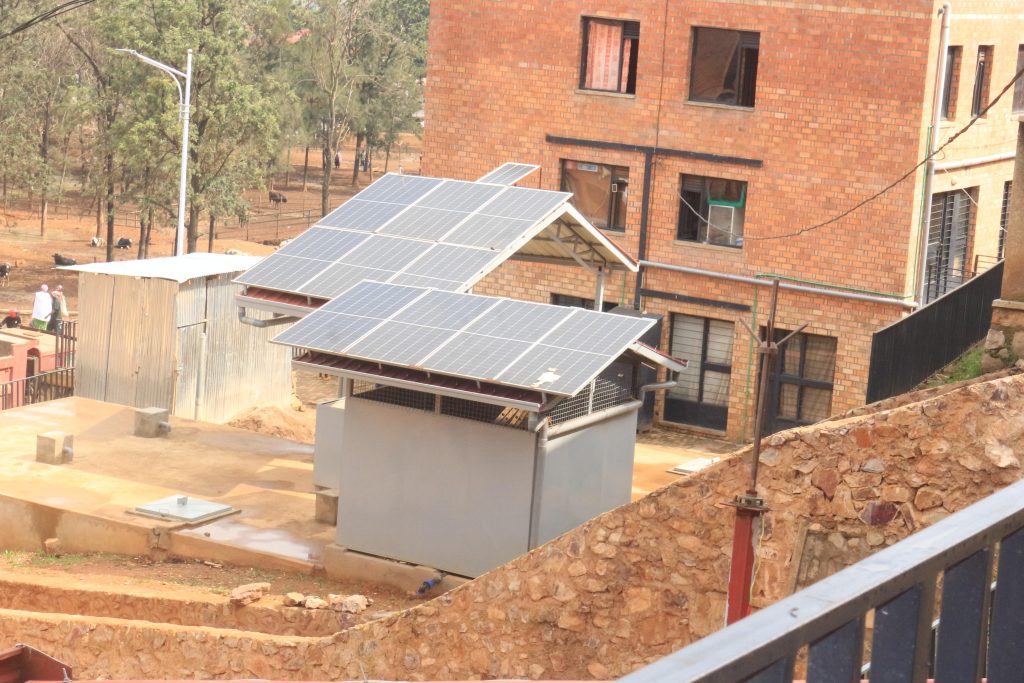
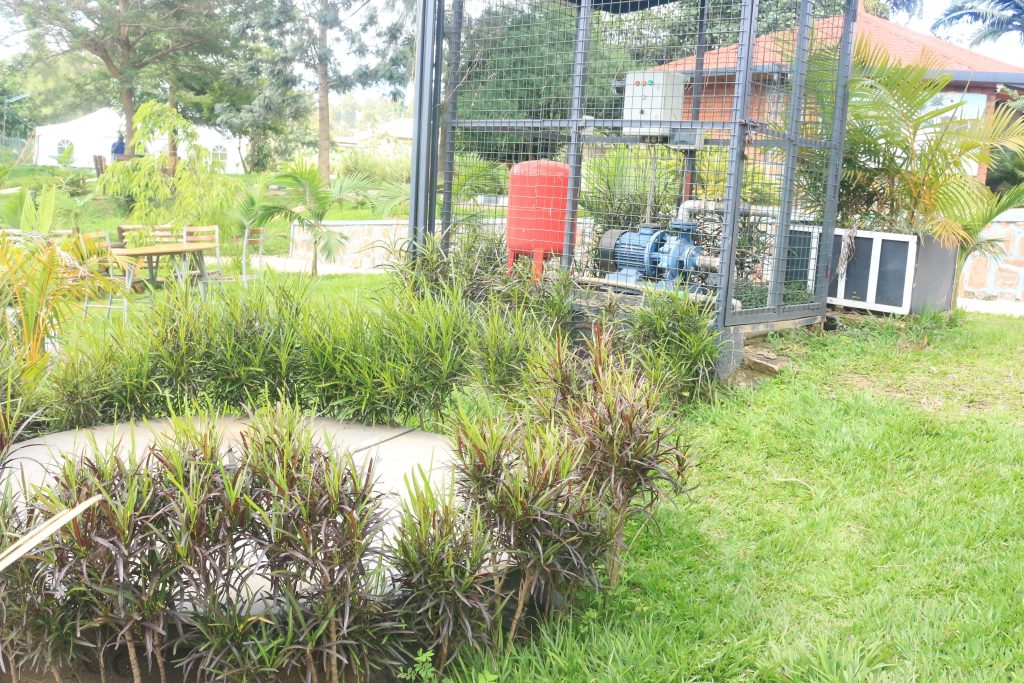
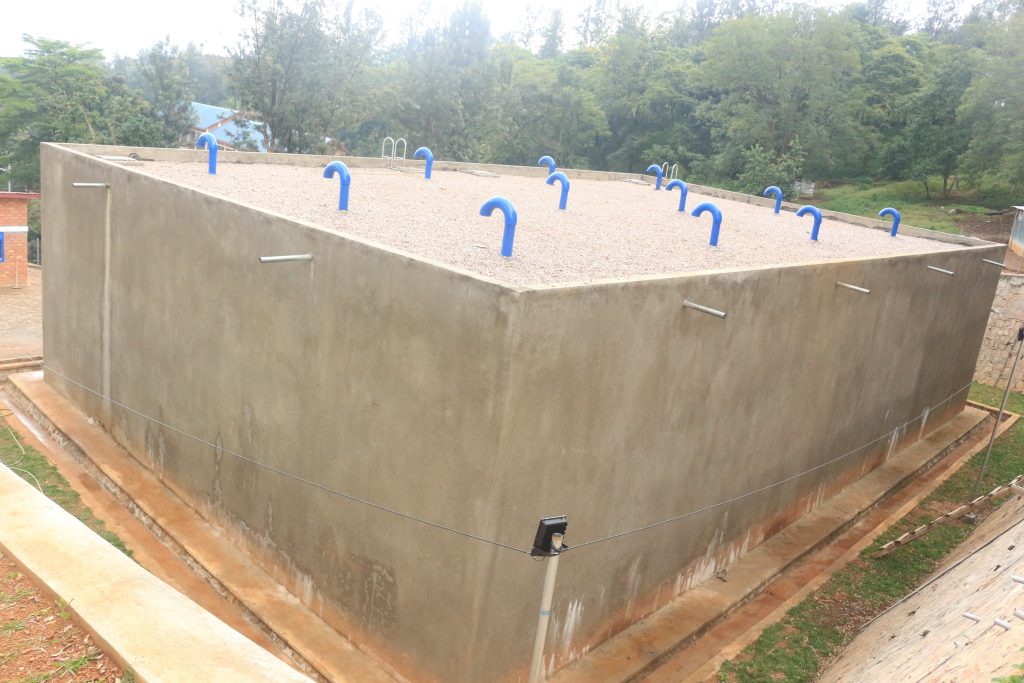
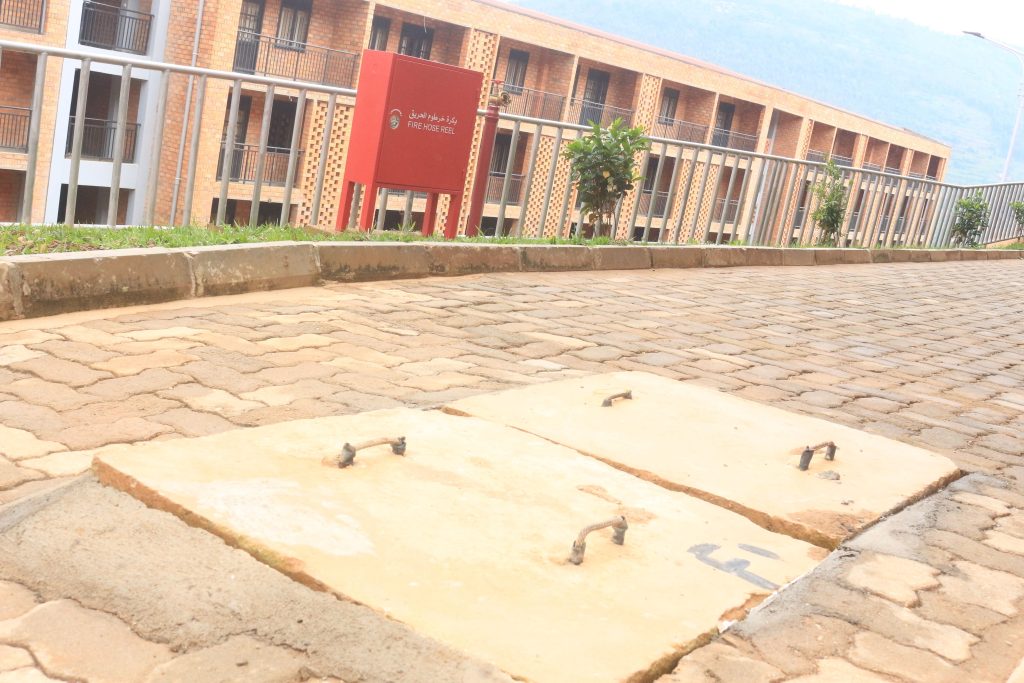
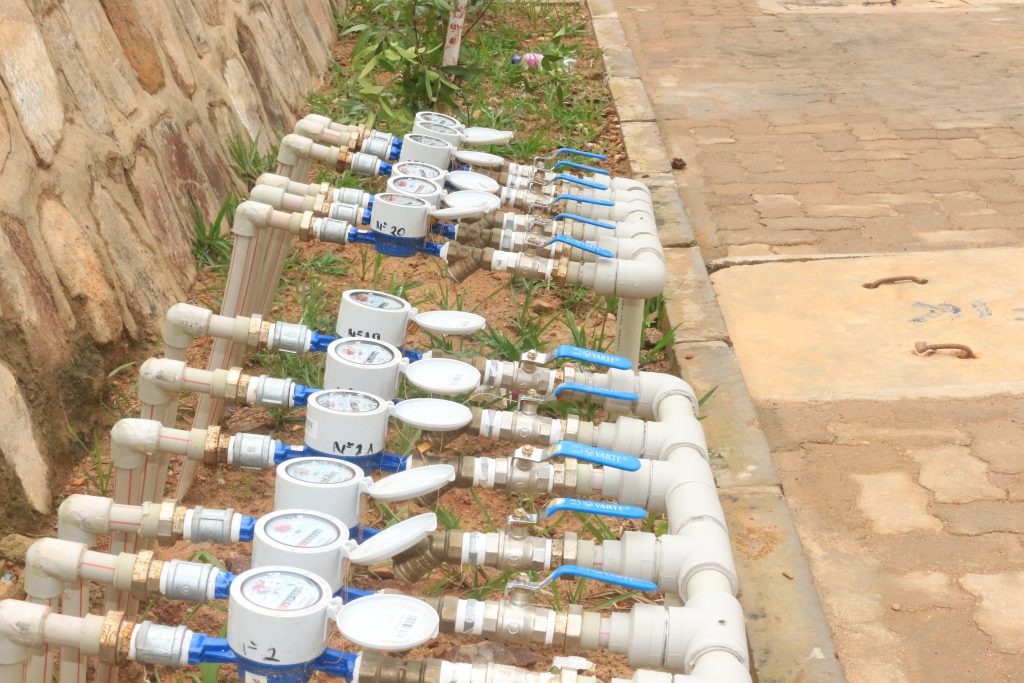
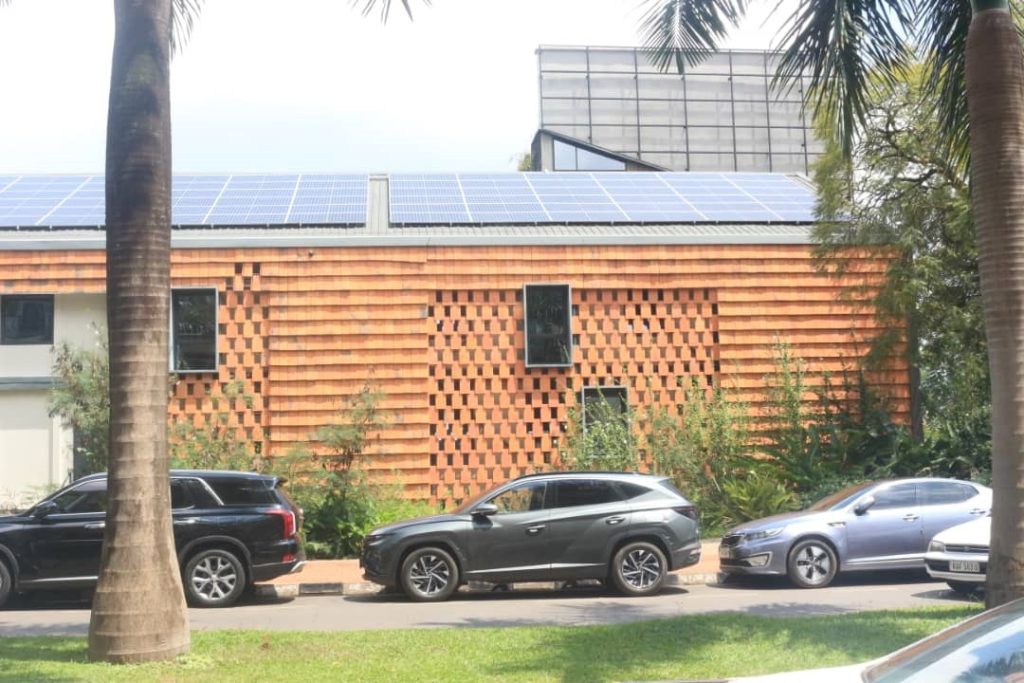
One of the most notable initiatives is the Green City Kigali Project, currently underway in Kinyinya, Gasabo District. This model neighbourhood integrates green building standards, renewable energy systems such as solar panels, water harvesting techniques, and smart waste management infrastructure. The project demonstrates how affordable housing can also be environmentally sustainable, using locally sourced materials and designs adapted to the Rwandan climate.”
The city takes into consideration eco-friendly approach when also building model villages.
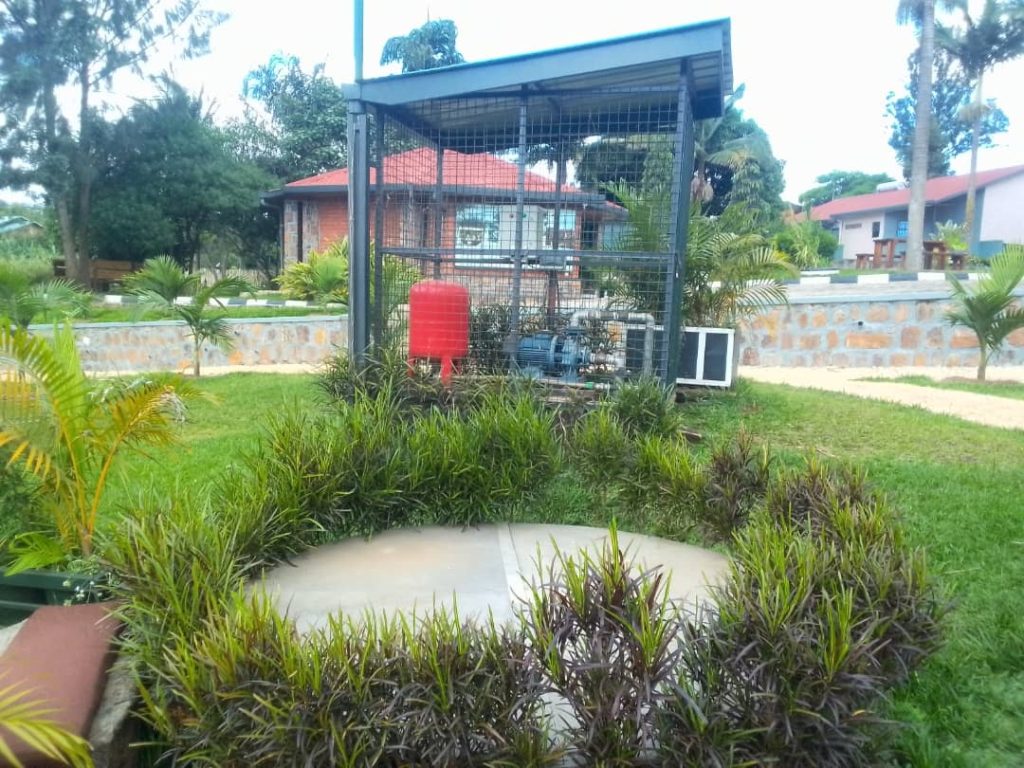
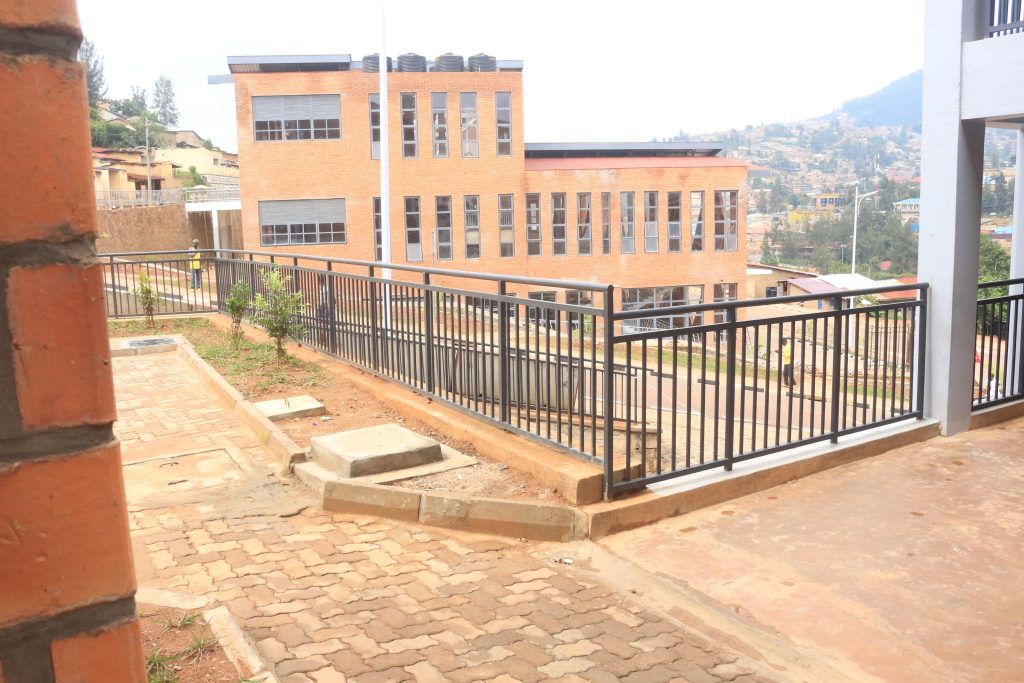
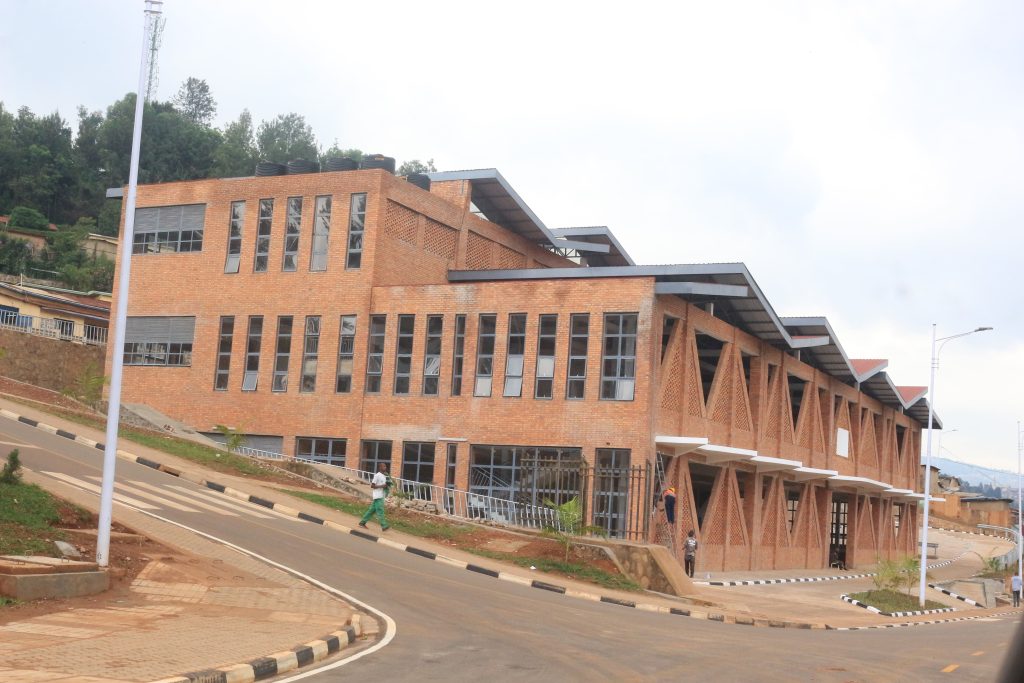
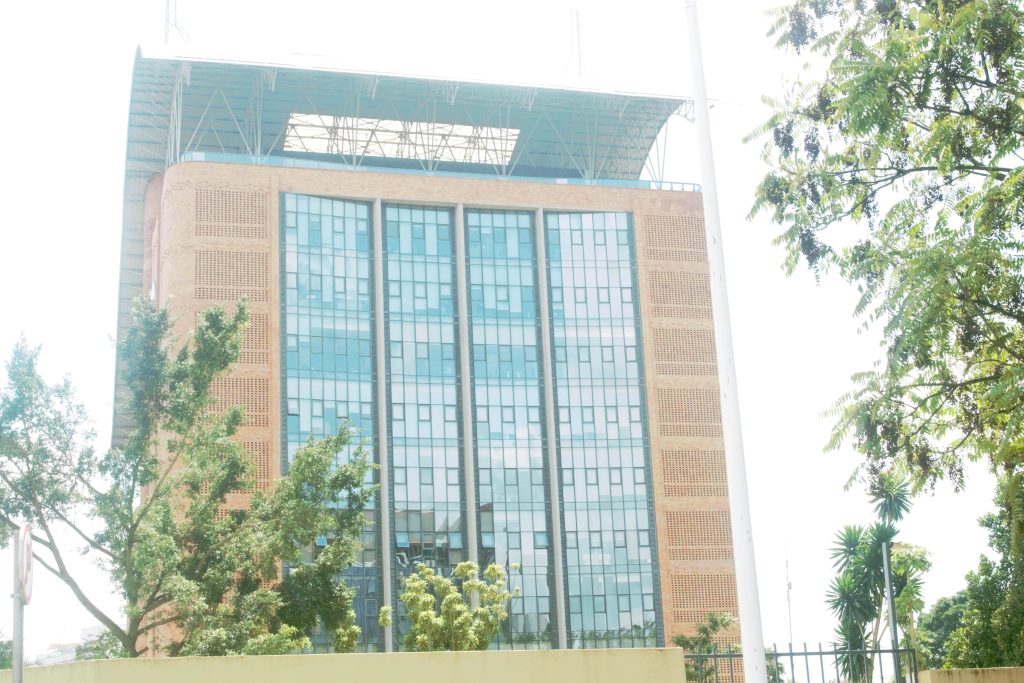
Today, developers are encouraged to adopt energy-efficient materials, optimise natural ventilation and lighting, and include green roofs or tree cover in new constructions. Public infrastructure, such as schools, bus terminals, and administrative buildings, are increasingly designed with sustainability in mind.
For citizens and construction entrepreneurs in Kigali, now is the time to embrace and lead Kigali’s green transformation. Whether you are building a home or starting a construction business, consider incorporating sustainable practices, such as using eco-friendly materials, investing in energy-saving technologies, or partnering with green-certified architects and engineers.
By building green today, we build a more resilient, healthy, and prosperous Kigali for generations to come.”
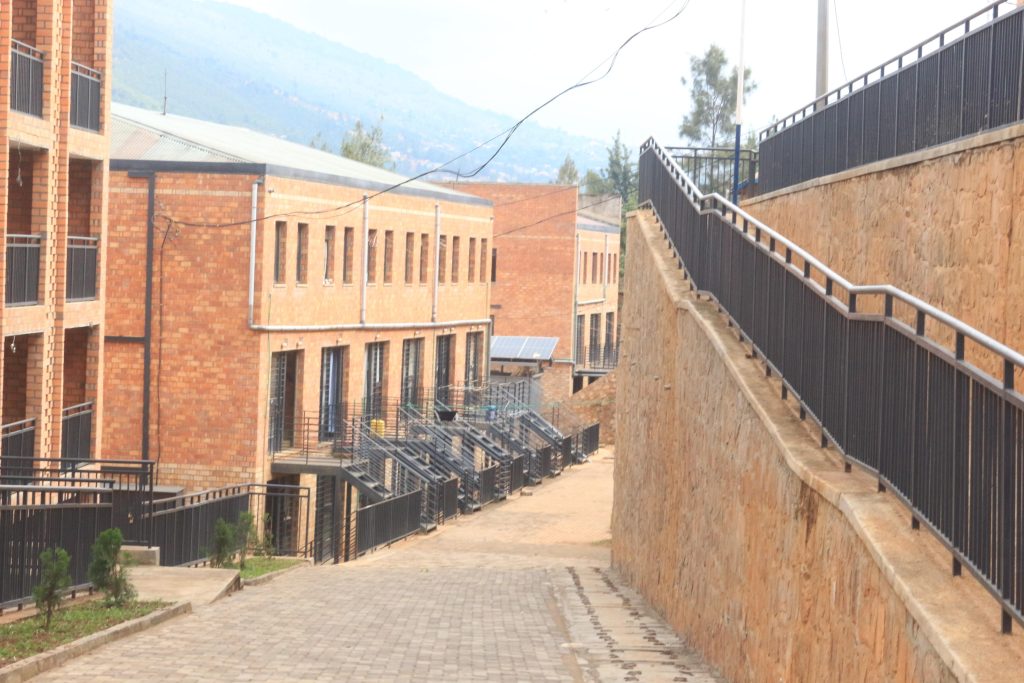
A striking example of this vision in action is the transformation of the Cyahafi-Mpazi neighborhood in Kigali.
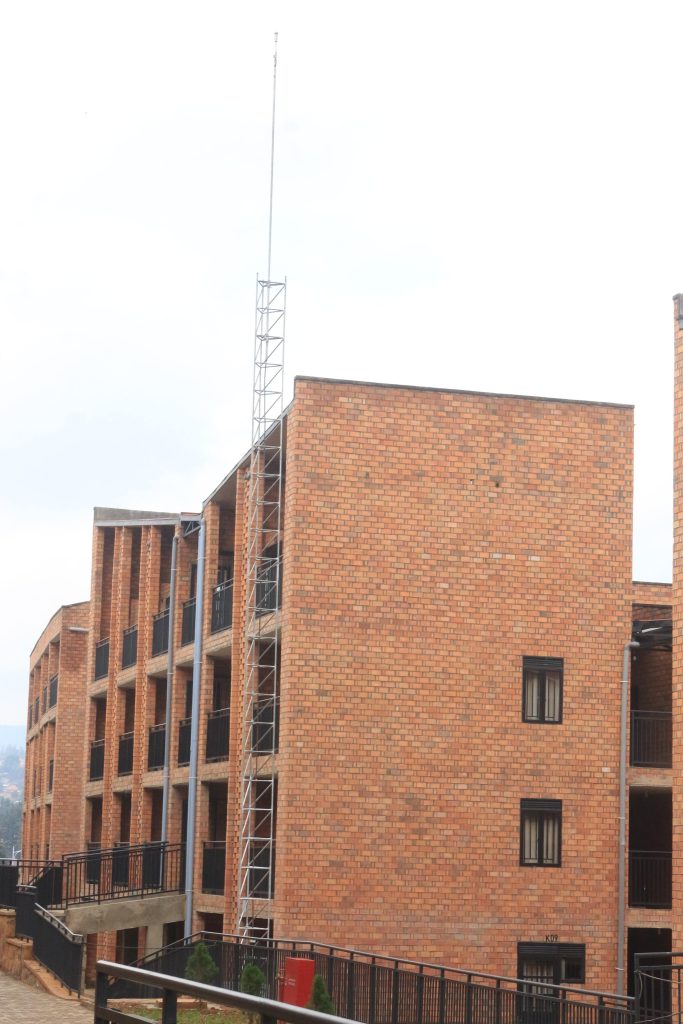
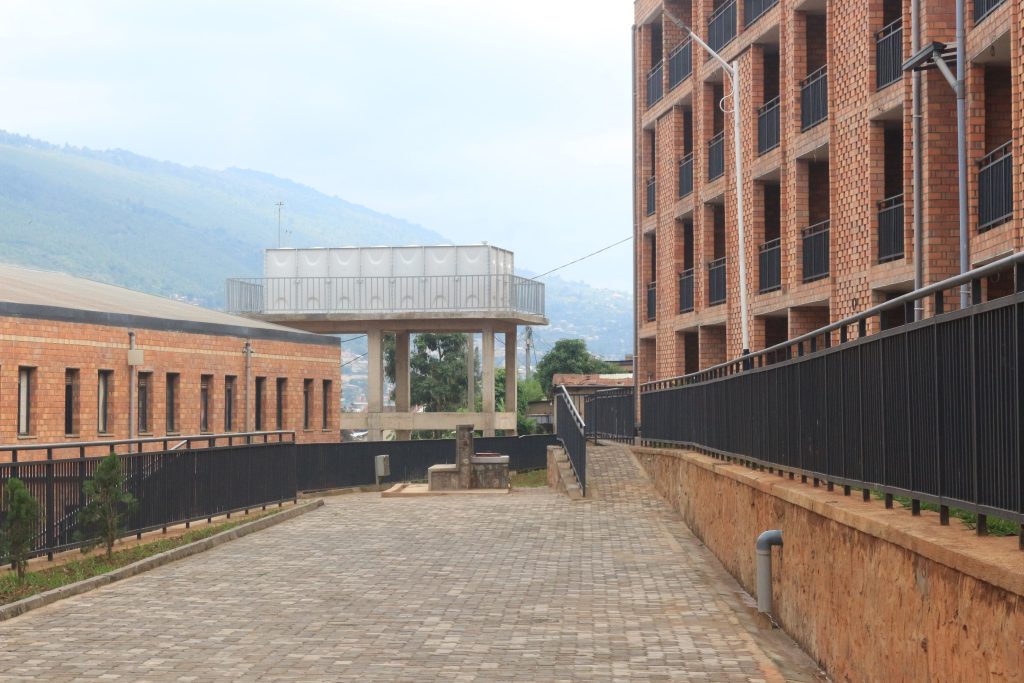
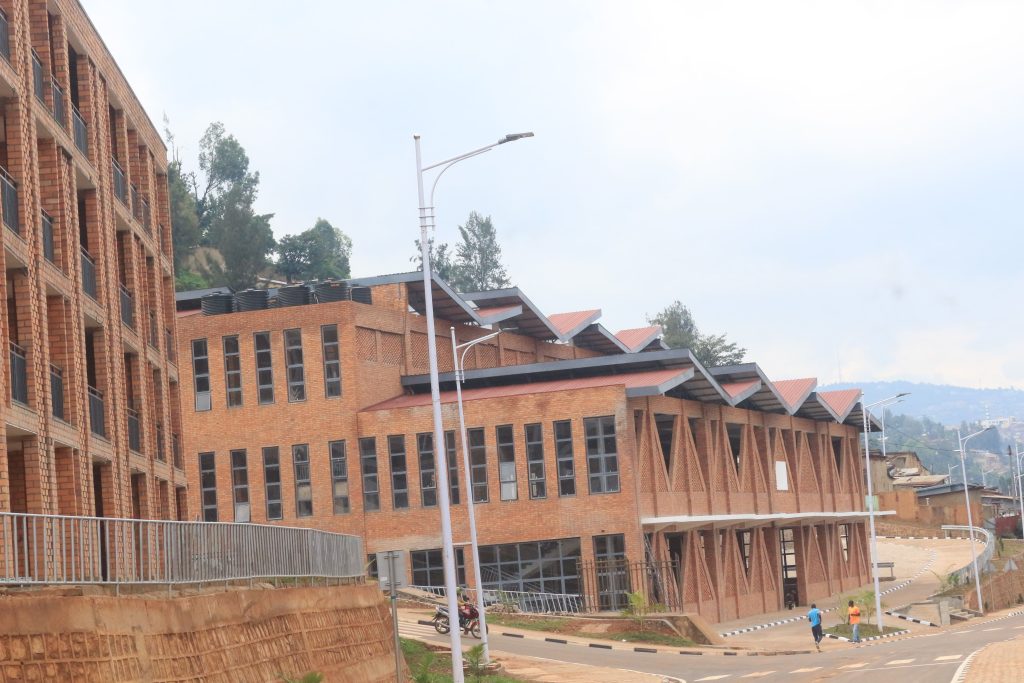
Formerly composed of aging housing, the area now boasts green model homes featuring vegetation-covered rooftops,clay brick walls with minimal environmental impact, rainwater collection systems with filtration, and efficient waste disposal.
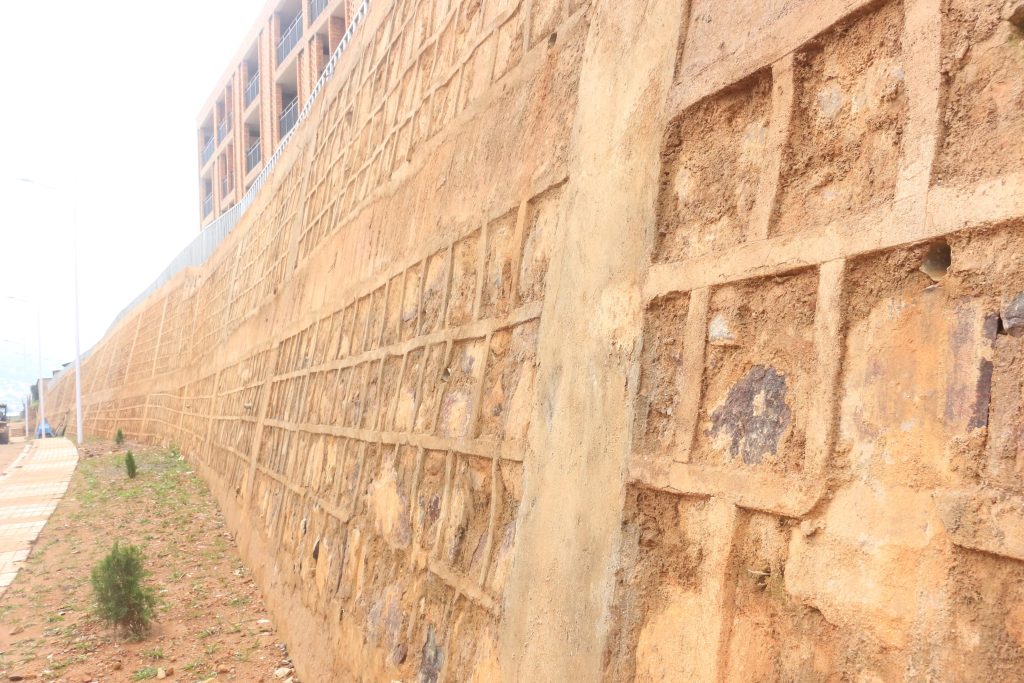
These new developments are surrounded by green spaces that enhance air quality and beauty, with retaining walls in place to prevent erosion and flooding.
Highlighting Rwanda’s Green Building Models
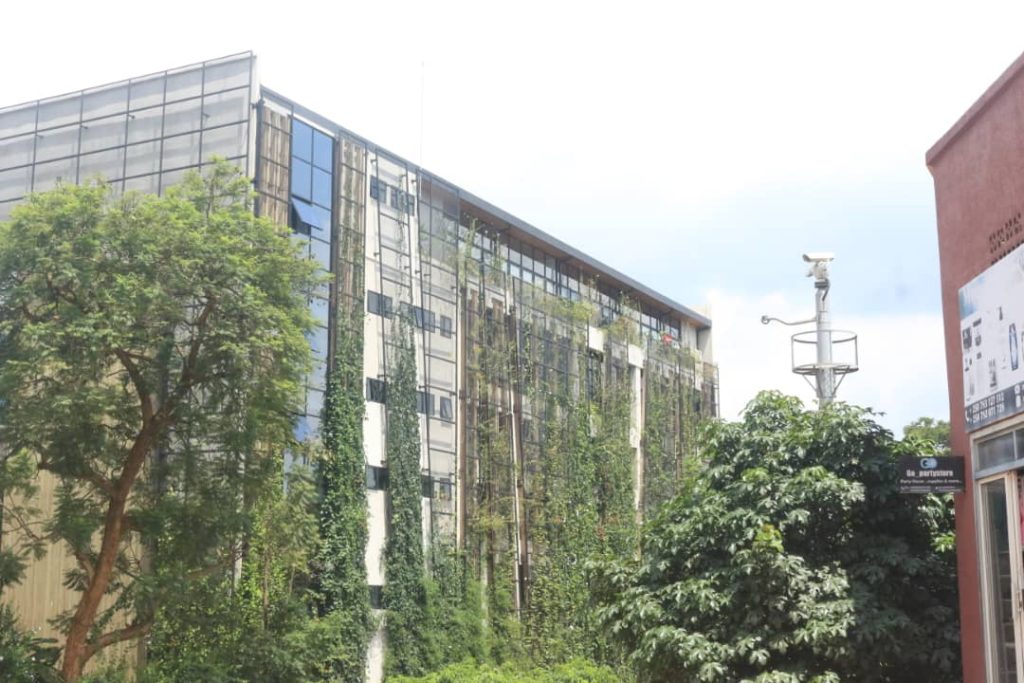
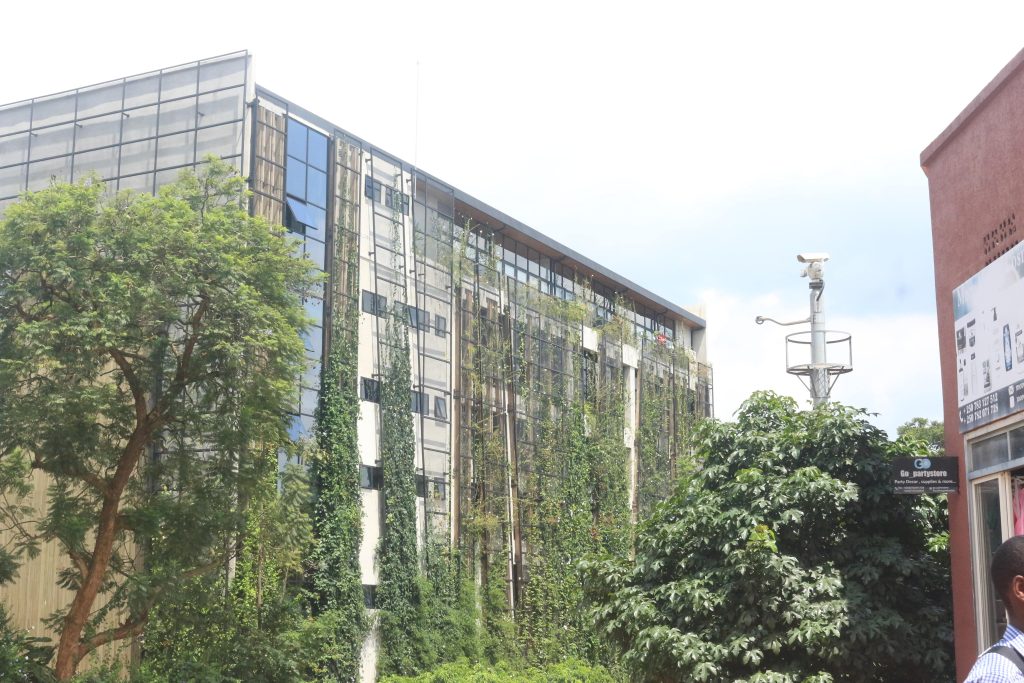
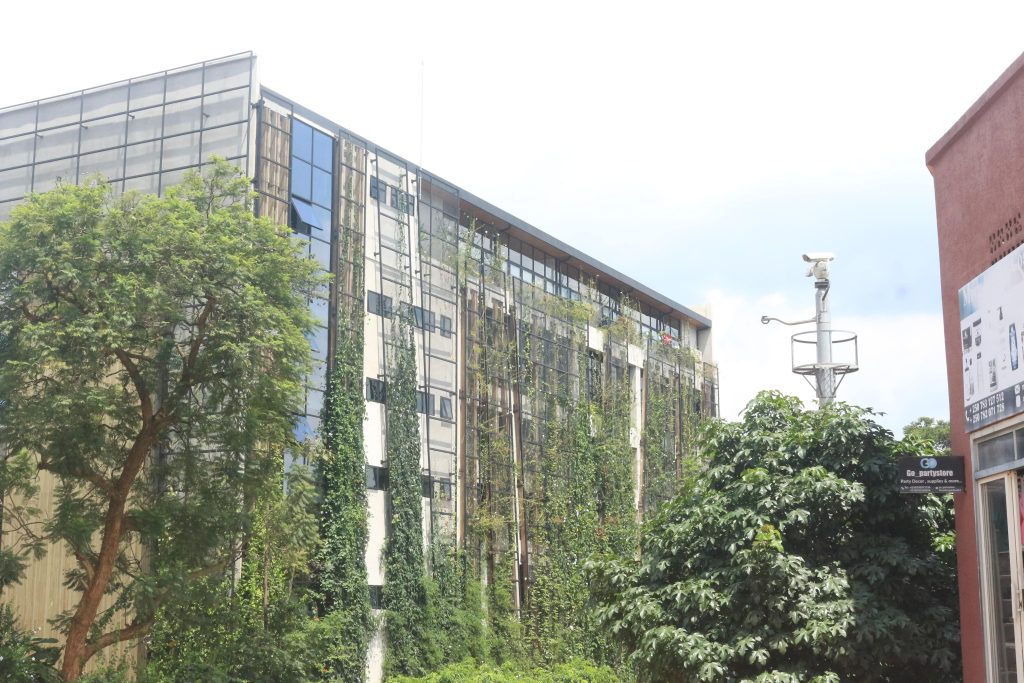
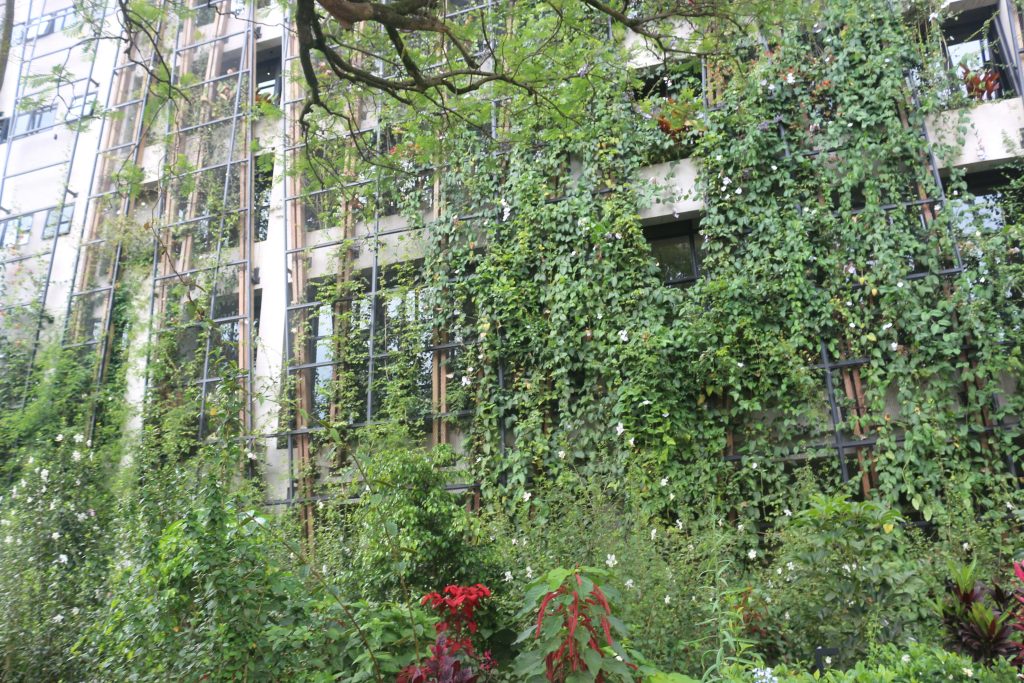
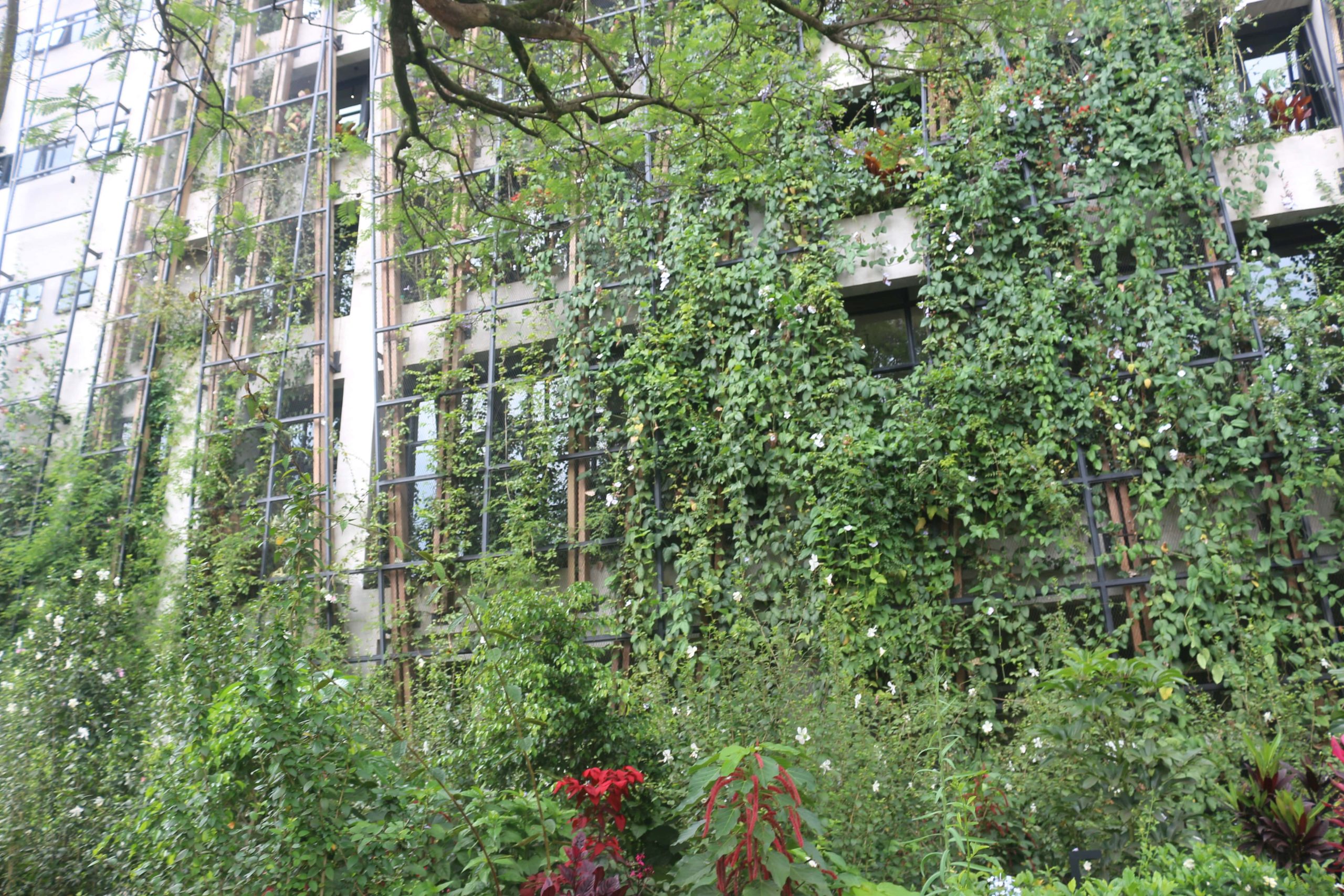
Norrseken House stands out with its vertical gardens integrated into the building’s facade, helping to filter air and reduce dust.
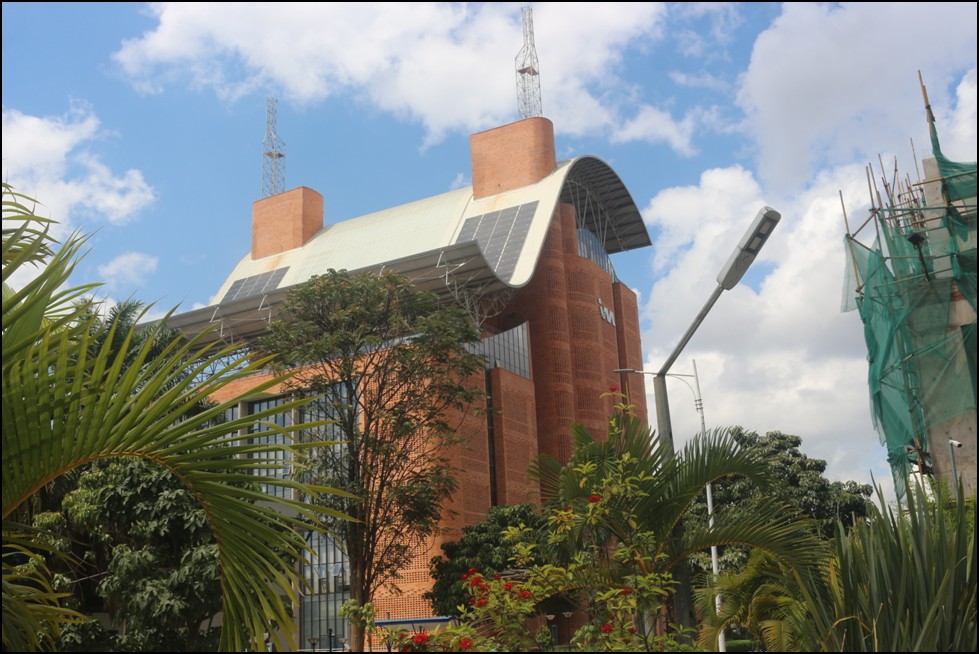
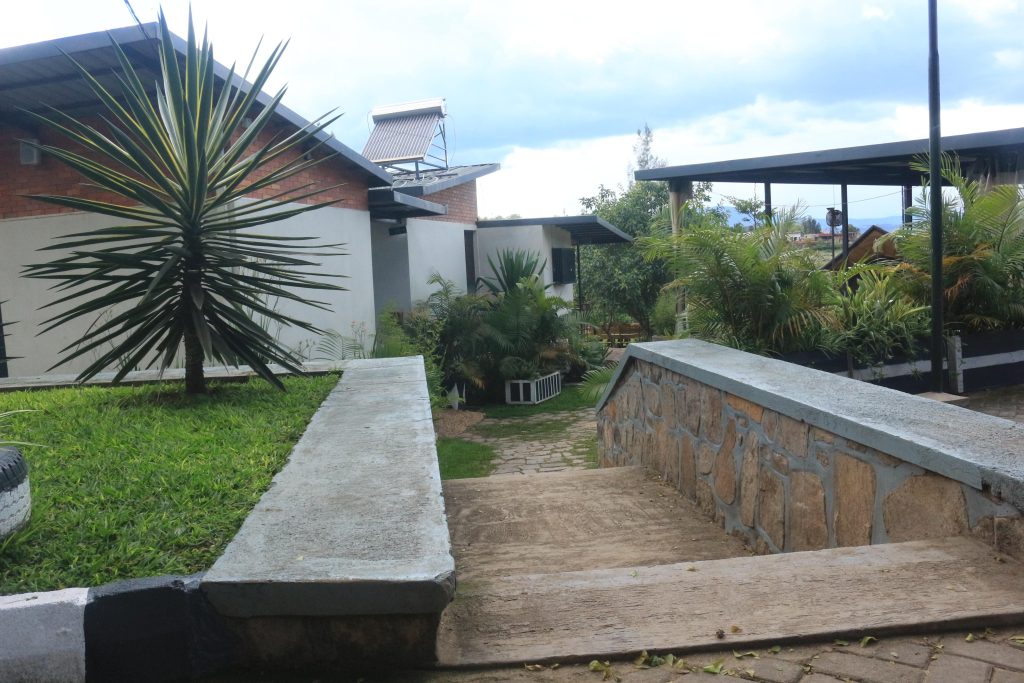
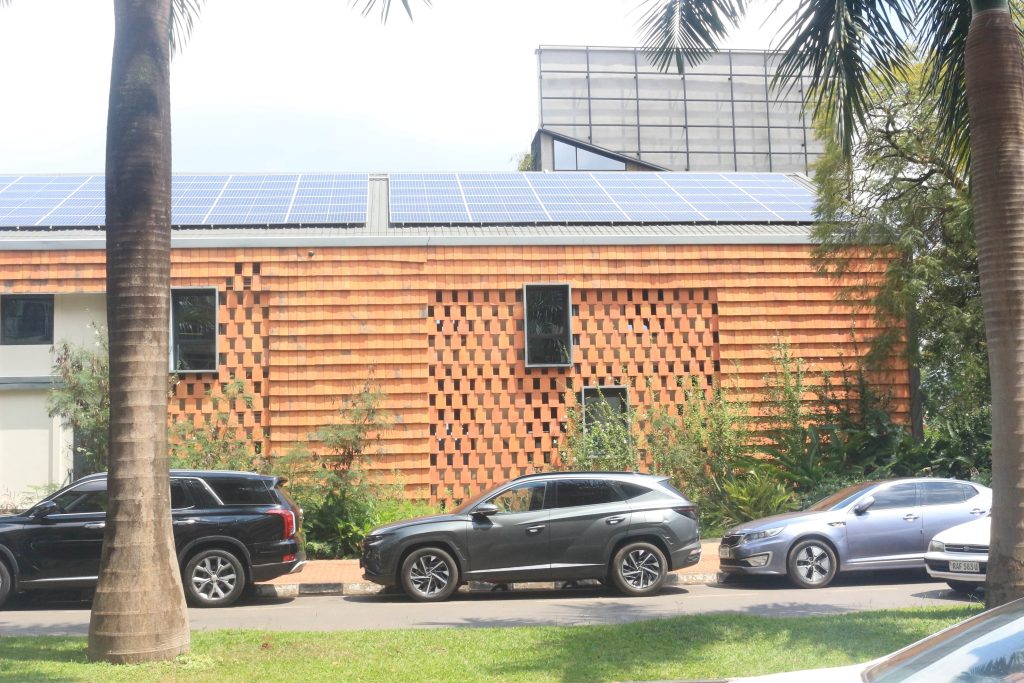
It makes extensive use of solar energy, showcasing how passive design can greatly reduce electricity usage. The I&M Bank Tower is another beacon of sustainability, equipped with energy efficient lighting, smart water reuse systems, and eco-conscious materials.
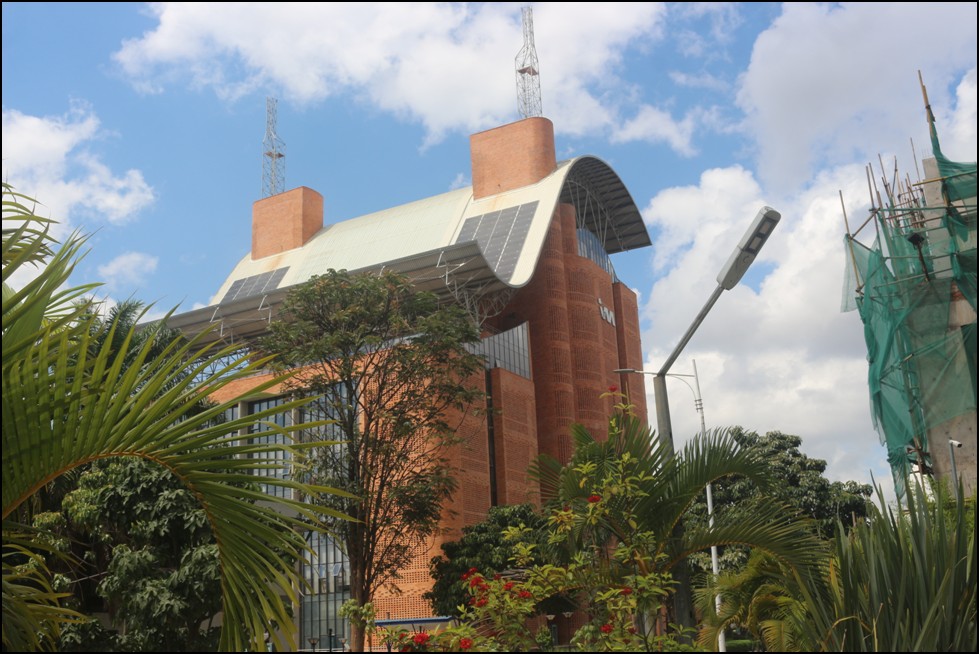
Dr. Bernardino Alvin Bavuge of REMA notes: “This building was carefully designed with a full green approach; considering energy sources, building materials, waste handling, water harvesting, and environmental landscaping.”
Some clients of IM Bank, as well as visitors to the Norrseken building, have expressed great appreciation for its architectural beauty and cleanliness. They highlight that these buildings are not only aesthetically pleasing but are also constructed with modern, eco-friendly technologies. As a result, the design naturally draws people in and creates a welcoming atmosphere that many would aspire to experience.
Don Bosco Gatenga Technical School is another model of sustainable development in Don Bosco Hospitality Center.
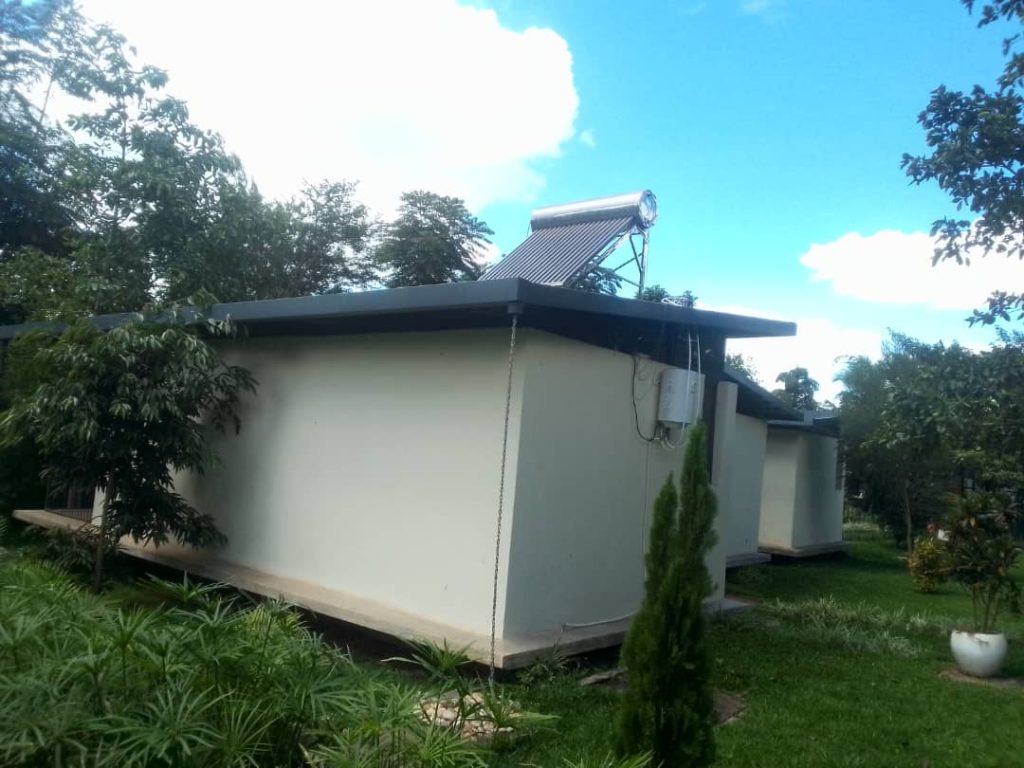
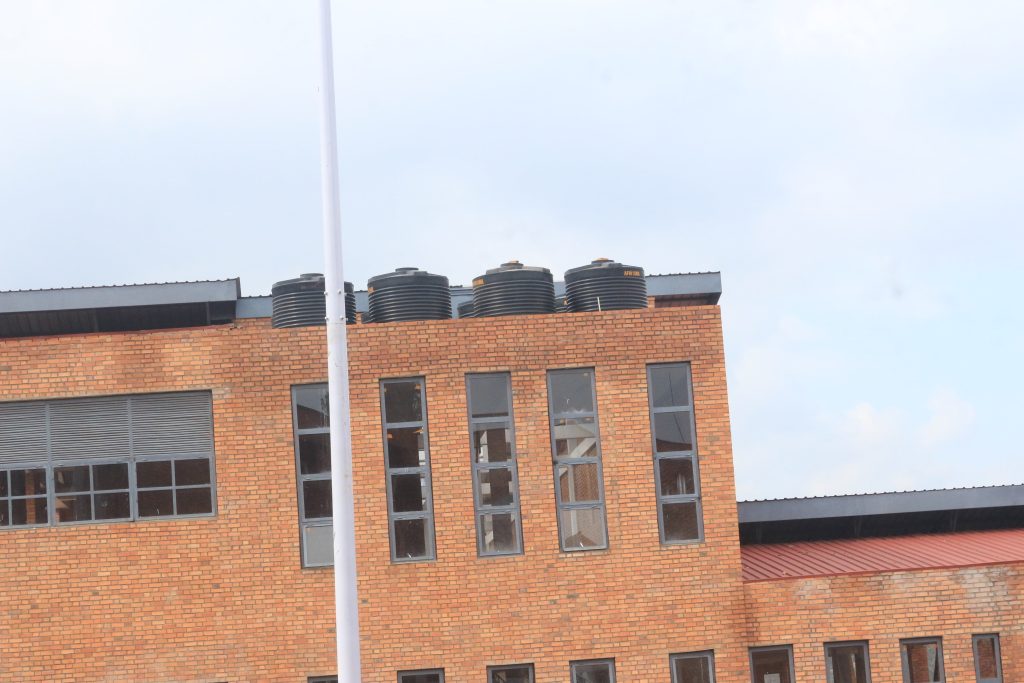
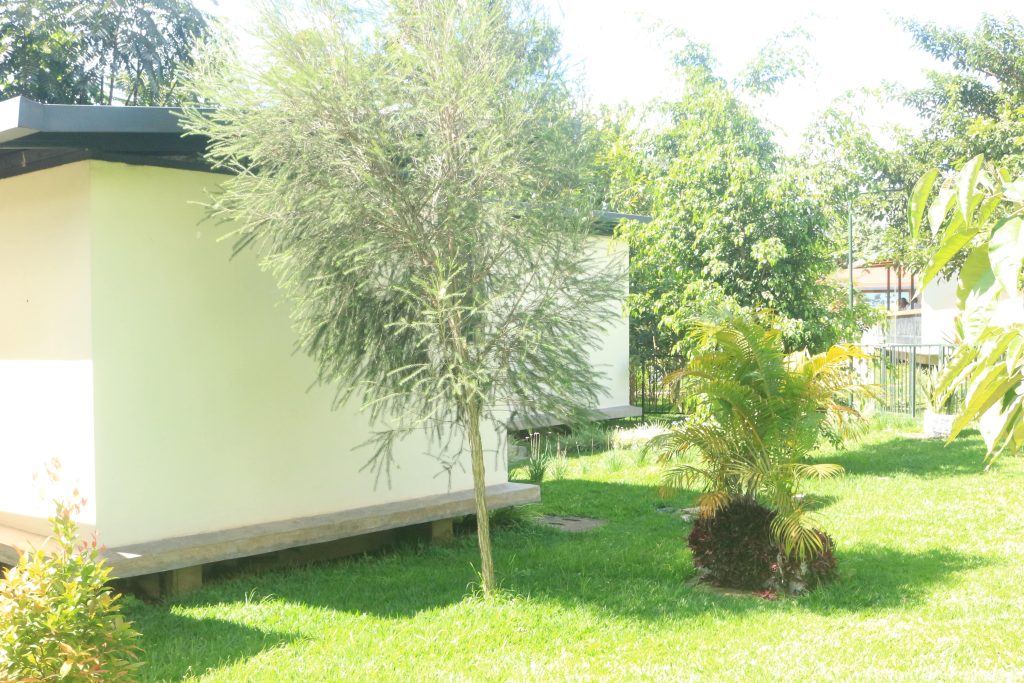
Servilien Ufitamahoro, Director of the Salesian Planning and Development Office explain it” Its rainwater drainage systems prevent erosion, while used water is purified and returned to the soil or directed toward wetlands. The surrounding hospitality center is lush, naturally ventilated, and bright”.
“These buildings are not only elevated and climate-resilient but built using local materials like soil, plant residue and wood,” explains.
“This reduced the carbon footprint and created jobs in the community.”
The Rwanda Housing Authority has announced that constructing eco-friendly buildings is now mandatory in order to protect the environment. They stated that numerous sessions have been conducted, and during project feasibility studies, consultants are required to adopt eco-friendly approaches.
Rwanda Housing Authority said: “We have what we call the Rwanda Green Building Minimum Compliance System, which ensures that all buildings in categories 4 and 5 are only granted construction permits if they demonstrate environmentally friendly building methods.”
Ir. Djafari Gihozo explains: “Eco-friendly buildings rely on solar power, geothermal heat, LED lighting, harvested rainwater, and water-saving plumbing. They are landscaped with native plants, monitored for air and water quality, and certified through standards such as LEED. Their contribution to climate protection is both measurable and impactful.”
He emphasizes that such architecture isn’t just about buildings; it’s about creating climate resilient communities that foster better livelihoods and environmental harmony.
Building a Greener Future
Eco-friendly construction is not a privilege for the wealthy or a mere technical concept. It is a real, scalable solution to urgent global challenge climate change, urban flooding, air pollution, and deteriorating public health.
Rwanda’s collaborative efforts between the government, private sector, and citizens demonstrate that the country isn’t just dreaming of a green future, it is building it step by step.
Constructing a green building means preparing for a healthier tomorrow.
When we build with the planet in mind, we’re not just creating shelter;we’re safeguarding the Earth for generations to come.
Marie Chantal Nyirabera Rwanda For You Magazine
This story was produced with the support of Rwanda Environmental Journalists (REJ) and Fojo Media Institute.