


Origins of Nyungwe Forest
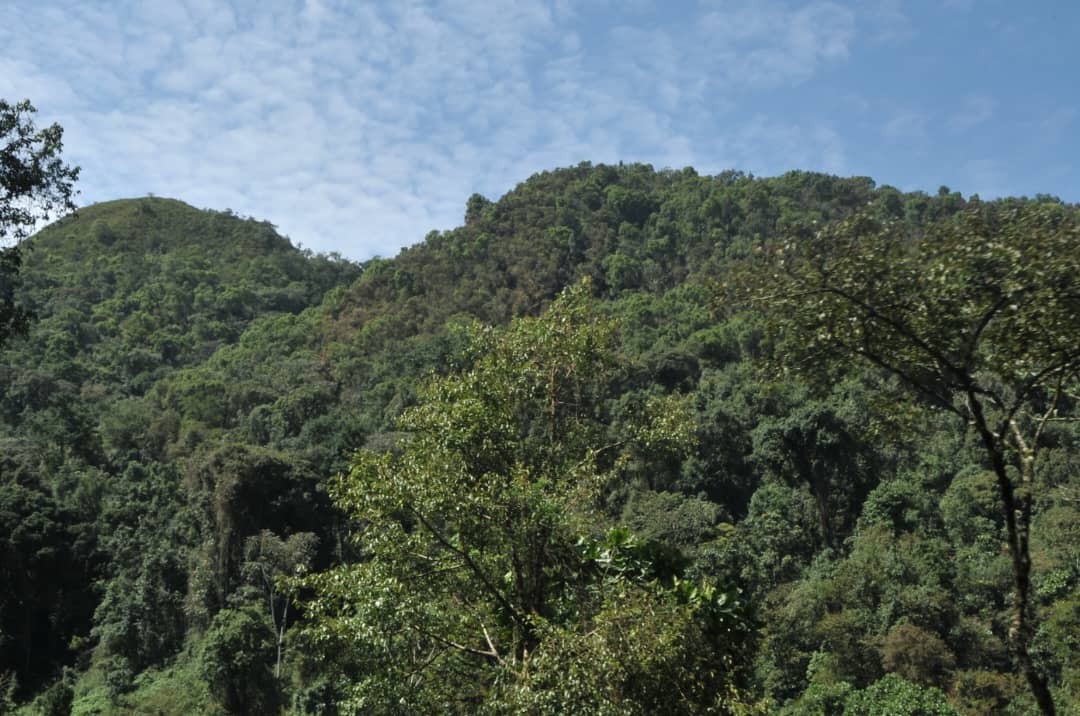
The Nyungwe Rainforest is one of Africa’s largest and oldest montane rainforests, located in the southwestern region of Rwanda. It spans over 1,019 square kilometers and is renowned for its rich biodiversity and unique ecosystems.
Unique Features of Nyungwe
Nyungwe is a haven for biodiversity, hosting:
Primates: Home to 13 species, including chimpanzees, colobus monkeys, and golden monkeys.
Birds: Over 300 bird species, with notable ones like the colorful Turaco.
Other Wildlife: Species such as duikers, civets, and various reptiles.
A distinctive attraction is the Canopy Walkway, a bridge suspended 70 meters above the forest floor, offering visitors a unique perspective of the forest’s canopy.
Importance of Nyungwe Forest
- Environmental Conservation
Climate Regulation: The forest plays a crucial role in carbon sequestration, aiding in the mitigation of climate change.
Water Source: It serves as a watershed for numerous rivers, contributing to major water systems like the Nile and Congo.
Rainfall Generation: The forest’s vegetation facilitates consistent rainfall patterns, essential for the region’s agriculture.
- Tourism and Economy
Ecotourism: Attracts tourists for activities like hiking and wildlife observation, generating revenue for local communities and the national economy.
- Research and Education
Biodiversity Studies: Provides opportunities for scientific research on its unique flora and fauna.
- Health and Traditional Medicine
Medicinal Plants: Hosts plants used in traditional medicine, offering potential for pharmaceutical discoveries.
- Cultural and Historical Significance
Cultural Heritage: The forest holds historical and cultural importance for local communities, being part of traditional practices and beliefs.
Conservation Efforts
Legal Protection: Designated as a National Park in 2005 to safeguard its unique ecosystems.
Community Engagement: Involving local communities in conservationf efforts to promote sustainable use of resources.
Nyungwe Forest is a vital natural asset, not only for Rwanda but for global environmental health. Its preservation is essential for maintaining biodiversity, supporting livelihoods, and combating climate change.
Rwanda For You Magazine/Marie Chantal Nyirabera