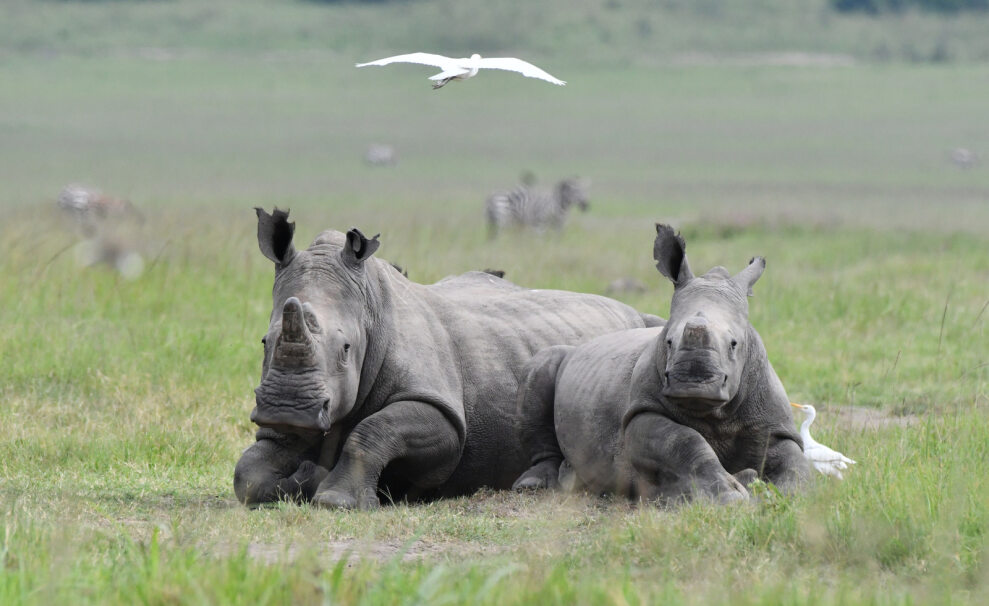



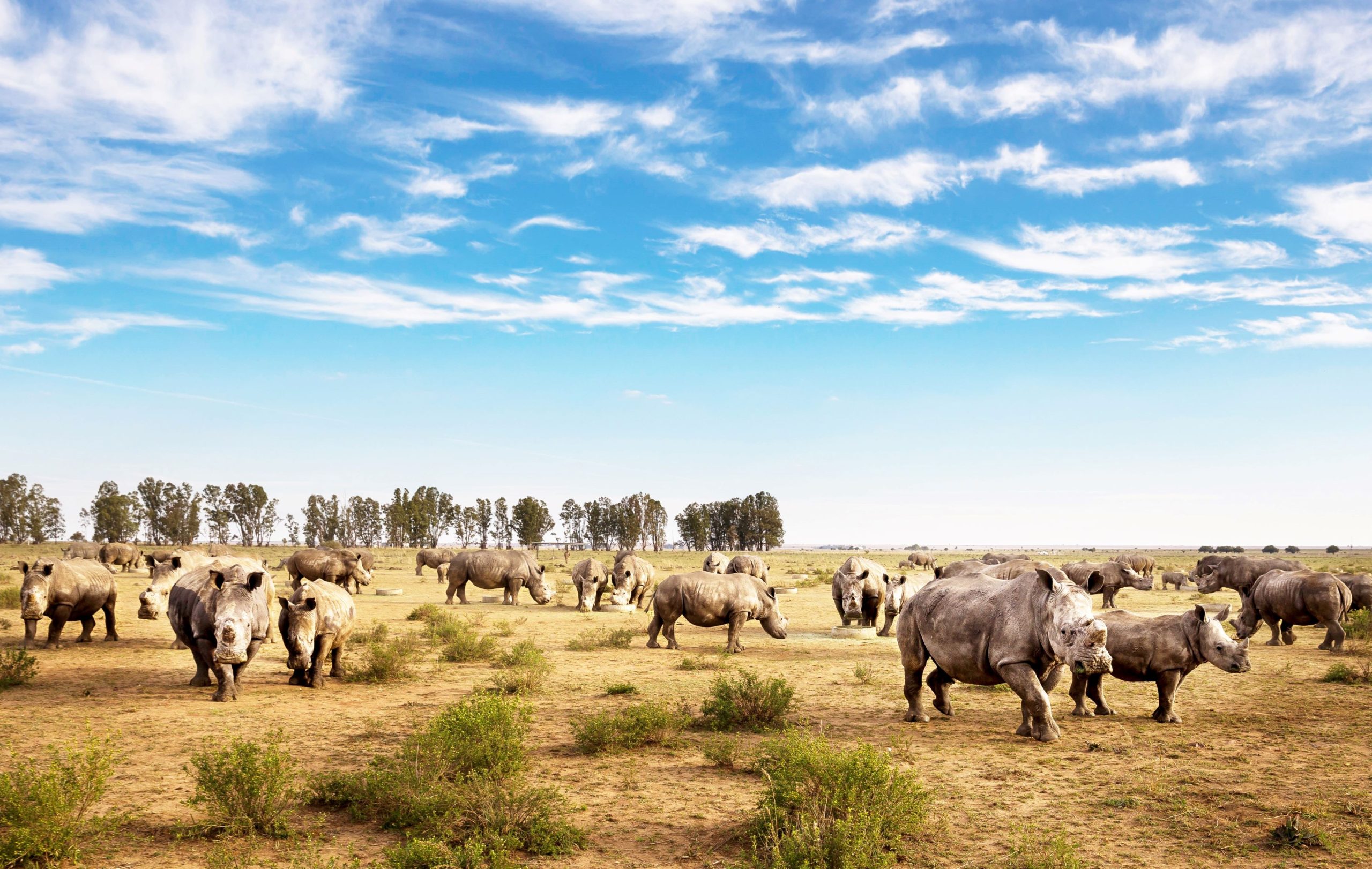
African Parks, a conservation NGO that manages 22 protected areas in partnership with 12 governments across Africa, announced it will rewild over 2,000 southern white rhino over the next 10 years.
“African Parks had no intention of being the owner of a captive rhino breeding operation with 2,000 rhino. However, we fully recognise the moral imperative of finding a solution for these animals so that they can once again play their integral role in fully functioning ecosystems,” said Peter Fearnhead, CEO of African Parks.
“The scale of this undertaking is simply enormous, and therefore daunting. However, it is equally one of the most exciting and globally strategic conservation opportunities. We will be working with multiple governments, funding partners and conservation organisations, who are committed to making this rewilding vision a reality,” said Peter Fearnhead.
For over 20 years, African Parks has worked with governments and local communities to ensure that protected areas, and their vital ecosystem services, are secured for the future.
“Our Government is guided in our approach to conservation by the UN Convention on Biodiversity and our own white paper. In this regard we are ready to support African Parks and other partners with technical and scientific advice in developing a conservation solution that includes translocating the animals over a period of time to suitable parks and community conservancies in South Africa and on the African continent”. said Ms. Barbara Creecy, the South African Minister of Forestry, Fisheries and Environment.
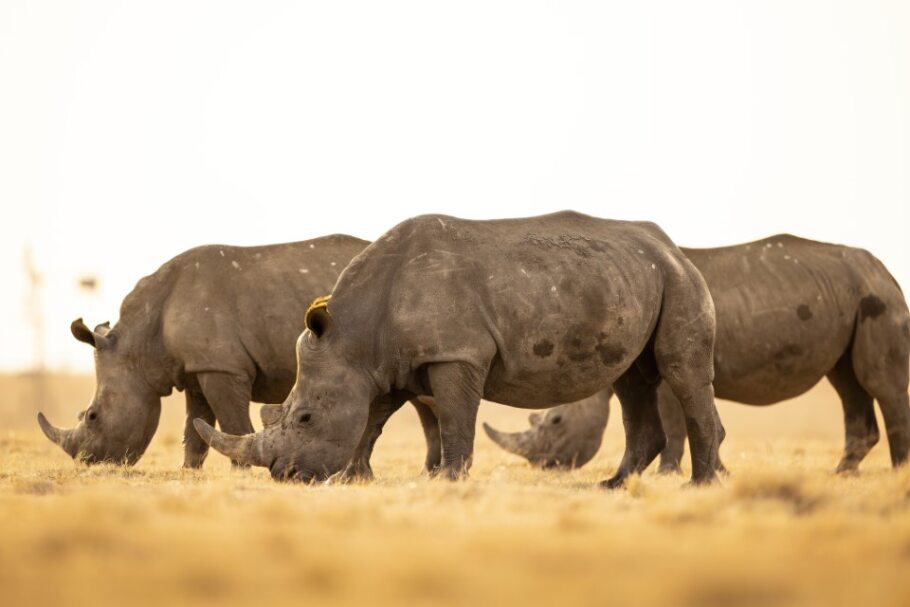
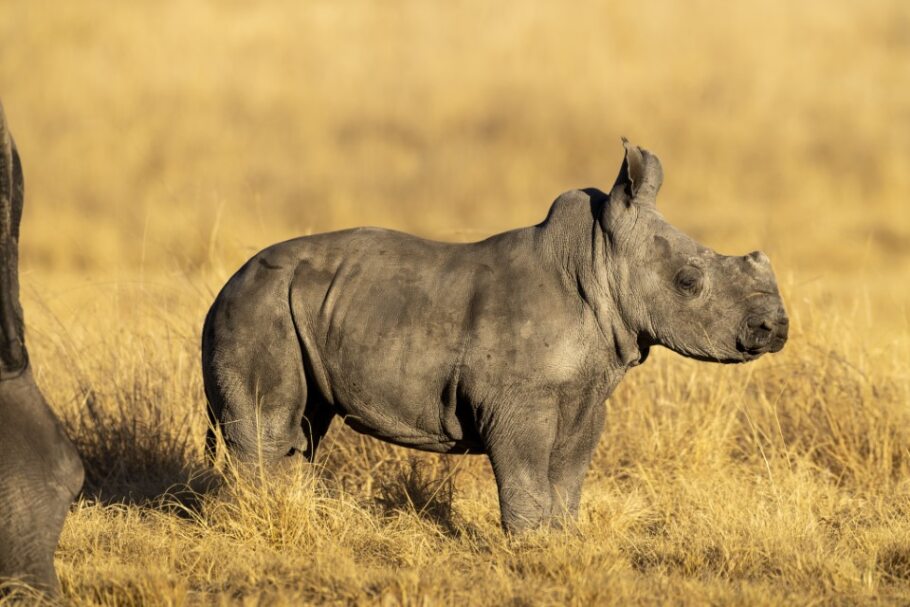
The white rhino as a species is under extreme pressure, especially in South Africa, because of poaching. Rhino historically consisted of two subspecies: the southern white and the northern white. The northern white is functionally extinct, with just two non-breeding females in captivity in Kenya. Southern white rhino reached an all-time low of 30 to 40 animals in the 1930’s, but through effective conservation measures, increased to approximately 20,000 individuals by 2012. However, with the dramatic rise in poaching for their horns for the illegal wildlife trade, their numbers have fallen to below 13,000 today.
“The conservation sector is delighted that African Parks can provide a credible solution for this important population, and a significant lifeline for this Near Threatened species,” said Dr. Mike Knight, Chairman of the IUCN African Rhino Specialist Group.
Hi pointed out that this acquisition provides the unique opportunity to re-wild these 2,000 white rhino for the benefit of people and rhino conservation in Africa.