


As climate change tightens its grip across the world,Rwanda is increasingly feeling its force.
Floods swallow roads and homes, landslides tear through vulnerable hillsides, heavy rains and violent winds leave destruction behind, while occasional earthquakes remind the country that not all disasters come with warning sign.
For a nation investing heavily in urbanization, these threats are no longer distant environmental concerns.
They are now central questions for architects,engineers and city planners: how should Rwanda build cities that can survive the shocks of a changing climate?
The urgency is written in the country’s own disaster records. Between 2018 and 2023, Rwanda experienced about 7,961 disasters that claimed the lives of 1,209 people and destroyed thousands of homes and public infrastructure. Landslides alone killed 329 people,lightning claimed 301 lives, floods caused 212 deaths,while heavy rains and strong winds accounted for more than 200 others, according to national disaster reports and media compilations including Umuringa News. Behind every statistic lies a trail of broken families,ruined property and disrupted livelihoods.
Together,the figures point to a hard truth: Rwanda can no longer afford to build cities that are vulnerable to nature’s growing violence.
That reality is now shaping a new approach to urban development.
Across the country, authorities and engineers are beginning to rethink construction not simply as an act of expansion,but as a form of protection.
The goal is no longer just to build more houses, roads and markets. It is to build structures that can endure floods, withstand tremors,resist erosion,reduce heat and protect lives.
The Rwanda Housing Authority has placed this thinking at the center of its master planning for Kigali and emerging secondary cities.
In official planning documents and urban strategies,the emphasis is increasingly on long-term resilience, environmental responsibility and human wellbeing. In practical terms,this means that the buildings of the future must do more than provide shelter.
They must be adapted to the environmental hazards that define the places where they stand.
Engineers say disaster-resistant construction is not a one-size-fits-all formula. A house built for a flood-prone valley cannot be designed in the same way as one located in an earthquake-sensitive zone or a dry, wind-exposed district. In Rwanda, that means every region demands its own response. Structures must be conceived according to local realities, whether those realities involve unstable slopes, overflowing waterways, seismic activity, heat stress or high humidity.
When natural disasters become a planning priority
The need for this localized approach is reinforced by data from the Ministry in charge of Emergency Management, MINEMA, which shows that Rwanda is repeatedly affected by floods, landslides, strong winds, lightning, earthquakes and unusually heavy rains. Research by the ministry identifies 326 locations across the country as high-risk disaster zones, particularly vulnerable to floods and landslides. In 2022 alone, Rwanda recorded 1,033 disasters, leaving 150 people dead, destroying 3,378 houses and damaging 1,631 hectares of crops. During the first five months of 2024, MINEMA reported 288 disasters, 49 deaths, 79 injuries and more than 400 damaged houses. Reports covering the 2025 and 2026 rainy season also painted a worrying picture, indicating more than 470 disasters, 67 deaths, 123 injuries and 674 houses destroyed or damaged. The message from the numbers is unmistakable: disasters are not isolated episodes. They are an increasingly frequent feature of national life.
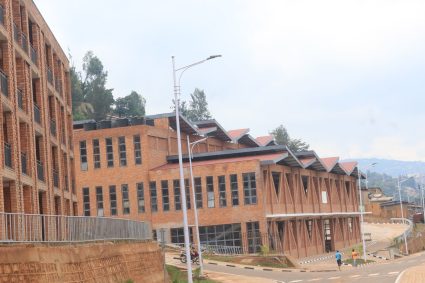
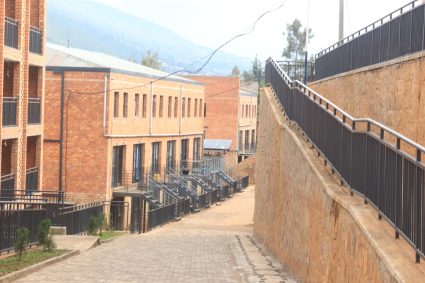
In Kigali, where urban growth has often collided with environmental vulnerability, some of the country’s most visible experiments in climate-resilient construction are already taking shape. Areas long associated with flooding, soil erosion and fragile housing are being redesigned with stronger environmental and structural considerations. Among the most cited examples are the Green City Kigali project in Kinyinya and the redevelopment of Cyahafi-Mpazi, a zone that had for years symbolized the danger of unplanned settlement in risk-prone terrain.
According to Emma Claudine Ntirenganya, Director of Communications for the City of Kigali, the Cyahafi-Mpazi project was conceived as a response to repeated flood and rain-related disasters that had damaged homes and endangered residents. She describes an area that was once marked by aging and vulnerable housing, where erosion and flooding were part of everyday reality. Today, she says, the same space is being transformed into a model of climate-resilient urban living. The new homes feature vegetation-covered rooftops, clay brick walls designed to have lower environmental impact, rainwater harvesting systems with filtration mechanisms, and engineered retaining walls intended to reduce the risk of landslides and floods.
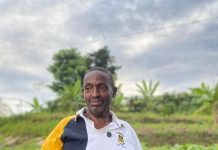
For former residents, the contrast is not abstract. It is deeply personal. Mugwizambaraga Désiré

Who lived in the area before the new houses were built, remembers homes that could hardly stand against the rain. Water seeped indoors with ease, and moving around became difficult whenever erosion turned paths into muddy traps. Today, he says, life has changed. The houses are stronger, the surroundings cleaner, and the overall environment more organized. What was once a daily struggle against water and mud has become a place of order and relative security.
Another resident,
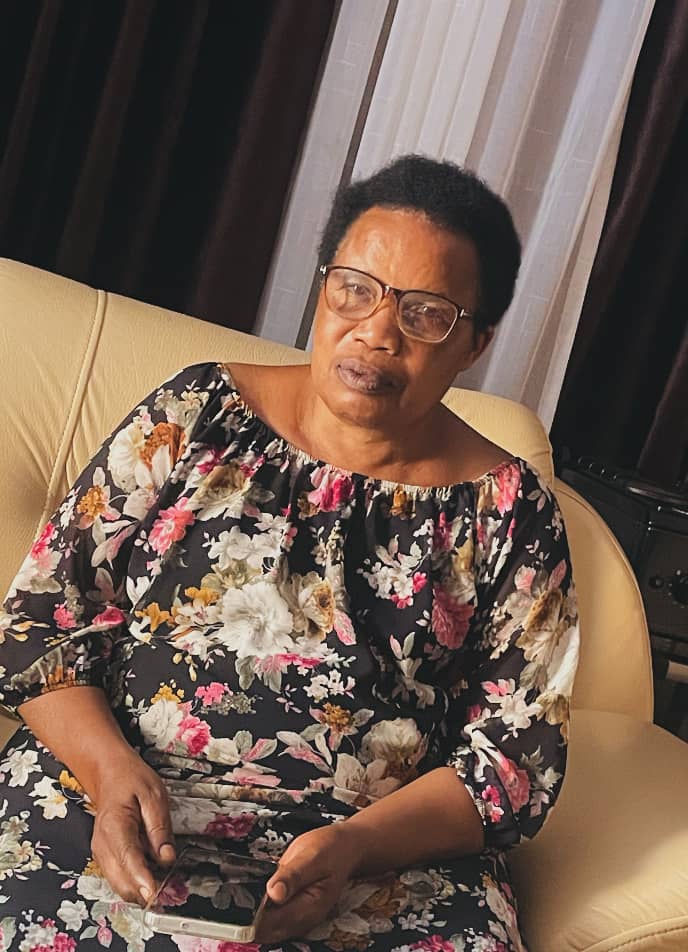
Mukanaho Salah, says the benefits of the new homes go beyond resisting the rain. For her, the design of the kitchens has changed daily life in a quieter but equally important way. Smoke no longer fills the house as before, reducing the health risks associated with indoor air pollution. In that sense, the new housing is not only about surviving disasters. It is also about improving the dignity and quality of everyday life.
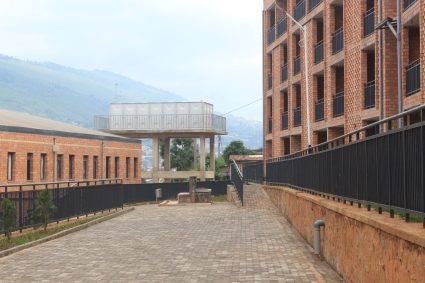
Kigali’s transformation is also being guided by broader policy tools such as the Rwanda Green Building Minimum Compliance System, which encourages developers to integrate environmental consciousness into construction. In this model, resilience is not treated separately from sustainability. Trees, rooftop vegetation, water management systems and building materials are all part of a wider strategy to make the city both livable and durable.
Different regions, different engineering responses,
But if Kigali is largely responding to floods and erosion,other parts of Rwanda face very different dangers.
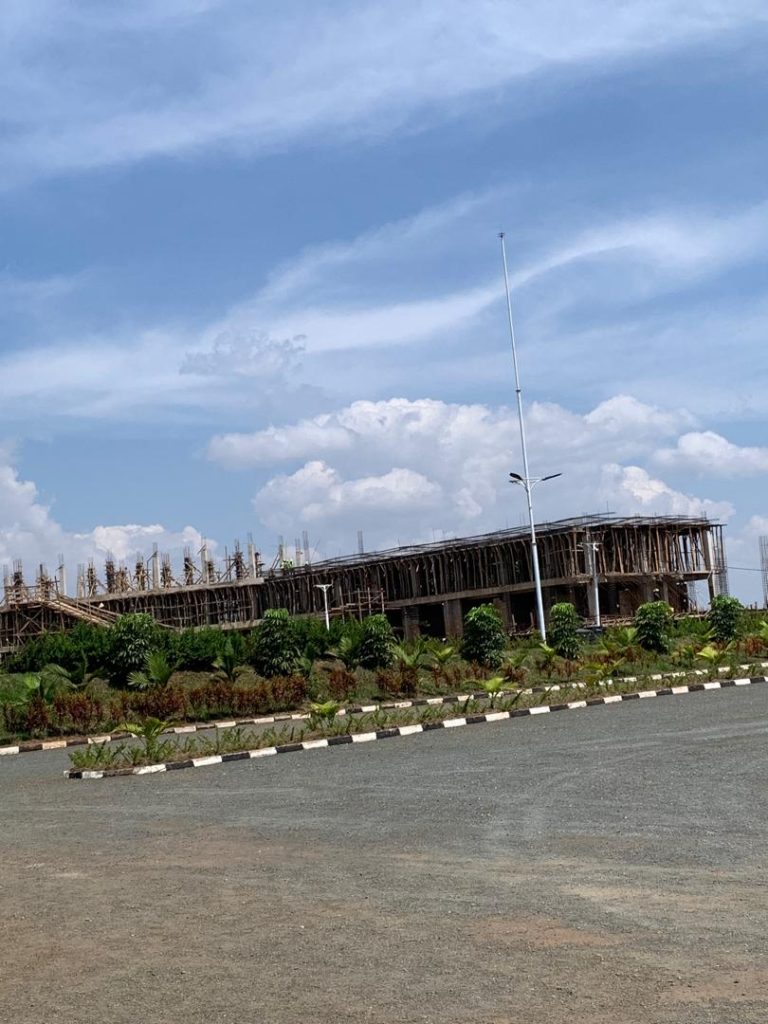
In Rubavu District, on the shores of Lake Kivu, resilience carries a more geological meaning. Located within the wider Albertine Rift region and shaped by volcanic terrain, Rubavu is exposed to seismic risks that force engineers to think beyond rain and runoff. The area’s vulnerability was sharply exposed in 2021, when the eruption of Mount Nyiragongo in neighboring eastern Democratic Republic of Congo triggered a 5.3 magnitude earthquake that was strongly felt in Rubavu, Nyabihu and Musanze. Houses, schools and infrastructure were damaged, and the event served as a reminder that the region’s urban future cannot ignore tectonic instability.
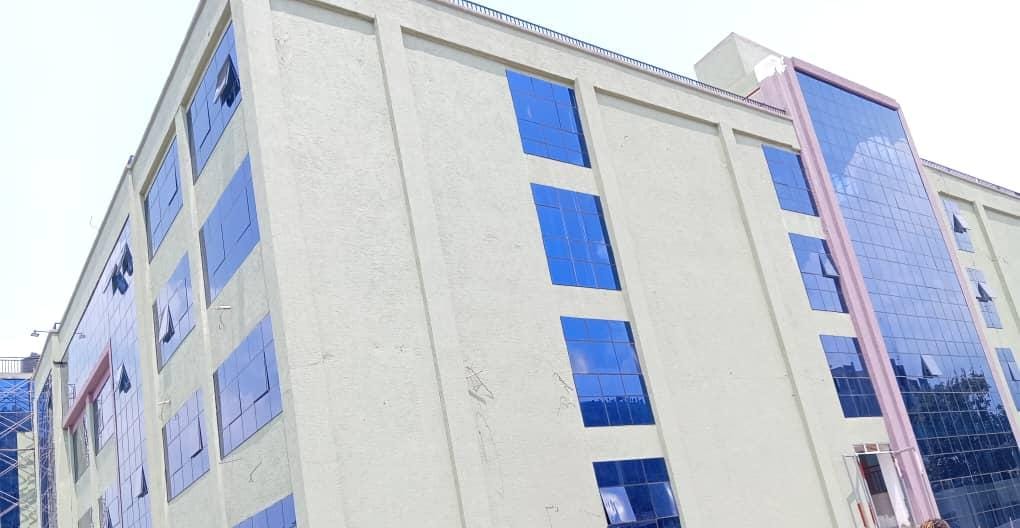
At the Rubavu market construction site, engineer Gasaza Patrick
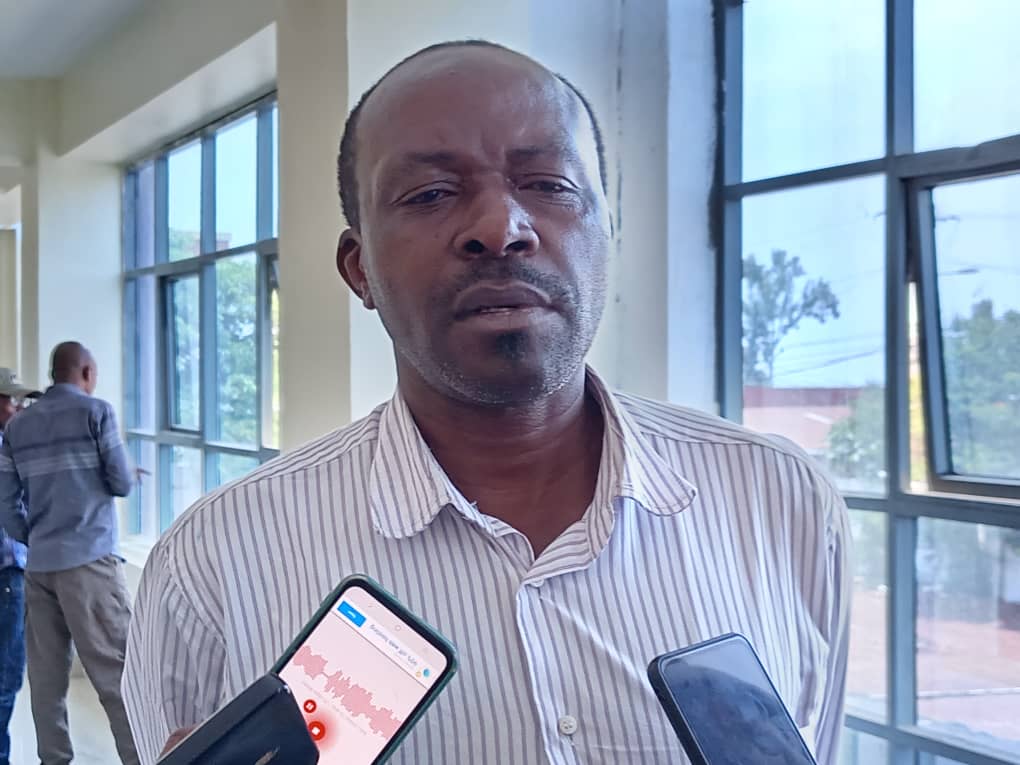
says the lessons from that period had a direct impact on how structures are now designed. He explains that the market building was reinforced to better withstand future seismic activity, reflecting a growing awareness that major infrastructure must be prepared not only for ordinary wear but also for exceptional shocks. Another engineer Rugaba Emmanuel
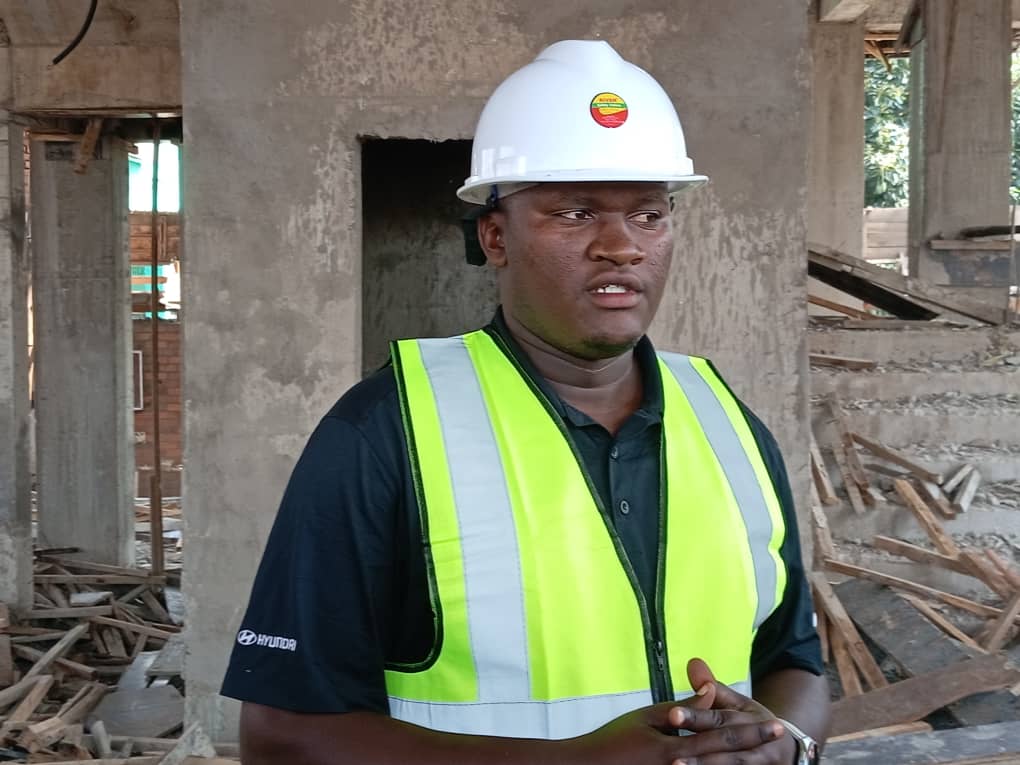
points to volcanic stone as one of the materials increasingly valued in the region. Strong, durable and locally available, it offers an example of how resilience can sometimes be built using resources that the landscape itself provides.
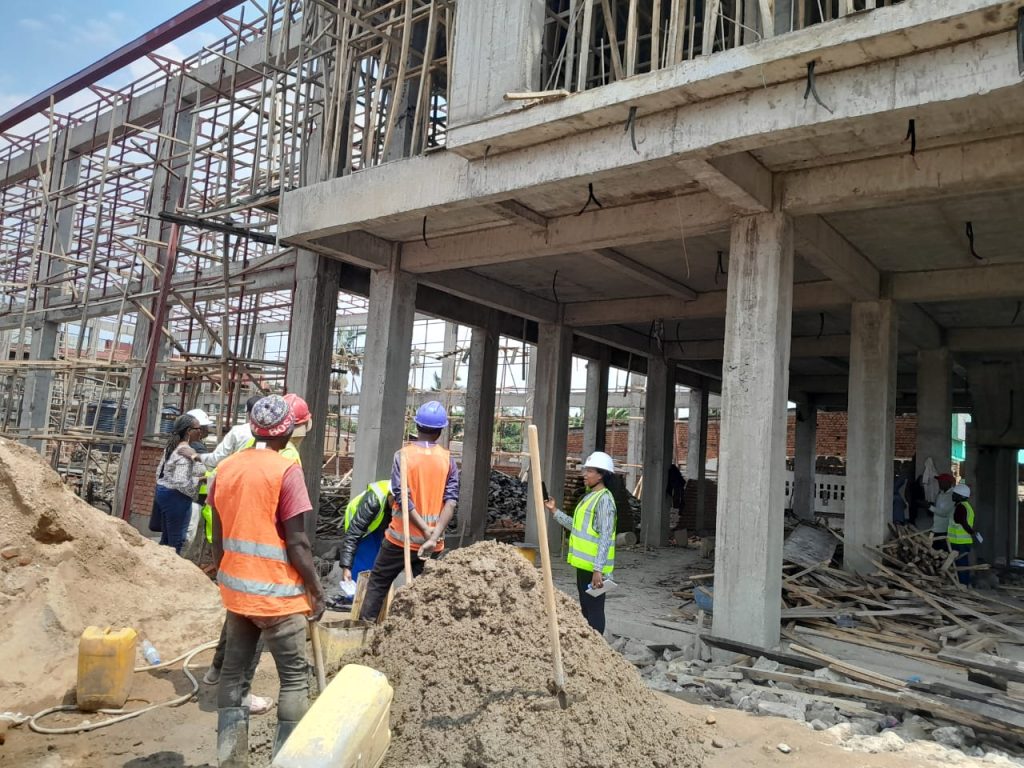
Rubavu’s lakeside environment brings additional demands. Buildings constructed near Lake Kivu must deal with persistent humidity, while tourism infrastructure developed within designated buffer zones is expected to comply with environmental guidelines meant to protect both ecosystems and people.
Here again, resilience is inseparable from place. The strength of a building depends as much on its adaptation to local conditions as on the materials used to erect it.
In the Eastern Province, the environmental pressures shift once more. In Rwamagana, planners pay close attention to strong winds, a risk made worse by limited vegetation that might otherwise act as a natural barrier. For engineers, this means studying wind patterns, terrain and soil conditions before making structural choices. A building that ignores these forces may stand beautifully in calm weather and fail dangerously under pressure.
Further south in Nyamata, Bugesera District, the challenge is less about tremors or floods than about heat. Long known for its high temperatures, the area is now becoming a laboratory for climate-smart urban design. New buildings increasingly incorporate ventilation systems, shaded spaces and tree planting, all intended to reduce heat stress and improve air quality. In this rapidly changing urban landscape, greenery is being redefined. Trees are no longer planted only to beautify a neighborhood. They are part of the infrastructure itself, helping to cool streets, reduce erosion, filter air and make settlements more resilient.
For residents such as Nduwimana Raissa
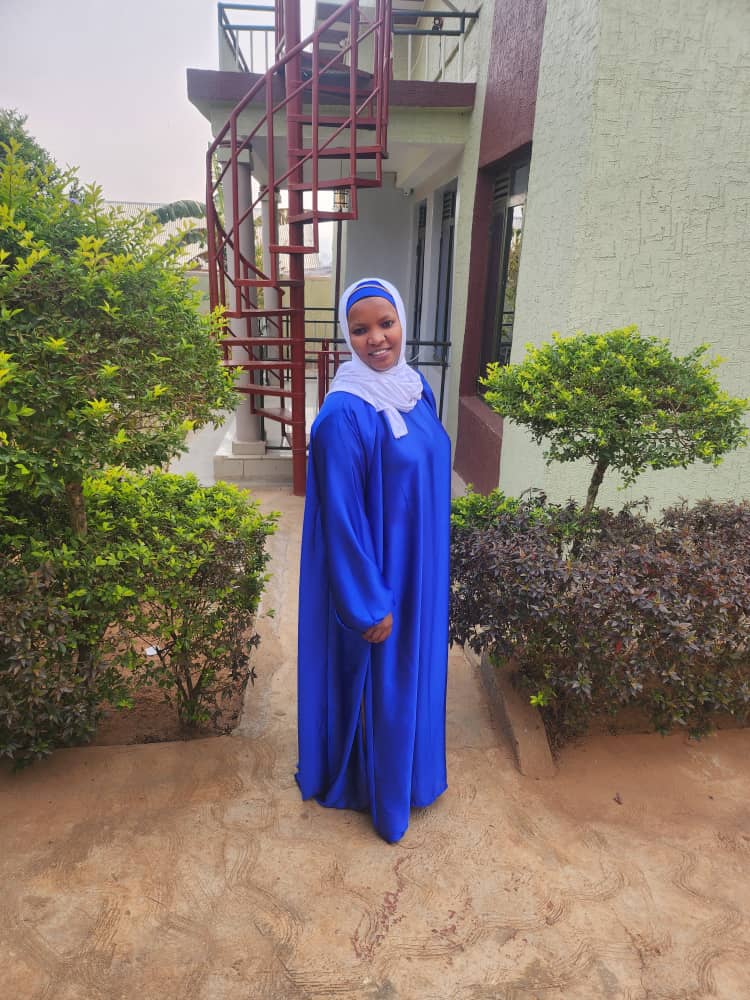
This transformation is visible in the look and feel of the city. She speaks of modern infrastructure, landscaped gardens and tree-lined streets that create not just beauty, but balance. Her words capture a broader shift in how urban development is being imagined in Rwanda. The city of the future is not supposed to fight nature blindly. It is supposed to work with it.
Climate adaptation built into the foundations
That may be Rwanda’s most important lesson as it confronts the realities of climate change. Disaster adaptation is no longer an abstract conversation reserved for policy papers and engineering conferences. It is being poured into concrete, built into rooftops, planted along roadsides and carved into the planning of neighborhoods. It is visible in retaining walls above fragile slopes, in ventilation systems designed for hotter towns, in reinforced structures standing in seismic zones and in new homes rising where floodwaters once dictated life.
The country’s effort to engineer resilient cities remains a work in progress, and the threats are far from over. But one direction is becoming clear. In Rwanda, climate adaptation is increasingly taking physical form. It is becoming part of the foundation, the walls and the design logic of urban growth itself.
As disasters grow more frequent and severe, the future of Rwanda’s cities may depend not only on how fast they expand, but on how wisely they are built.
Marie Chantal Nyirabera