

The National Adaptation Plan Project (NAP), implemented by the Rwanda Environment Management Authority (REMA) and funded by the Global Environment Facility (GEF) with an investment of $6 million at the national level, is transforming landscapes and improving livelihoods in Nyagatare District, particularly in Matimba and Musheri sectors. Residents have praised significant improvements in agricultural productivity, while drought and soil erosion have become challenges of the past through agroforestry.
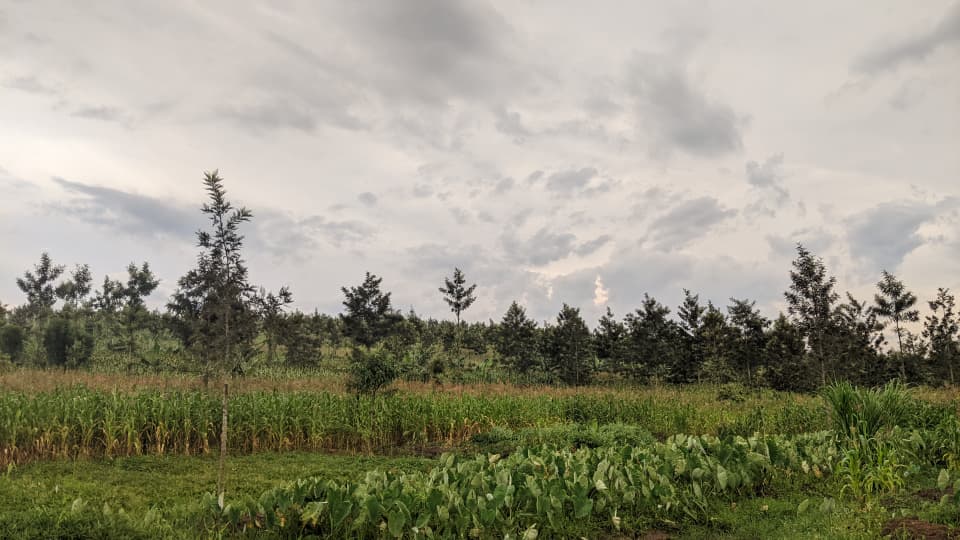
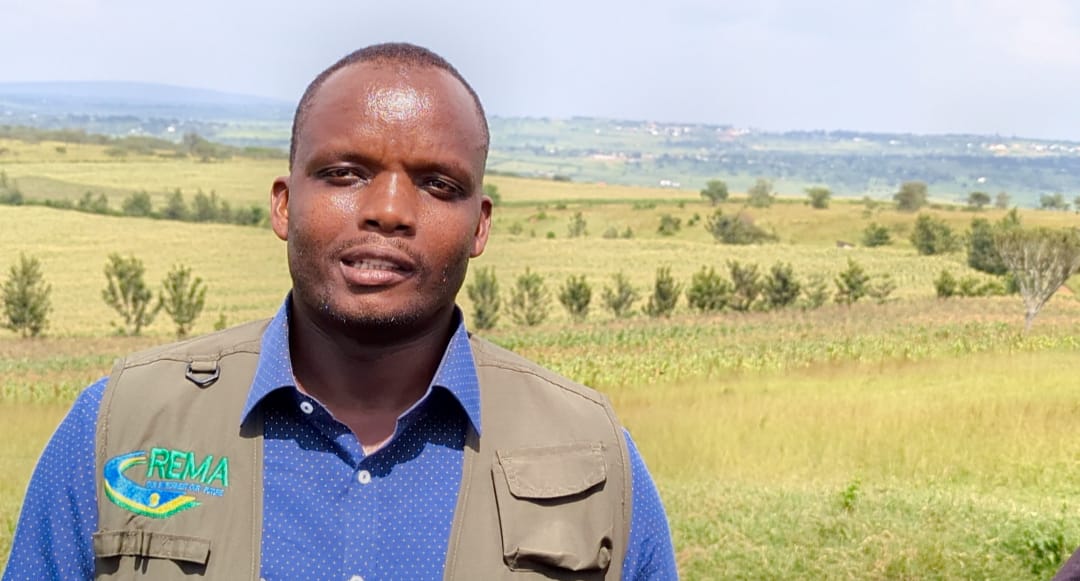
Under the NAP Project, which promotes agroforestry, smart irrigation, and climate resilience measures, the initiative has been implemented in four districts: Rusizi, Nyagatare, Nyamasheke, and Kirehe. It has reached more than 21,000 beneficiaries, according to Servand Niyitegeka, REMA’s representative on the project.
The targeted districts were selected based on their vulnerability to environmental pressures. “We did not choose these districts randomly. In Nyagatare, the challenges of heavy sunshine, repeated droughts, and grazing pressure made it urgent to intervene before the situation worsened,” Niyitegeka said. He added that, despite these challenges, residents have never had to relocate due to these issues.
Across Nyagatare, the project now covers 12 out of 14 sectors. In Matimba and Musheri, agroforestry activities have expanded over more than 1,889 hectares using a mixture of tree species including Grevillea robusta (70%), Maesopsis eminii (10%), Cedrella serrata (10%), and Leucaena (10%). These trees are intended to strengthen climate resilience, restore degraded soils, expand forest cover, and increase farmers’ productivity.
Explaining the strategy behind the intervention, Niyitegeka said agroforestry was introduced for two key reasons. “We wanted to protect the land against soil erosion during heavy rains, and we also aimed to reduce the intense sunshine and recurring droughts that have always affected farmers here,” he said. He added that the benefits extend beyond the district. “When you plant trees, you help the community and the world. These trees capture carbon dioxide, which contributes to the global fight against climate change.”
Niyitegeka also highlighted the social benefits brought by the project. Residents now access firewood more easily, as not all have gas; they get supporting sticks for farming activities, and the increase in productivity is helping families earn more, he said. He noted that Musheri and Matimba previously faced destructive winds, but added, “Since we began, there has been no reported case of strong wind hazards in these sectors.”
Residents confirm the changes they have experienced.
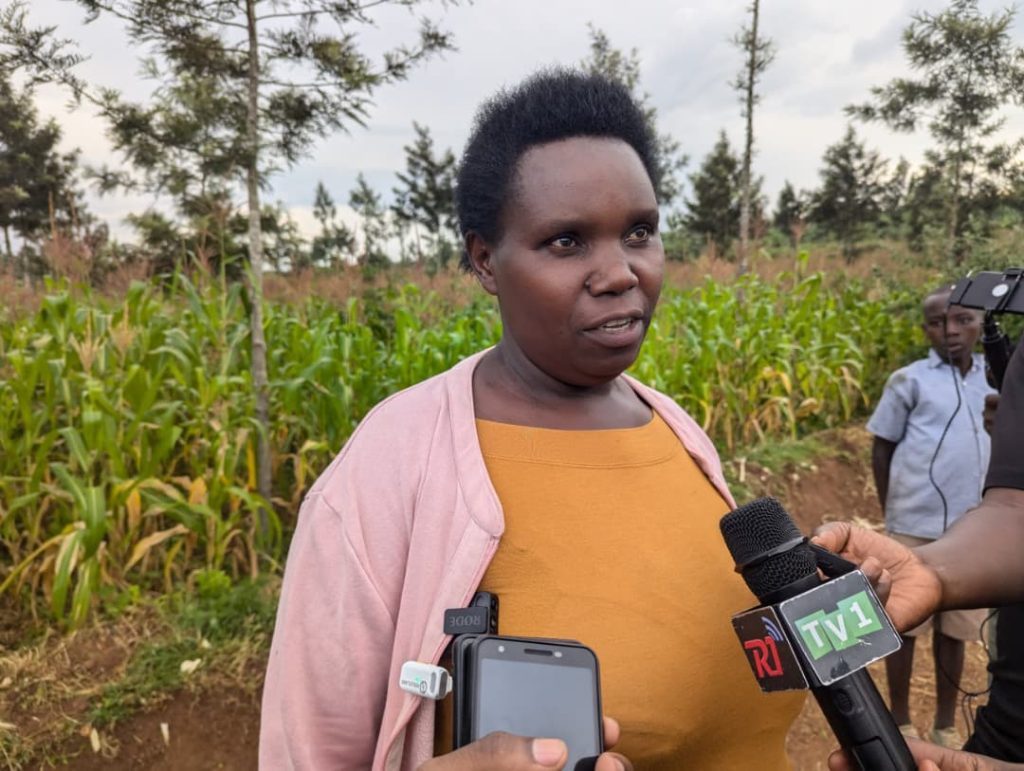
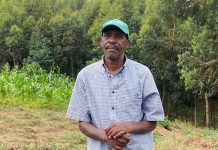
From Musheri Sector, Musheri Cell, and Musheri Village, Mukansanga Leonile said the project has transformed farming and household conditions. “Before this project, when it rained, our land would be carried away by soil erosion, and when the sun came, large plants would dry up. Now, the land stays in place, and crops thrive,” she said. She added that the project has reduced the struggle residents faced to get firewood. “We can now access firewood easily, and the strong winds that used to damage our crops and houses are no longer a threat.” Mukansanga said her maize harvest has increased significantly. “I used to get one bag, but now I harvest three. I believe it will continue improving.”
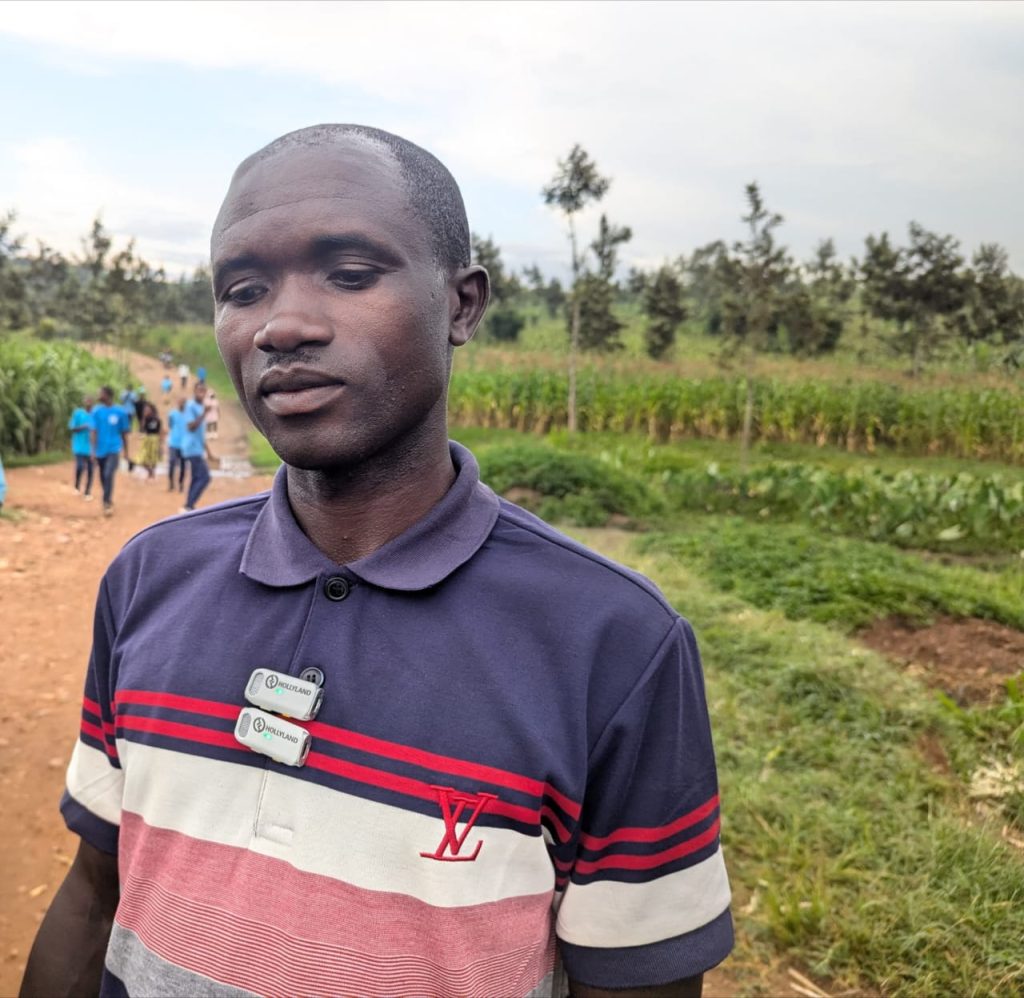
Another resident, Sekabanza Bernard from Musheri Sector, described the project as life-changing. He said that the increased productivity resulting from the agroforestry initiative has enabled him to pay health insurance and school fees for his children without any difficulty. Bernard added that he encourages other community members to care for the planted trees in order to continue benefiting from what the NAP Project has done for them.
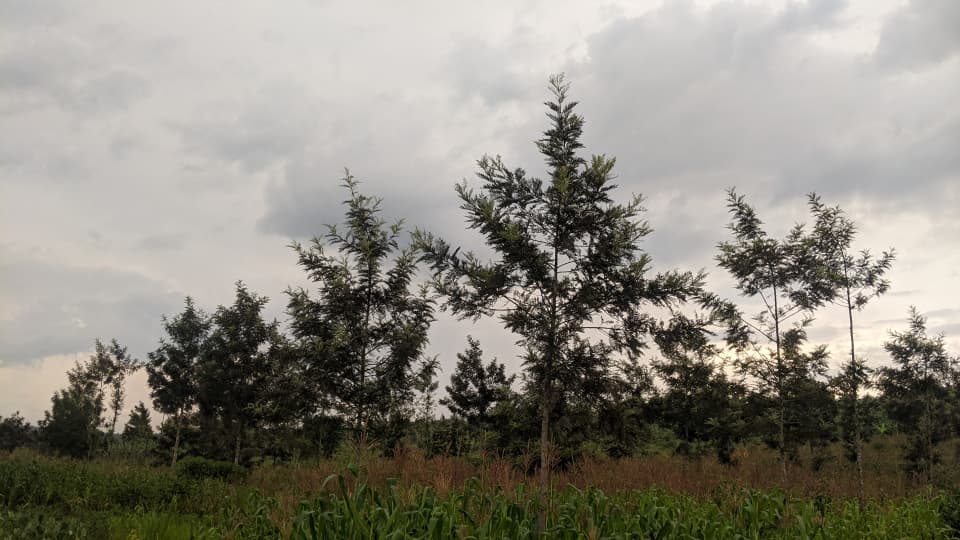
As the NAP Project continues to advance in Nyagatare, the improvements in Matimba and Musheri show how targeted climate interventions can strengthen the resilience of rural communities. Launched in 2016 and scheduled to continue until 2026, the project began as an effort to restore degraded land and build climate resilience. It is now protecting households from environmental hazards, boosting food production, and supporting long-term development. With ongoing collaboration between REMA, local authorities, and community members, Nyagatare is emerging as a strong example of how agroforestry can drive sustainable recovery and climate resilience across Rwanda.
Patrick Niyonkuru