
The Landscape Approach to Climate-Proof the Rural Settlement Project, known as LDCF 3, is a six-year initiative implemented by REMA in partnership with Kirehe District and funded by the Global Environment Facility (GEF). Launched in 2022 and set to conclude in 2028, the project aims to strengthen climate resilience, restore degraded ecosystems, enhance livelihoods, and support families relocated from high-risk zones. According to REMA’s Project Manager, LDCF 3 is built on three core components: constructing houses for vulnerable households, restoring degraded land, and boosting livelihoods through modern and climate-smart agriculture.
Between 2022 and 2024, the project’s early focus was on housing construction for families from high-risk areas. Out of the 500 households expected to benefit, over 220 homes have already been completed in Kirehe and Gakenke districts. Alongside housing, the project is rehabilitating degraded land. In the 500 hectares planned for radical terraces, over 400 hectares have been completed, with only 100 hectares remaining. LDCF 3 has also planted over 2,000 hectares of ordinary forest and agroforestry, playing a major role in restoring the environment and preventing soil erosion.
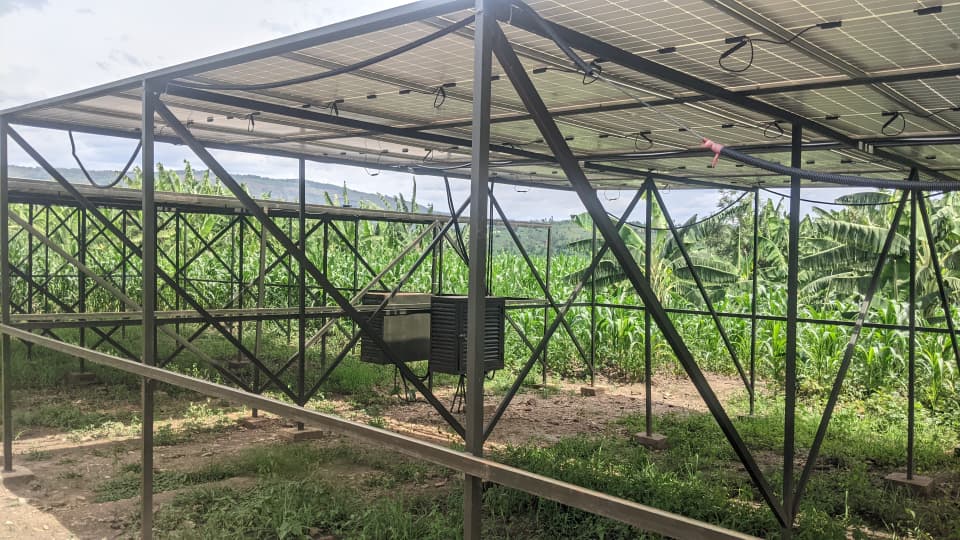
In 2024, the project introduced smart agriculture powered by solar irrigation in Musaza Sector, specifically in Gasarabwayi Cell and Gicuma Village. This innovation responded to prolonged droughts that had weakened crop production and pushed many families to consider relocating.
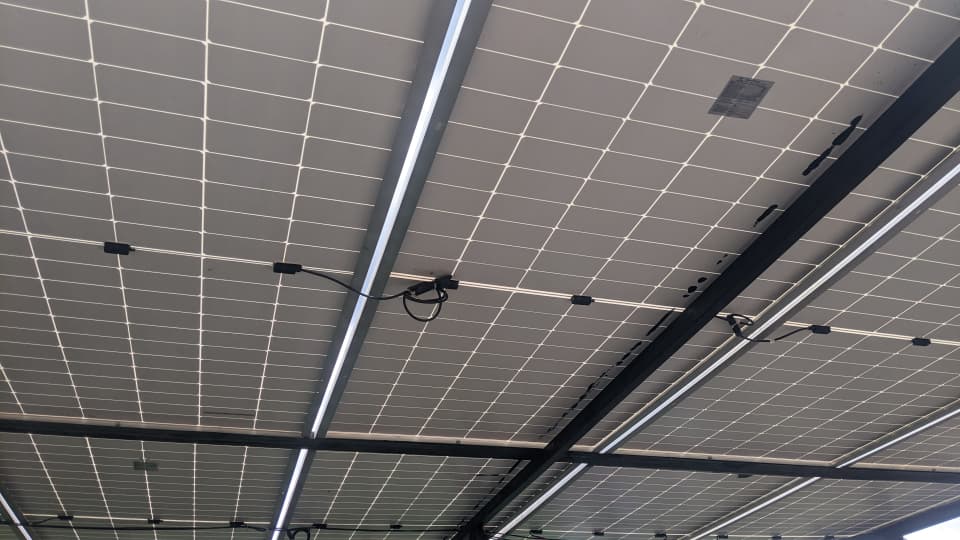
The solar-powered smart irrigation system initially covered 20 hectares, but due to strong community demand and support from REMA, Kirehe District, and partners including GEF and UNDP, it was expanded to 120 hectares.
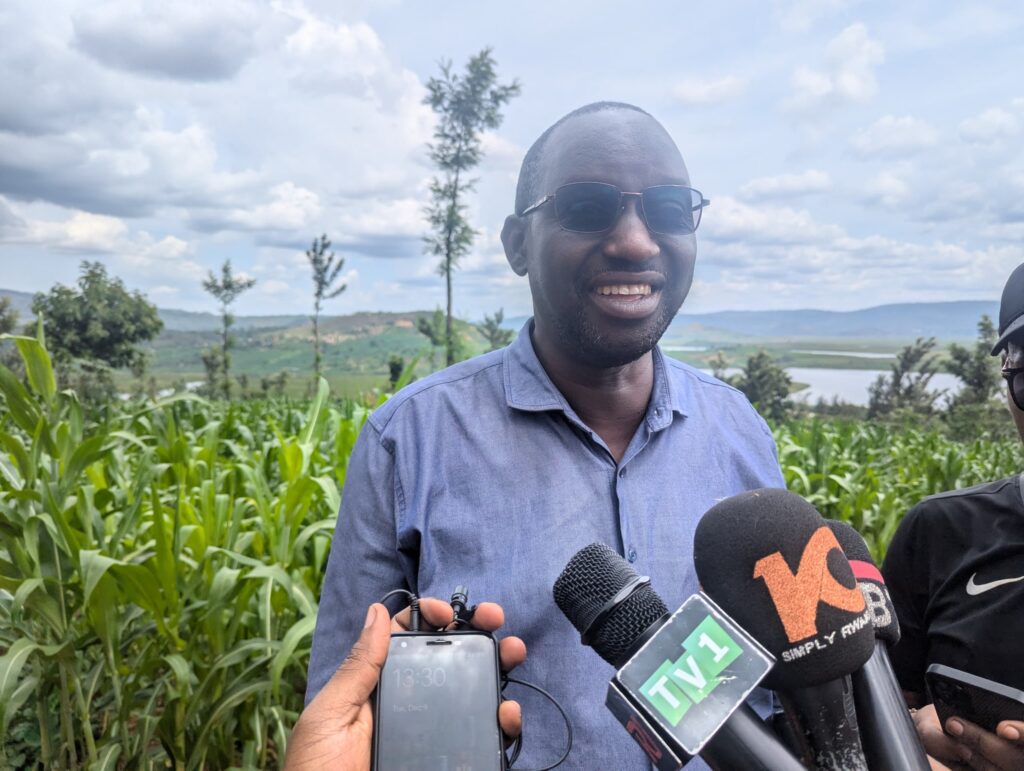
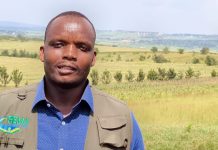
LDCF 3 Project coordinator Sindayigaya Charles emphasized the importance of community ownership and long-term sustainability:
“This project has played a critical role in building climate resilience and improving livelihoods. Residents need to preserve and maintain the infrastructure they have received to ensure sustainability after the project ends,” Sindayigaya said.

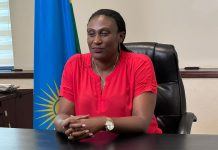
Kirehe District Mayor Rangira Bruno confirmed that agricultural production has significantly improved following the implementation of the solar-powered irrigation system. He added:
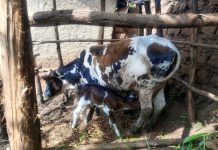
“Alongside improved crop yields, beneficiaries have received small domestic animals to support their livelihoods. Although irrigation currently covers 120 hectares, Musaza Valley stretches across nearly 10,000 hectares. Extending this initiative would multiply the benefits and support even more farmers.”
For farmers, the transformation is tangible. Resident Musabimana Violette shared her experience:
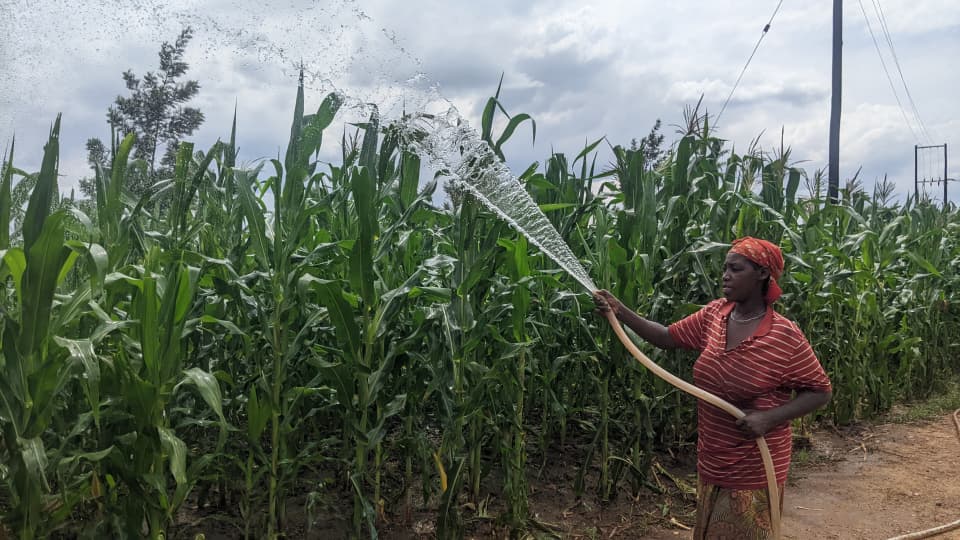
“Before this irrigation system, we used to cultivate only two seasons A and B. Now we cultivate three A, B, and C because we have solar-powered irrigation.” Musabimana Said.
She explained that the improved irrigation system has significantly increased her maize production, from just two bags per season to now five bags. With the higher yields, Musabimana has renovated her house, built a kitchen, and is able to pay school fees for her children. After receiving her own irrigation pump, she expressed confidence in maintaining her farming activities independently:
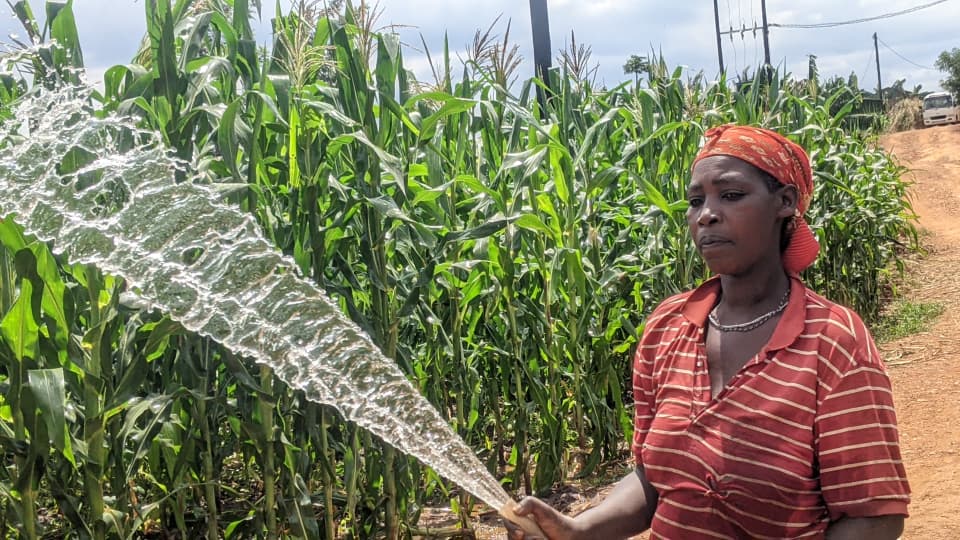
“I am confident I will continue irrigating and sustaining my agricultural activities even after the project ends.” She added.
As LDCF 3 continues in both Kirehe and Gakenke districts until 2028, its long-term impact is becoming evident. By combining solar-powered smart irrigation, environmental restoration, and livelihood support, the project has enhanced agricultural productivity while simultaneously empowering residents with the skills and infrastructure needed to sustain their activities independently. Farmers in Musaza now enjoy more reliable harvests, improved incomes, and better living conditions, demonstrating how climate-smart interventions can transform rural communities and strengthen resilience against the challenges of climate change.
Patrick Niyonkuru