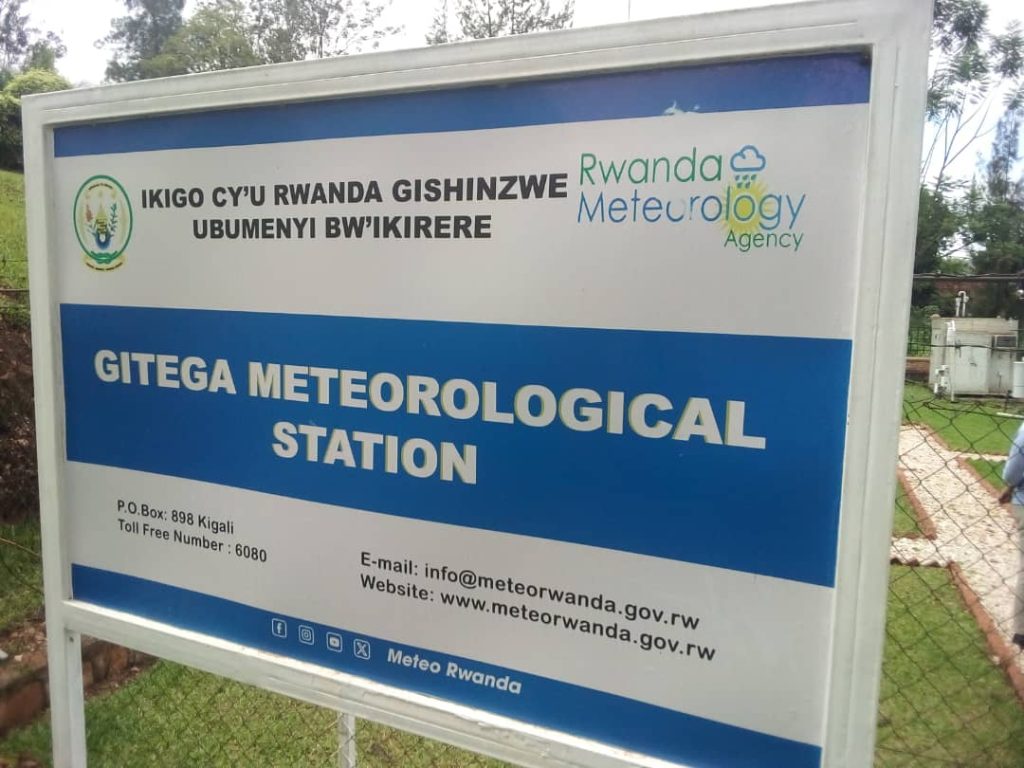





The Rwanda Meteorology Agency (Meteo Rwanda) has highlighted how technology has played a critical role in improving the accuracy and reliability of weather data collection and dissemination.
This was discussed during a meeting held on April 25, 2025, in Kigali, between Meteo Rwanda and journalists specializing in environmental reporting.
Anthony Twahirwa, the Head of Weather and Climate Services Implementation at Meteo Rwanda, explained that the expansion of observation networks and the use of satellite data have significantly enhanced the reliability of weather information.
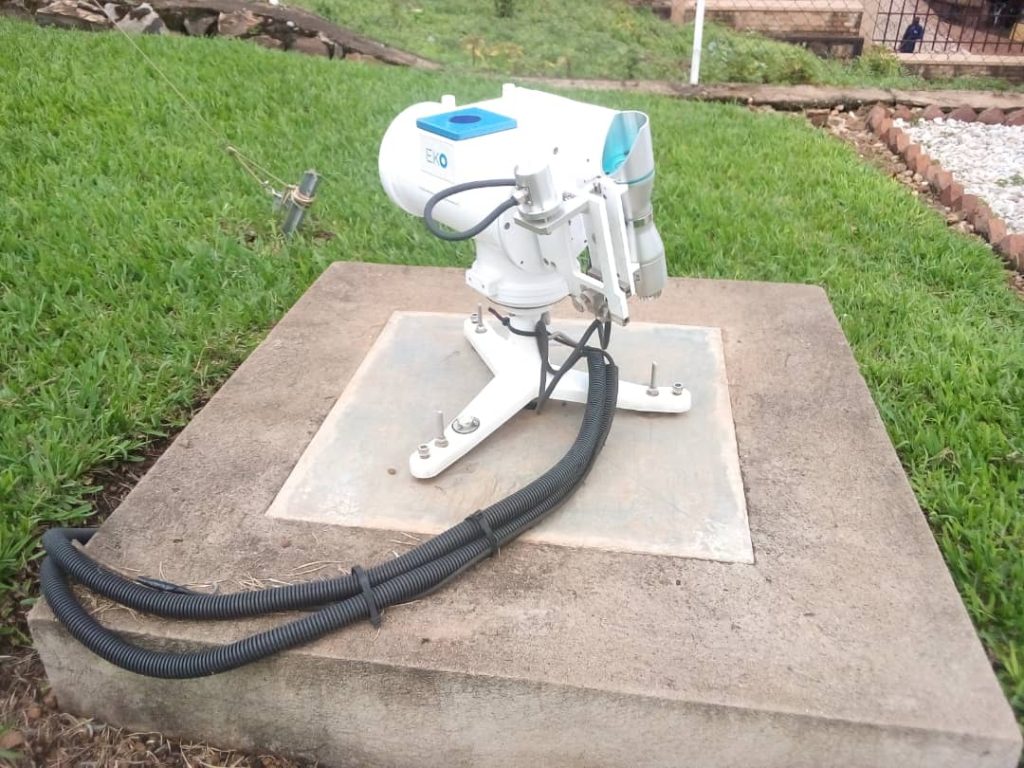
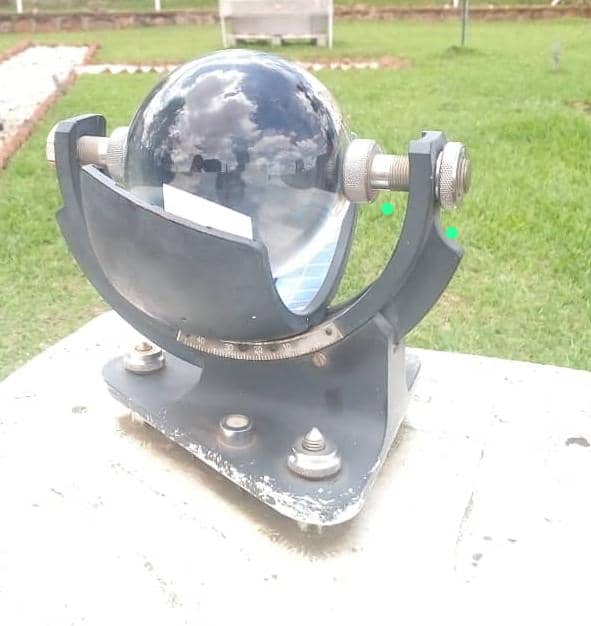
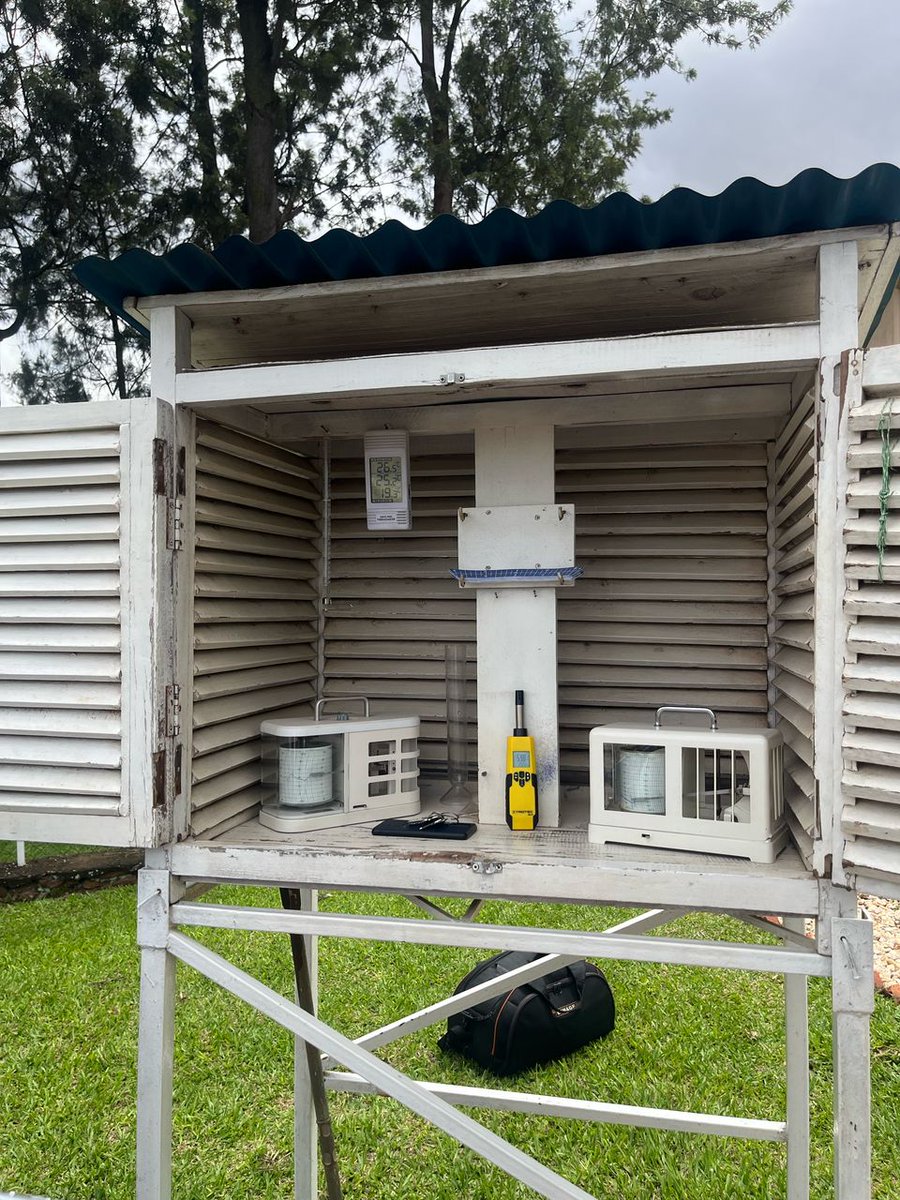
He stated, “Technology has greatly supported us — for instance, collecting satellite data would not be possible without advanced technology. We now have stations that send weather data every 6 to 15 minutes; all of that is enabled by technology. We continuously seek innovations that facilitate our daily operations.”
Twahirwa emphasized that the Meteo Rwanda main mission is to ensure the safety of people and property by providing timely weather updates to mitigate the effects of climate variability. “Meteo Rwanda’s vision is to leverage technology to monitor the weather more accurately, even at micro-levels, so we can predict and understand changes as precisely as possible,” he added.
In this regard, Meteo Rwanda plans to launch a weather balloon in September this year. The balloon will collect meteorological data up to 32 kilometers above the Earth’s surface, complementing over 300 observation stations already spread across the country.
“This weather balloon will allow us to better measure temperature, humidity, wind patterns, and other key indicators of atmospheric conditions,” Twahirwa said.
Meteo Rwanda’s data supports a wide range of sectors, including research, agriculture, livestock, urban planning, energy, aviation, and more.
Twahirwa urged citizens to make use of the free weather information provided by Meteo Rwanda, stressing that the government established the agency specifically to serve Rwandans and stakeholders operating in Rwanda.
What Causes Lightning?
Twahirwa explained that there are 10 types of clouds responsible for different weather conditions and rainfall intensities.
“Lightning originates from a specific type of cloud called cumulonimbus. These clouds are rich in moisture and are characterized by strong upward and downward air currents. Within these clouds, ice particles collide, generating electrical charges that result in lightning and thunderstorms,” he explained.
Why Does Forecasted Rain Sometimes Fail to Fall
Twahirwa acknowledged that occasionally, weather forecasts might not exactly match reality, which is why the term forecast is used.
“The first reason is wind. For example, a rain cloud could be about to bring rain, but a sudden strong wind can blow it away, even into a neighboring country like Uganda. At that point, we have no power to stop the wind or redirect the rain,” he said.
He added, “Another reason is the sudden change in temperature. Sometimes a developing rain cloud can be dispersed by a wave of warm air, causing the anticipated rain to disappear. Also, weather formation is dynamic — if we forecast rain at noon, but the necessary atmospheric conditions only develop slowly, rain could instead fall at 3 PM or even later.”
To improve forecast accuracy and usage, Meteo Rwanda has conducted public awareness campaigns and strengthened collaboration with journalists, equipping them to better communicate weather information to the public. They have also enhanced the agency’s technical capacity and increased the number of monitoring stations across the country.
Twahirwa confirmed that the impacts of climate change are increasingly evident in Rwanda and the region, citing rising temperatures, the melting of glaciers on mountains like the Virungas and Mount Kilimanjaro, and rising water levels in lakes and oceans.
He also warned that emissions from vehicles pose a major threat to the atmosphere, persisting for thousands of years and contributing to acid rain and other environmental issues.
“The consequences are clear: when rain doesn’t fall as expected, or when a whole month’s rainfall happens in just one day causing floods and disasters, these are signs climate change ,” he said.
Rwanda For You Magazine