




When you see a dragonfly (Libellule) soaring gracefully through the air, it’s impossible not to be intrigued. It is a natural insect, a powerful environmental protector, and a unique inspiration for technology. This queen of the skies has much to teach us, from its biology and behavior to its crucial role in maintaining the planet’s ecological balance.
Life and Structure
The dragonfly has a dual life cycle: first as an aquatic larva before transforming into a flying insect. During its larval stage, although still unseen, it preys on small aquatic creatures such as insects, tiny fish, and even tadpoles. Once it matures, it emerges from the water as a fully developed dragonfly, acting as a natural predator that helps control harmful insect populations.
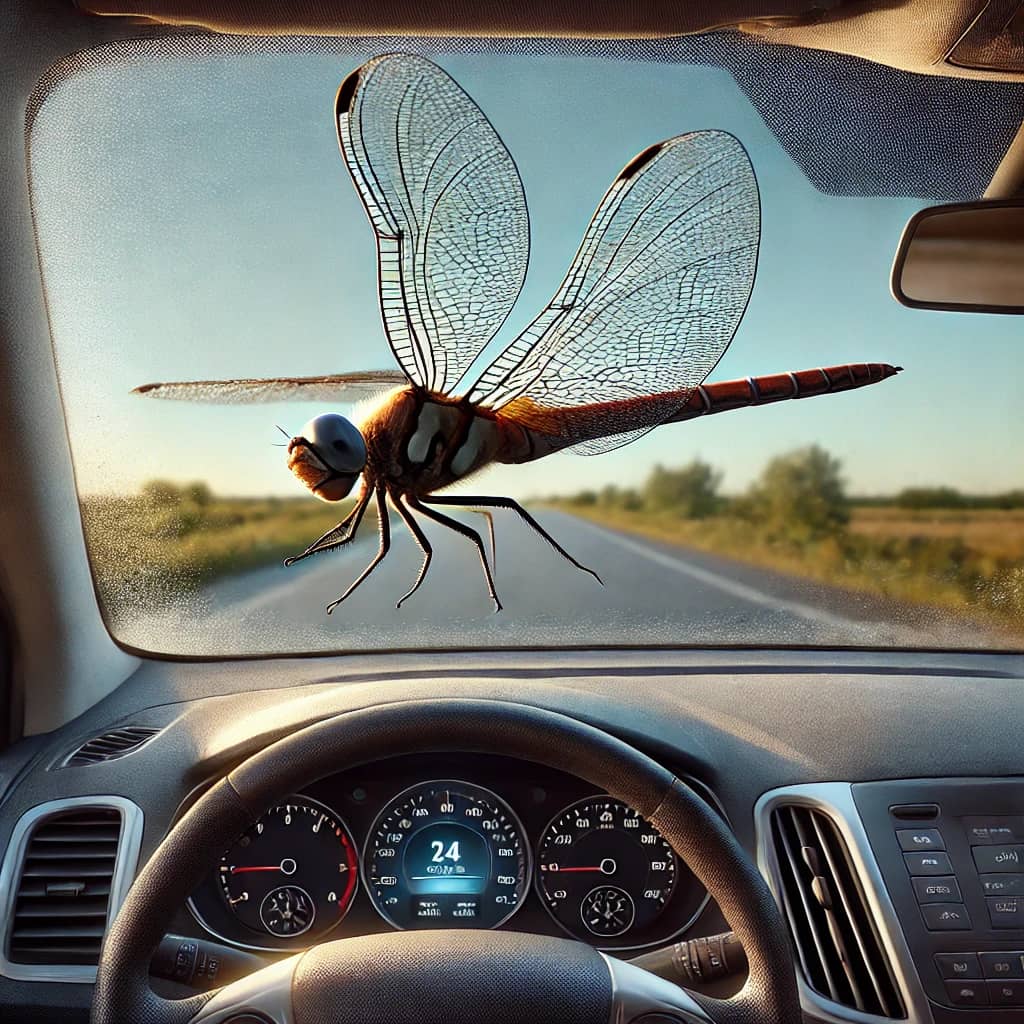
Dragonflies possess extraordinary flight capabilities. With four independently controlled wings, they can fly in all directions, reach impressive speeds, and hover effortlessly like a helicopter. Studies show that dragonflies can achieve speeds of up to 50 km/h and have remarkable aerial agility, making them one of nature’s most efficient flyers.
Dragonflies play a vital role in maintaining ecological balance
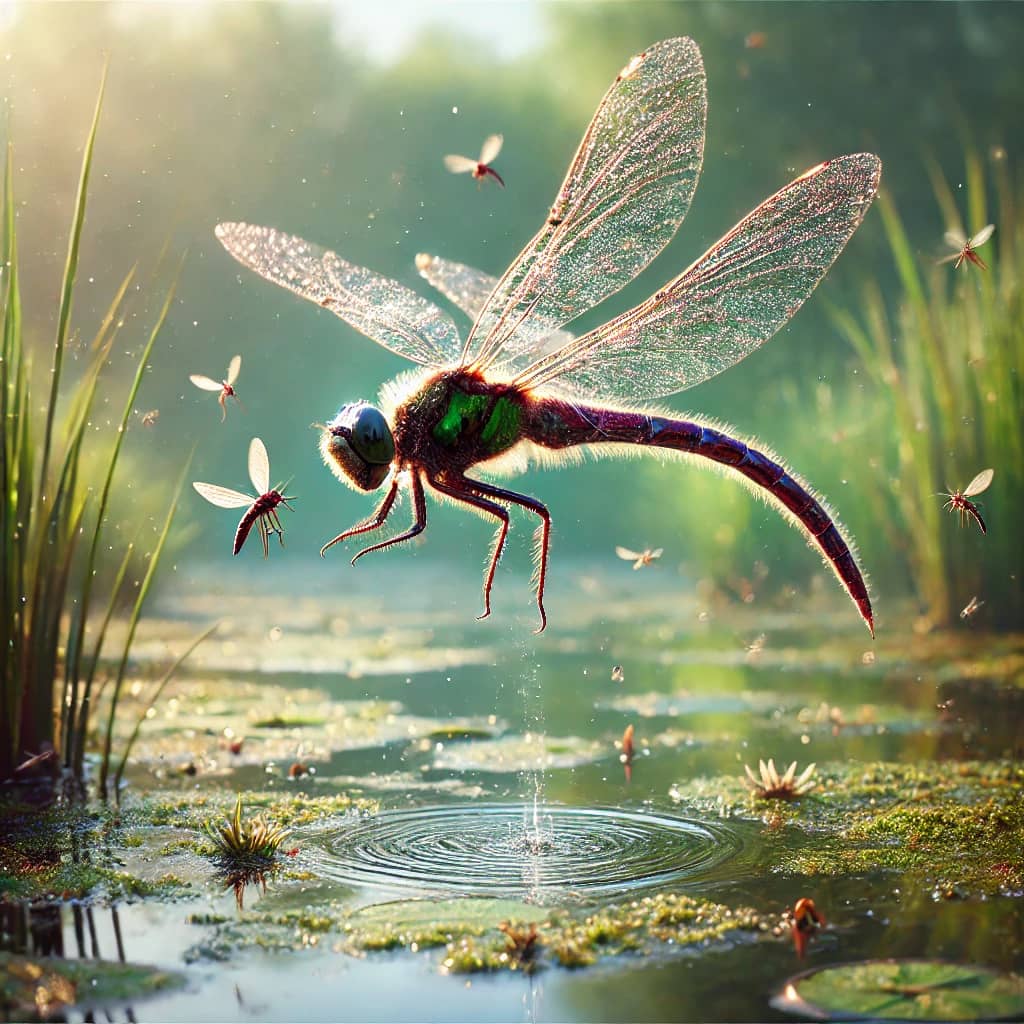
Natural Pest Control: These insects consume vast numbers of harmful bugs, such as mosquitoes, reducing the spread of diseases like malaria and dengue fever.
Indicators of Water Quality
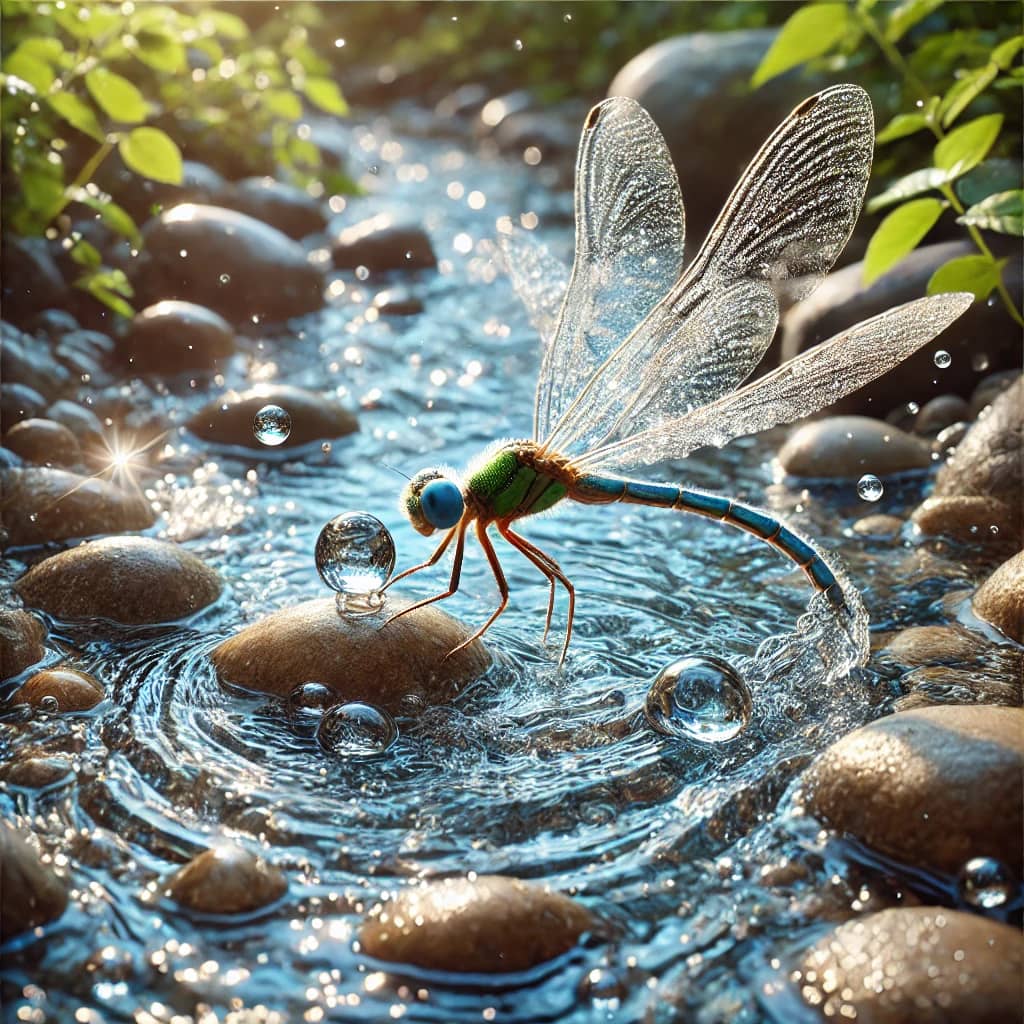
Dragonflies thrive in clean water environments. A decline in their population can signal pollution or ecological disruption.
Climate Change Monitoring, Because their populations fluctuate based on environmental conditions, dragonflies serve as bio-indicators for studying climate change and habitat health.
Dragonflies in Technology and Art
The beauty and efficiency of dragonflies have inspired various fields of study.
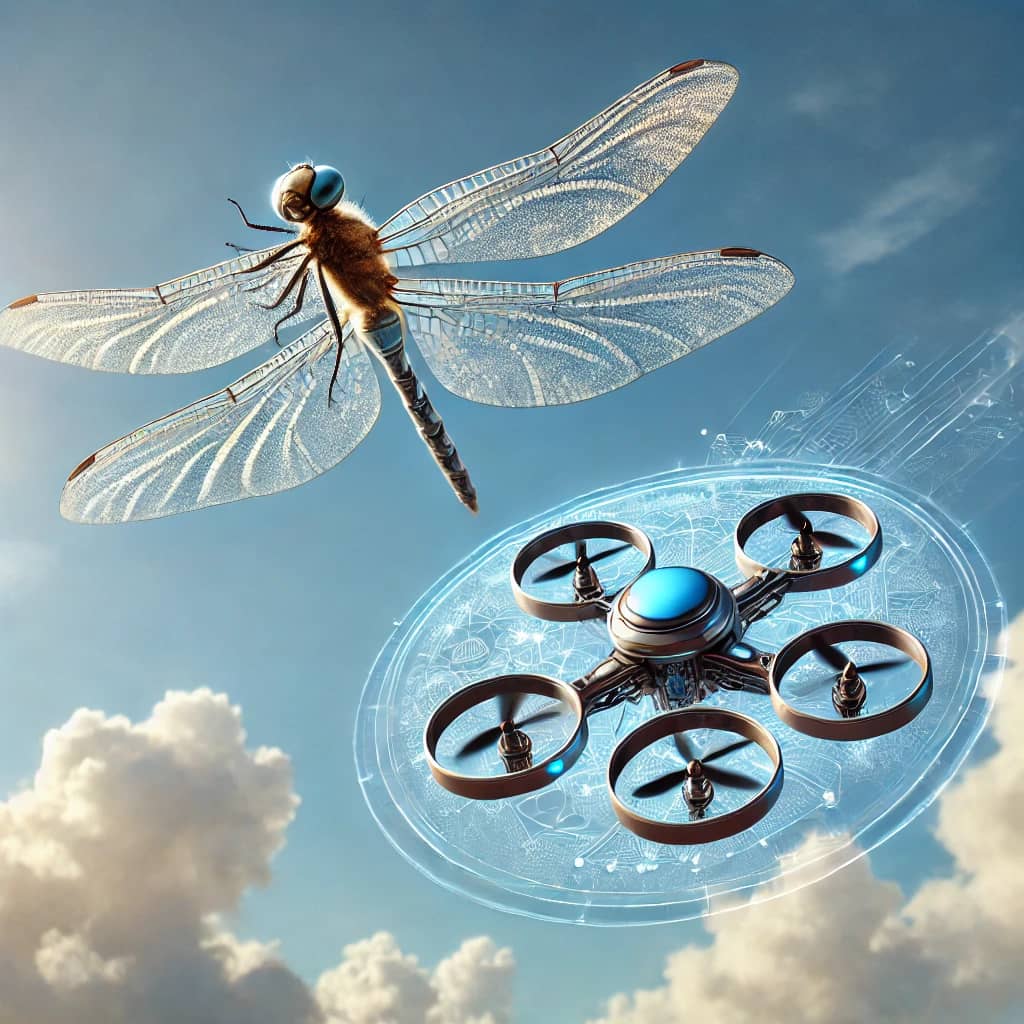
In Technology, Their flight mechanics are studied for designing drones and advanced aircraft with superior maneuverability.
Culture and Art
In Chinese and Japanese traditions, dragonflies symbolize strength and hope. They are also widely represented in poetry, painting, and sculpture due to their captivating form and movement.
They symbolize strength and optimism.
In Africa and Beyond: In some cultures, they are considered symbols of beauty and environmental balance.
In Science Fiction and Art: Their striking appearance often inspires artistic and futuristic concepts.
How to Protect Dragonflies
Dragonflies face several threats:
Habitat Destruction, Urbanization, deforestation, and pollution are reducing the wetlands, rivers, and lakes where they thrive.
Water Contamination: Pesticides and industrial waste pollute the water bodies essential for their survival.
Conserving freshwater ecosystems is crucial to ensuring dragonflies continue to thrive, as they are natural insect controllers and essential indicators of a healthy environment.
Dragonflies are more than just insects; they are biological marvels, aerial guardians, and models for scientific innovation. Protecting them means safeguarding biodiversity and contributing to a more balanced and sustainable planet.
Marie Chantal Nyirabera