
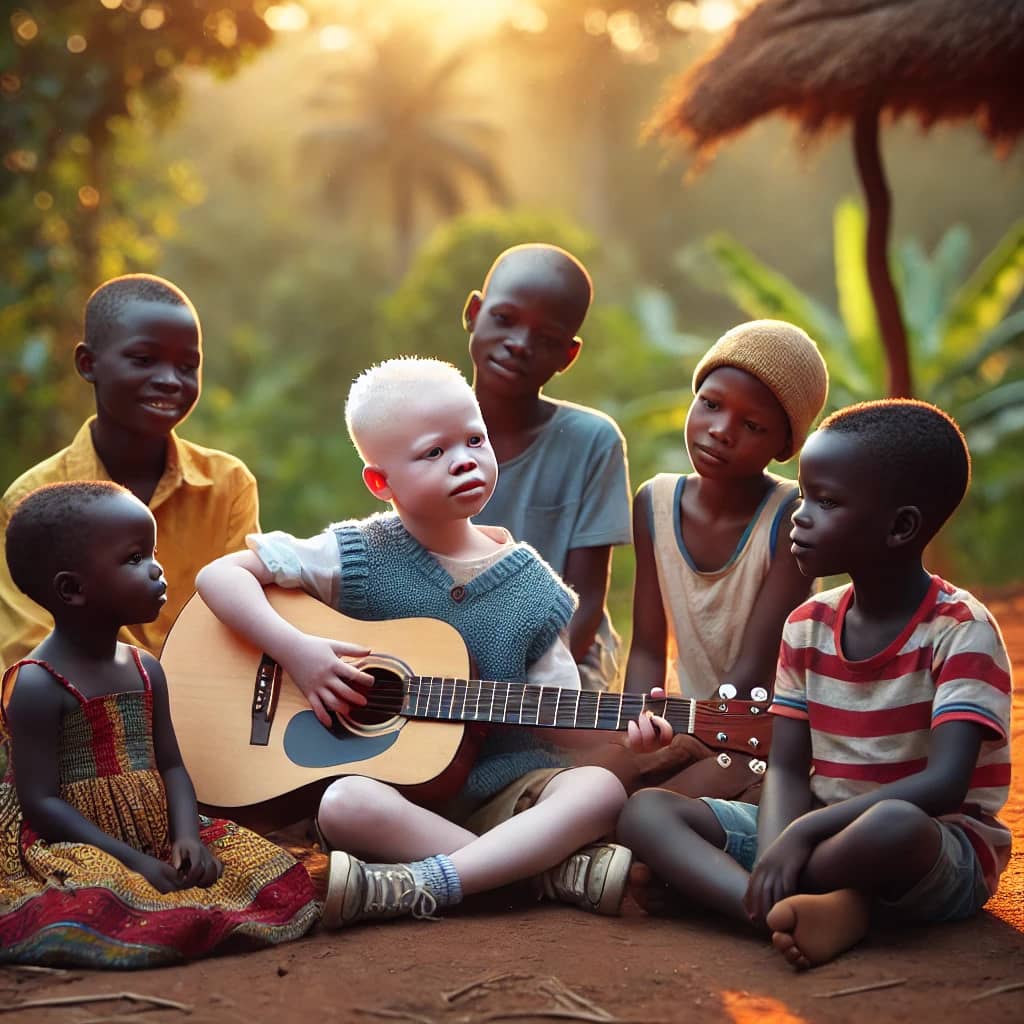
Children born with albinism require special care, good hygiene and protection from a very young age to prevent damage to their sensitive skin.
At a time when the world is facing serious effects of climate change including extreme heat, intense sunlight and changing weather patterns people with albinism are among the most vulnerable. Because of their condition, they face higher and more severe health risks than the general population.
Understanding albinism
Albinism is a genetic condition caused by the body’s inability to produce enough melanin, the pigment responsible for skin, hair and eye color. Melanin also plays a crucial role in protecting the skin from harmful ultraviolet (UV) rays.
Children with albinism lack sufficient melanin to protect their skin, making them extremely vulnerable to strong sunlight. Prolonged exposure to intense sun can lead to severe skin damage and if not properly managed may result in skin cancer.
The importance of hygiene and early protection
Children born with albinism must be given special attention and kept clean to protect their skin from infections and injuries. Poor hygiene can lead to wounds, rashes, or skin irritation. In households facing economic hardship, children may suffer insect bites from mosquitoes and other insects, which can leave permanent marks on their skin. When such marks appear at an early age, they are often difficult to treat and may persist for life.
Excessive sunlight causes the skin to dry out, crack and deteriorate quickly. It also affects the eyes, causing pain and discomfort as children with albinism are unable to adequately protect their eyes from intense light.
Climate change and its impact on people with albinism
In many African countries, where sunlight is extremely strong, children with albinism require special protection. High temperatures, intense sunlight, hot winds and dust especially during the dry season pose serious health risks. Medical experts confirm that inhaling hot air and exposure to dust can further affect their overall health.
Because people with albinism have limited vision often able to see clearly only at very close distances they also require visual support. Their eyes contain very little melanin, which makes it difficult to see distant objects. Wearing corrective glasses and magnifying devices is often necessary.
Protective clothing and Skin care
Children with albinism should wear sun protective clothing that fully covers their bodies, including long sleeves and trousers that reach the wrists and ankles. They should also wear wide-brimmed hats to protect the face, neck and scalp, and avoid direct sunlight whenever possible.
These measures are especially important when they go to school or spend time outdoors.
Inclusion and support in schools
At school, teachers should allow children with albinism to sit at the front of the classroom or provide desks close to the blackboard so they can read and follow lessons clearly. Learning materials with large print and visual aids such as magnifiers greatly improve their ability to learn.
Children with albinism should never be bullied, mocked, or given derogatory names by other students. Such behavior negatively affects their self-esteem, academic performance, and love for school.
They should be protected from discrimination and exclusion because they are just as capable and talented as other children. With proper support, they can contribute meaningfully to national development.
Peers are encouraged to be supportive, stay close to them, remind them to protect themselves from the sun, and treat them with dignity and respect.
Sun protection and medical support in Rwanda
Without proper sunscreen, children with albinism are at high risk of severe sunburn, wounds, and long-term skin damage. If these conditions are not treated early, they can become life threatening.
In Rwanda, people with albinism receive support and protection. Health centers and hospitals across the country provide specialized skin-care products at affordable prices through community-based health insurance. Sunscreen products such as Sebamed are commonly provided to help protect and moisturize the skin. Some individuals apply these creams two or three times a day, depending on their exposure to sunlight.
Parents are strongly encouraged to take good care of children with albinism from birth through adulthood, ensuring they attend school and spend time in environments with minimal sun exposure.
Challenges faced in some African countries
In many parts of Africa, children with albinism continue to face serious challenges. In some countries, including Tanzania, individuals with albinism have been subjected to violence due to harmful myths and beliefs that their body parts can be used in witchcraft or bring wealth and good fortune. Such beliefs have led to discrimination, abuse and even killings.
Children with albinism deserve protection, inclusion, and equal opportunities. They should be empowered to believe in themselves and supported by families, schools, communities and governments to live safe, dignified and fulfilling lives.
Marie Chantal Nyirabera