




Rainwater is one of the most abundant natural resources, yet before it can be safely used, it must undergo proper purification. As rain falls, it often collects dust particles carried by the wind and washes over rooftops made of metal sheets or tiles. In this process, the water may pick up rust, debris and other contaminantsmany of which are invisible to the naked eye.
Why purification is necessary
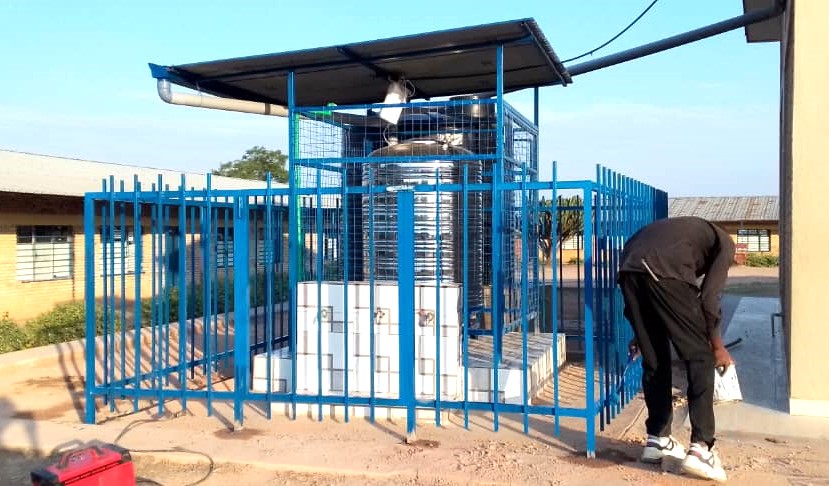
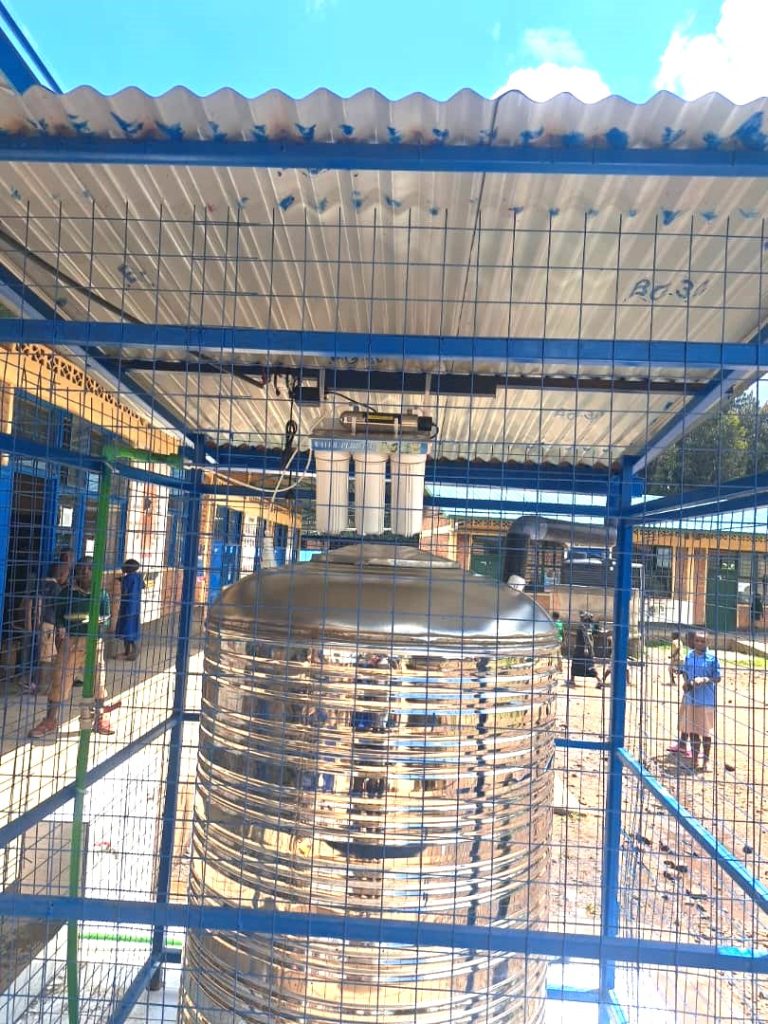
According to water specialistSevelin Niyonzima, rainwater typically contains microscopic impurities that cannot be seen but can pose health risks if consumed untreated. “We first collect rainwater in underground storage tanks designed with an initial chamber that traps debris. From there, the water is lifted into filtration systems, where impurities and microbes are removed using water filters or ultraviolet treatment,” he explains.
This process ensures that rainwater is not wasted but transformed into a safe and reliable resource. Once purified, it can be used for cleaning, washing clothes, irrigating crops, or rinsing non-kitchen utensils.
Community perspectives
Local residents emphasize both the opportunities and risks of untreated rainwater:
Jean Paul Nshimyimana, a resident of Kimisagara, points out: “Rainwater often carries dirt from the surfaces it passes over. Because of these invisible contaminants, children should not play in it and adults should ensure it is purified before use.”
Stanislas Kanyanzira, from Nyakabanda, notes: “If the runoff from tarmac roads could be collected and stored properly, it would become a valuable resource rather than wasted water. With treatment, it could support irrigation and other community needs.”
Mutoni, also from Kimisagara, stresses the importance of household storage: “Every house should have a rainwater tank so that this resource does not go to waste. With the addition of purification measures, such as chlorine, the water could serve many purposes.”
Institutional encouragement
The Rwanda Environment Management Authority (REMA) urges citizens to harvest and reuse rainwater responsibly. Their campaigns highlight how rainwater can contribute to hygiene, sanitation and sustainable household management, ensuring cleaner environments and healthier communities.
Untreated rainwater, however can cause waterborne illnesses such as intestinal parasites and other infections. For this reason, experts emphasize that drinking or cooking with rainwater requires thorough purification.
Common purification methods
Chlorination : Adding chlorine, a disinfectant that eliminates harmful microorganisms, ensuring the water is safe for consumption.
Filtration : Using specially designed filters or storage tanks with separate chambers that trap sediments and remove solid particles.
Ultraviolet (UV) Treatment:
This is a method that uses ultraviolet (UV) light to disinfect water by eliminating harmful microorganisms.
Reverse Osmosis:
This is a water treatment process that removes contaminants and unwanted substances, improving water quality and reducing unpleasant taste or odor.
Marie Chantal Nyirabera