

By Patric Niyonkuru/Internship
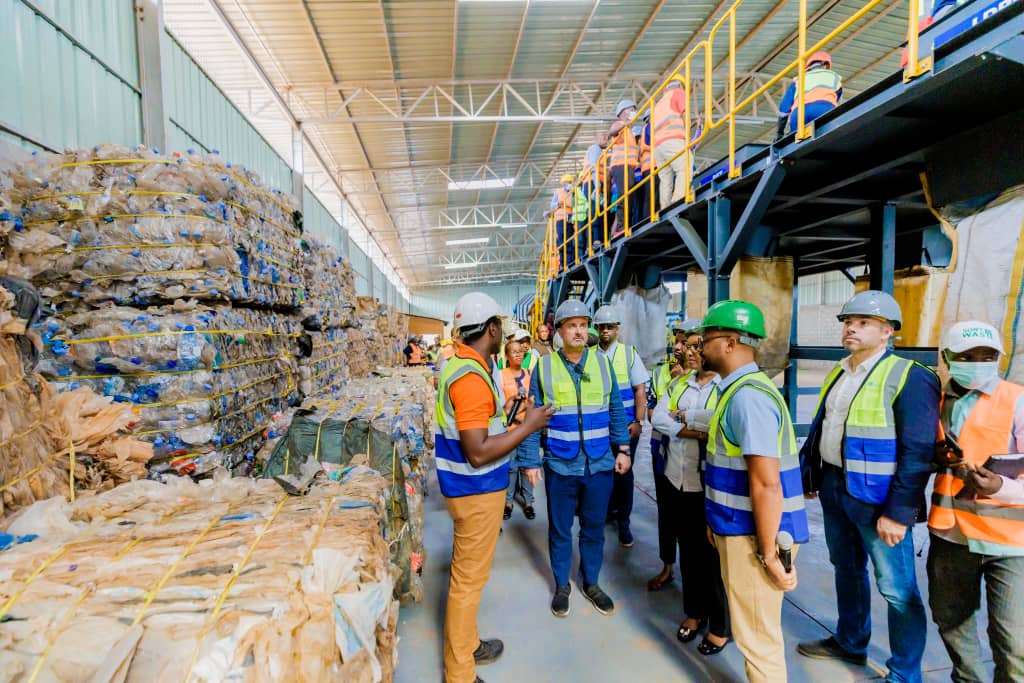
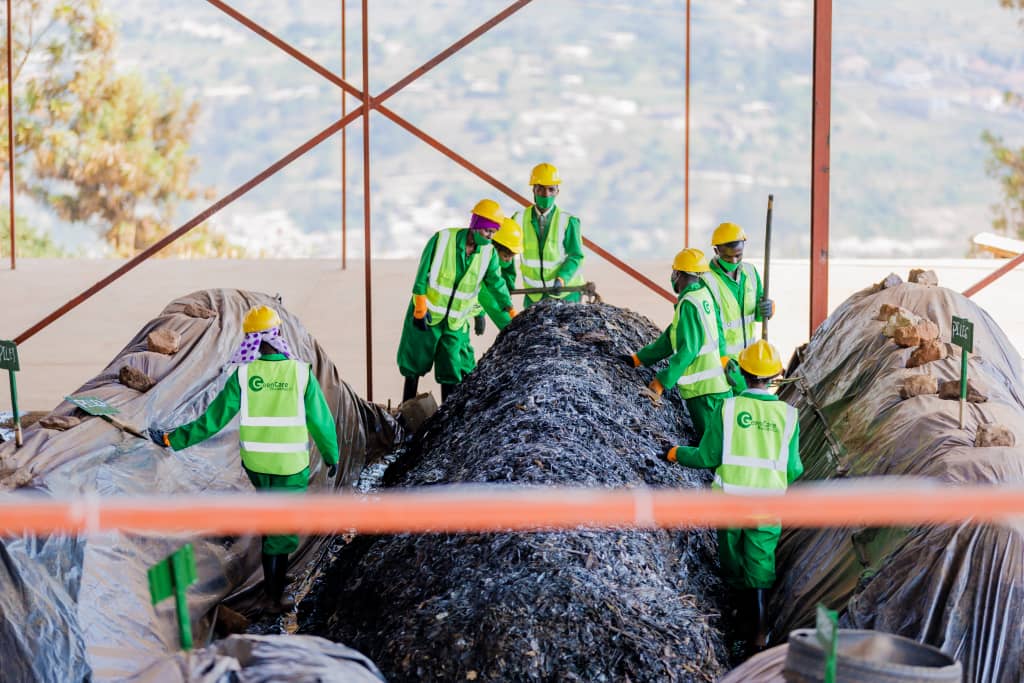
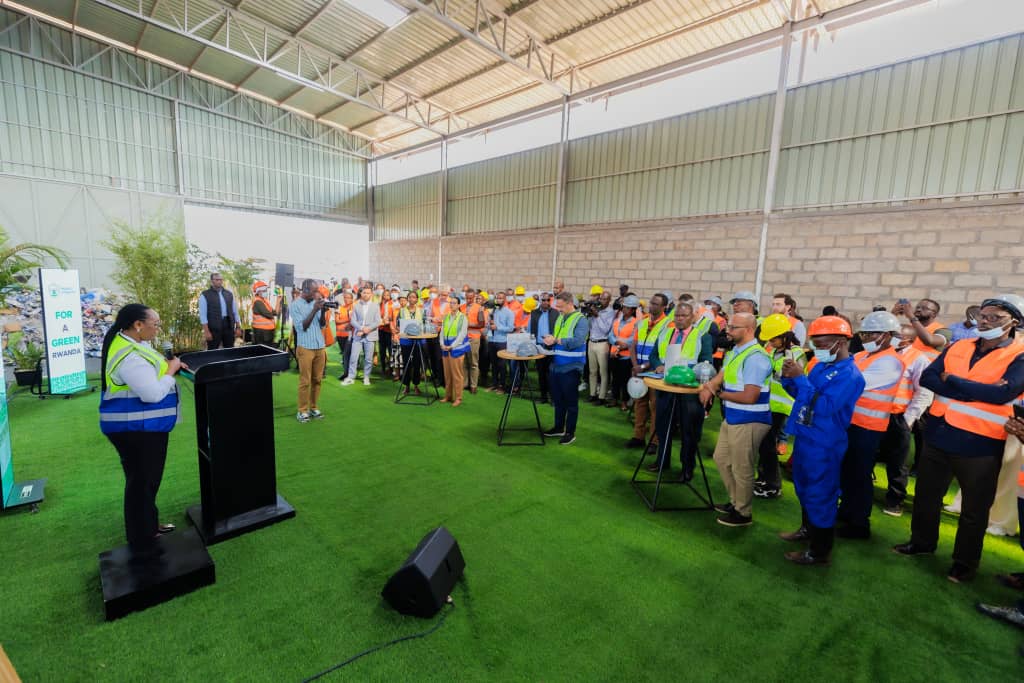
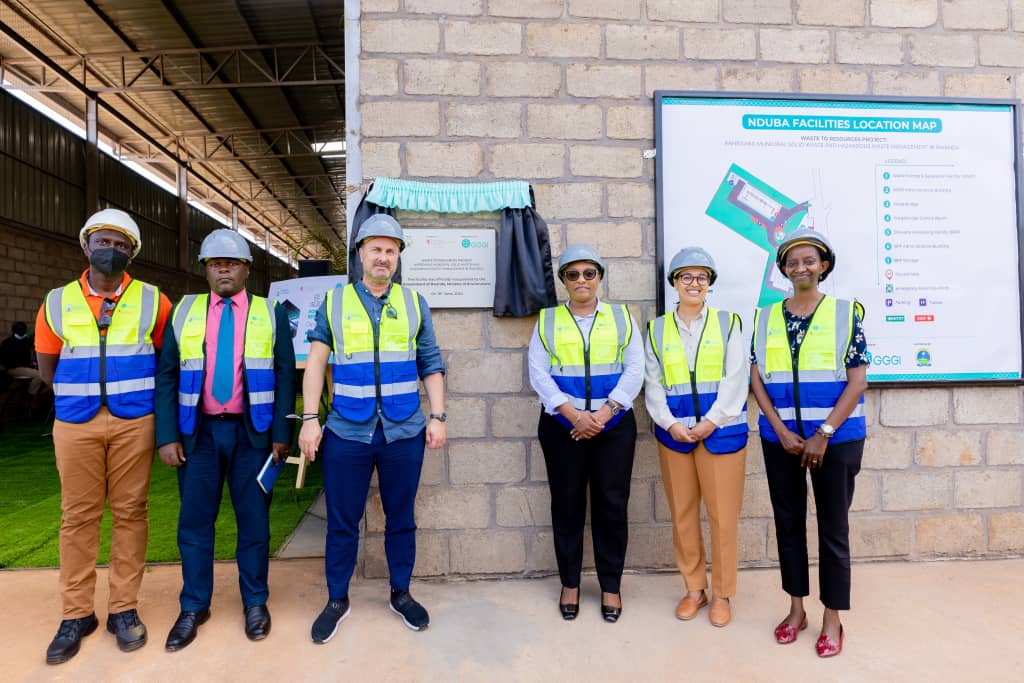
A state-of-the-art bio-waste treatment facility was re incently unveiled at Nduba dumpsite in the City of Kigali, with the goal of converting organic waste into organic fertilisers. The facility, inaugurated on June 19, has the capacity to process up to five tonnes of waste per day.
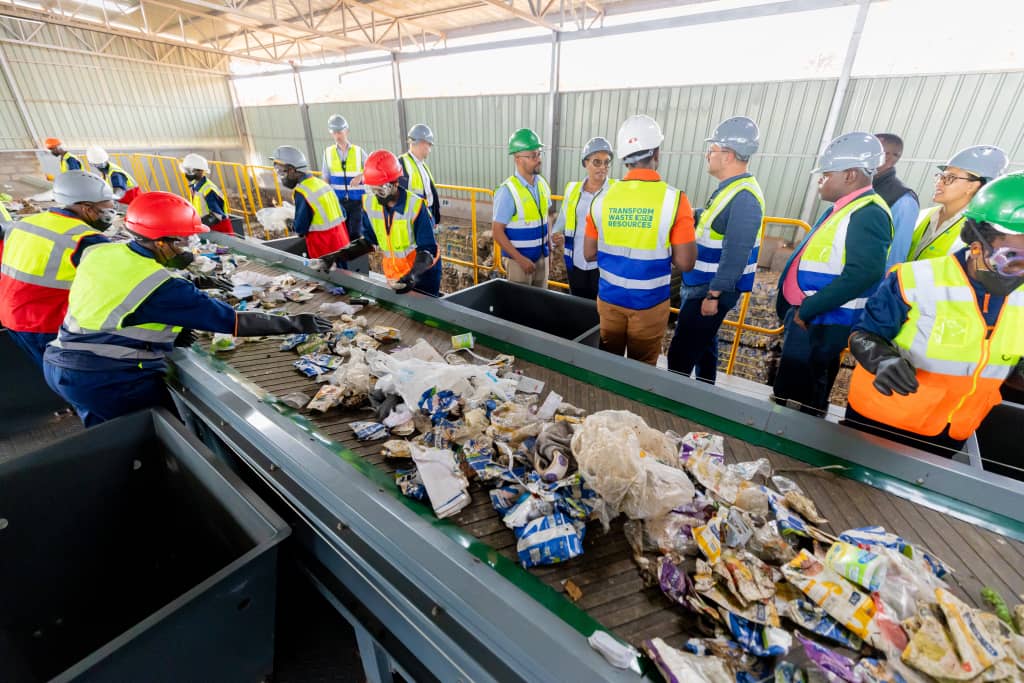
The City of Kigali has been facing a significant increase in waste generation, with estimates showing a threefold rise from 141.38 tonnes per day in 2006 to 495.76 tonnes currently. However, sorting and utilising this waste has been a challenge at the landfill.
In an effort to address this issue, the city aims to convert 70 per cent of waste into organic fertilisers, while also recycling 30 per cent of the waste, including plastic bottles and paper. The waste sorting and recycling project at Nduba dumpsite was made possible through funding from the Ministry of Environment, Climate, and Biodiversity of the Grand Duchy of Luxembourg, in collaboration with the Global Green Growth Institute.
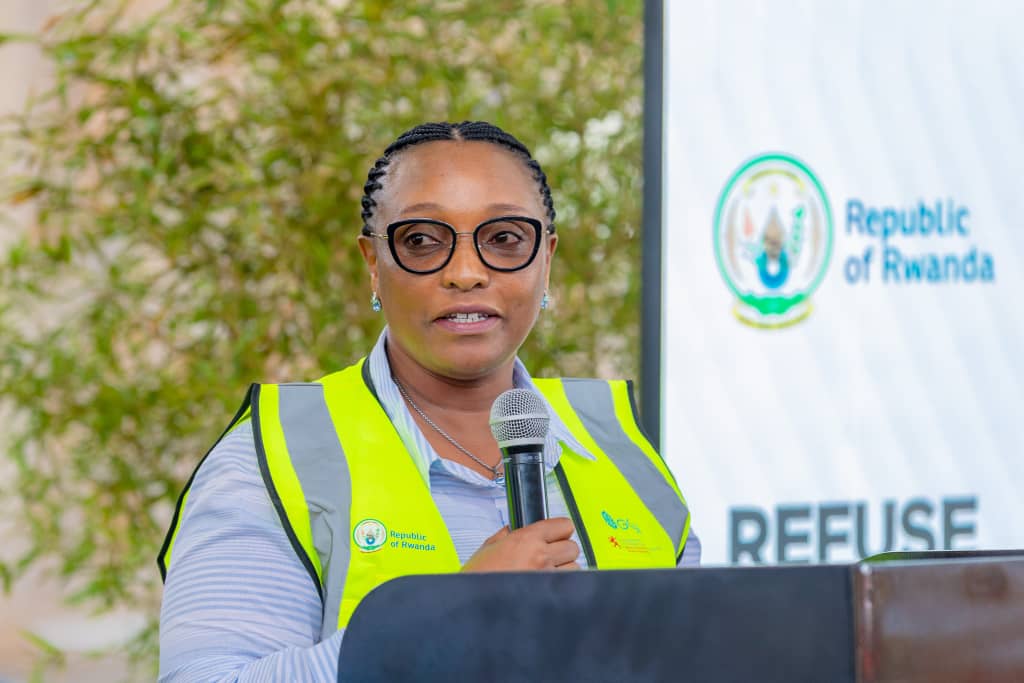
Rwanda’s Minister of Environment, Valentine Uwamariya, emphasised the importance of viewing waste as a valuable resource for valorisation rather than simply discarding it. The newly established waste valorisation facilities at Nduba dumpsite are equipped to handle up to 100 tonnes of waste per day.
Luxembourg’s Minister for Foreign Affairs and Trade, Xavier Bettel, highlighted his country’s commitment to environmental protection and sustainable development projects like the “Waste to Resources Project” in Rwanda. The project aims to reduce carbon emissions by 15,320 tonnes annually and create new green jobs.
In addition to the bio-waste treatment facility, a new landfill is set to be completed by 2026 near Nduba sector, with an estimated cost of €67 million. This initiative aligns with Rwanda’s goal of achieving carbon neutrality by 2050 and investing in sustainable waste management practices.
By promoting circularity in waste management, implementing innovative solutions like reverse vending machines and refrigerant gas reclamation systems, and enhancing policy frameworks, Rwanda is paving the way for a more sustainable and environmentally friendly future.