
Rwanda’s National Strategy on Climate Change and Low Carbon Development aspires to transform the country into a climate-resilient, low-carbon economy by 2050. To achieve this goal, Rwanda invests in social protection, improved health and disaster risk reduction.
Enabel, the Belgian development agency, together with the Rwanda Forestry Authority (RFA) and the International Union for Conservation of Nature (IUCN), contributes to these goals through the Swedish-funded project COMBIO – Reducing vulnerability to climate change through enhanced community-based biodiversity conservation in the Eastern Province of Rwanda. This 7-year project, led by the Rwanda Ministry of Environment, aims to increase biodiversity and restore degraded land.
The COMBIO project is expected to contribute to agroecological improvements in various ways. By encouraging the planting of indigenous trees, the project intends reduce agricultural carbon emissions and erosion, whilst protecting soils and their associated micro-fauna. The trees will also become natural habitats of wildlife important for ecosystems functioning. Importantly, indigenous trees do not require pesticides as they are naturally adapted to local pests. This is beneficial for the diversity among honeybees, butterflies, birds and bats that feed on its nectar. Through enhanced pollination this will also benefit crop production. Another advantage is that honey and other products from the COMBIO sanctuaries, such as essential oils, indigenous fruits, pharmaceutical and medicinal products, will be more natural and organic than the ones produced in regular farmlands.
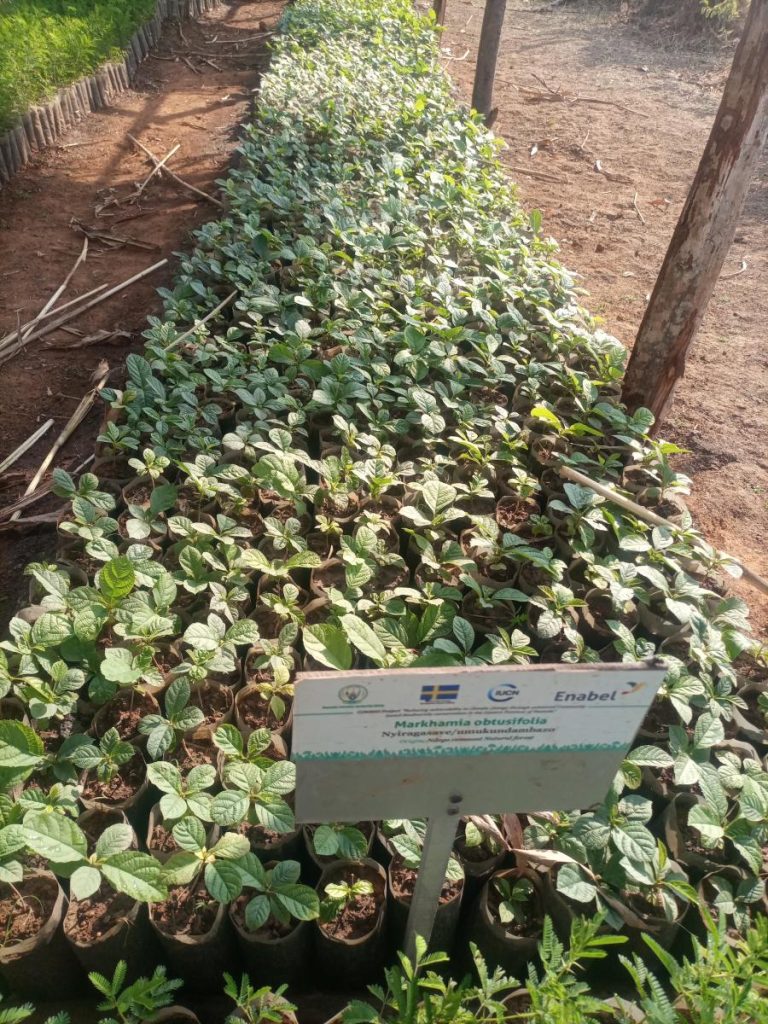
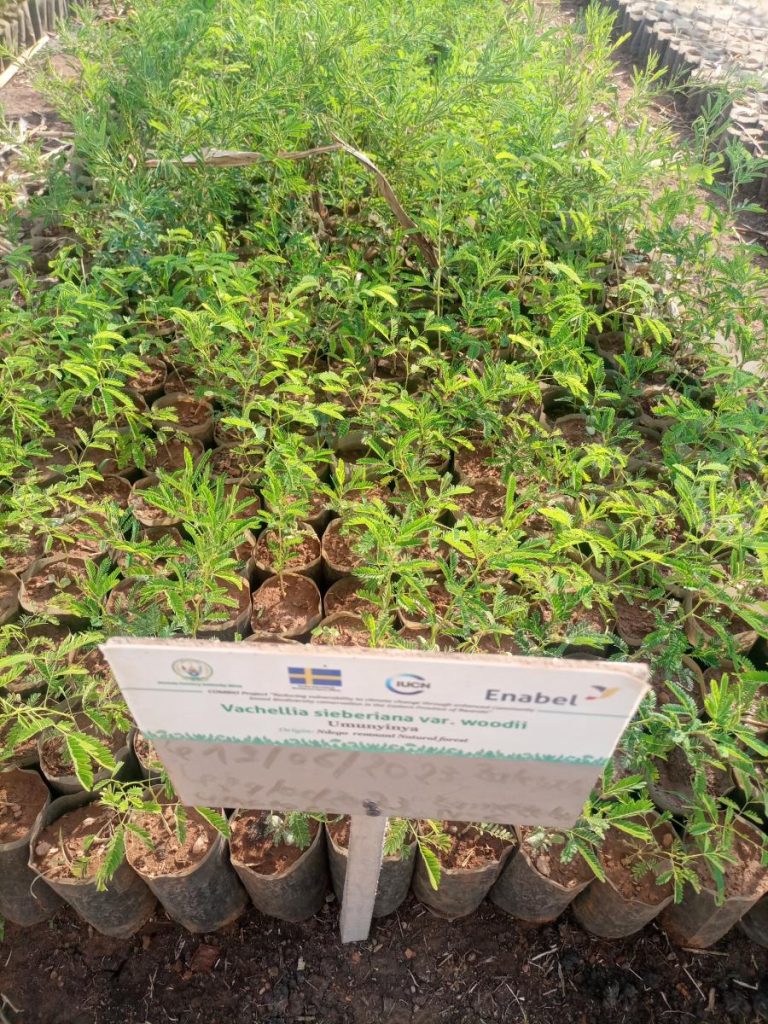
Enabel is implementing a component related to the establishment and operationalization of 21 Community Biodiversity Sanctuaries (CBS), each covering an area between 10 and 20 hectares. They are specifically dedicated to the promotion of the use of native tree and shrub species adapted to local soil and climate conditions. Seven sanctuaries have been selected for development this year. From June to August, 168,499 seedlings from 45 indigenous tree species have already been germinated in dedicated nurseries. They are now ready for the 2023 tree planting season. More are still germinating, as indigenous tree species germinate at variable pace and rate. These trees often have highly valuable medicinal, pharmaceutical and ornamental qualities.
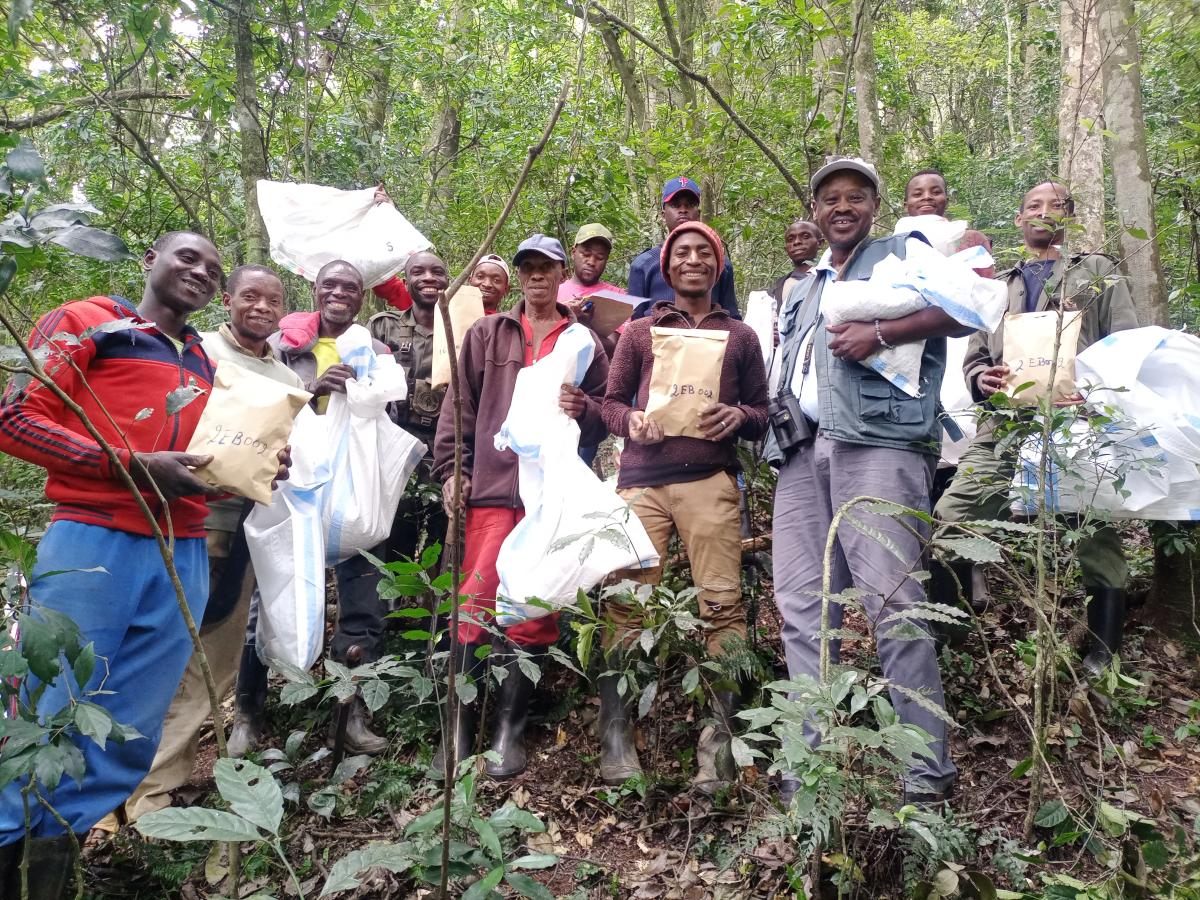
Through the seed collection and germination processes we drew important lessons for future conservation efforts. We found that trees tend to perform better when they occur isolated in the farmlands. They tend to flower and fruit earlier and better when compared with the same species inside National Parks like Akagera. This demonstrates the need to introduce indigenous trees in agricultural landscapes. At the same time, insect attacks were very high in the seeds collected from these farmlands. This is probably due to their proximity to crops and human seed stores. This is definitely an issue that asks for further study if we want to propagate and multiplicate indigenous tree seeds outside protected areas.